


Fort Wayne Fire and Burn Injury Attorneys
Serious burn injuries are some of the most painful and expensive injuries a person can sustain. The American Burn Association reports that roughly 450,000 people in the United States receive medical treatment for burn injuries every year, with about 40,000 hospitalizations and 3,400 deaths. A single severe burn case can run hundreds of thousands of dollars in acute care alone, before any of the reconstructive surgery, rehabilitation, scar revision, and psychological care that frequently continues for years. Delventhal Law Office represents people who have been seriously burned by another party's negligence — landlord neglect, defective products, vehicle fires, electrical failures, workplace explosions, and chemical exposures — in Fort Wayne, Allen County, and across Indiana.
Burn cases require both medical sophistication and a sharp eye for the cause of the fire. Insurers and defense lawyers spend significant resources trying to attribute the fire to the victim or to an unknown cause. Real causation investigation — by fire origin and cause experts, electrical engineers, and product experts — separates a case worth pursuing from a case the carrier walks away from.
Common Causes of Fire and Burn Injuries
The categories we see most often in Indiana:
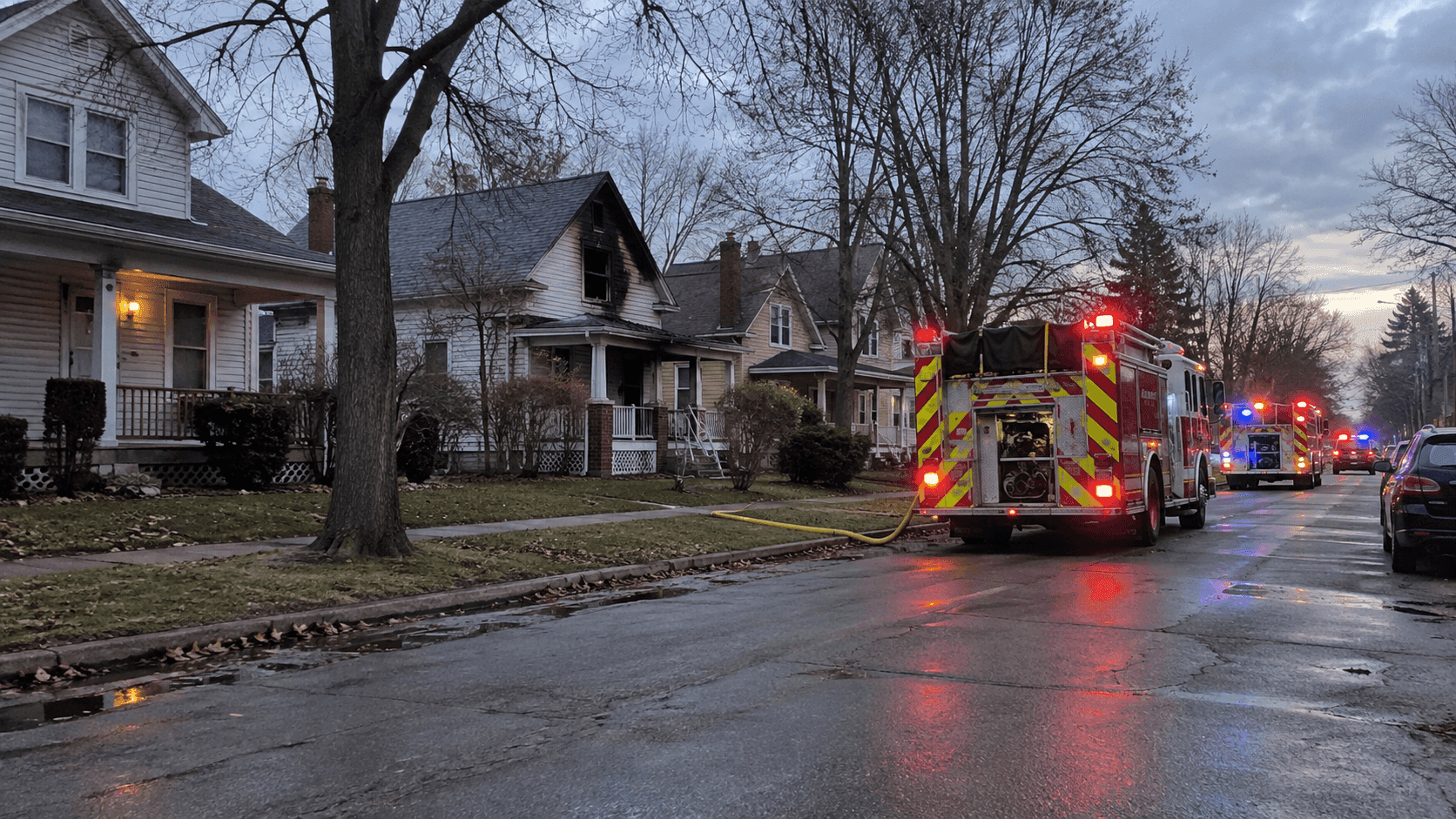
- Apartment and rental property fires caused by missing or non-functional smoke alarms, inadequate egress, faulty wiring the landlord knew about, defective space heaters supplied by the landlord, or failure to maintain heating systems. Landlords have specific premises liability and statutory duties.
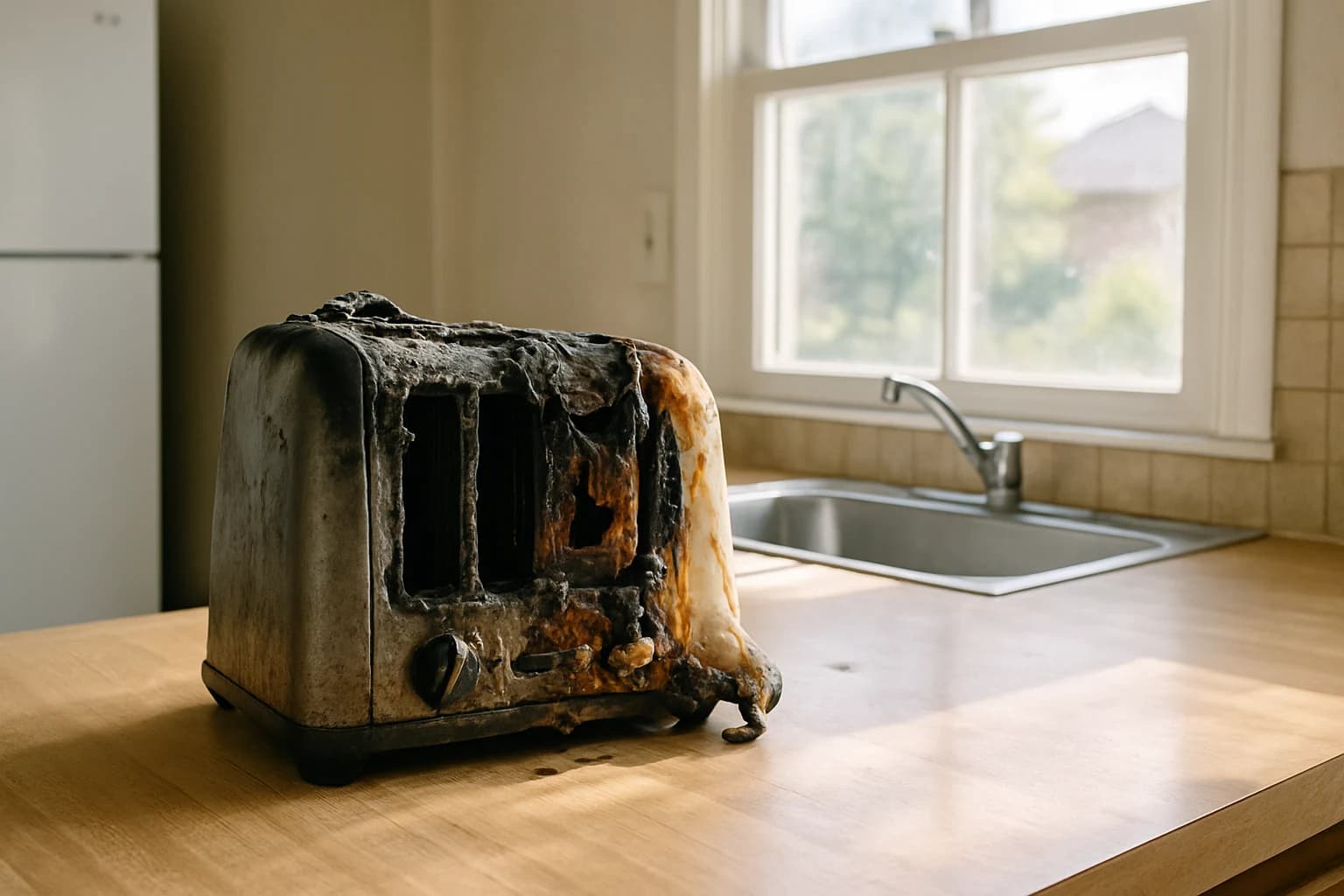
- House fires from defective products — space heaters, electric blankets, dehumidifiers, lithium-ion battery packs, appliances, and HVAC equipment. Product liability claims under the Indiana Product Liability Act (IC 34-20[1]) follow strict liability principles for design defects, manufacturing defects, and failure to warn.
- Vehicle fires following a crash — fuel system defects, post-collision fuel-fed fires, lithium-ion battery fires in electric vehicles, and exhaust-system ignitions of combustible materials.
- Truck and commercial vehicle tanker fires, particularly involving flammable cargo that ignited after a collision.
- Workplace burns — industrial fires and explosions, hot-work injuries, chemical burns, arc flash injuries. These often involve both a workers' compensation claim under IC 22-3[2] and a separate third-party civil claim against an equipment manufacturer, a contractor, or another non-employer.
- Gas explosions and structure fires involving natural gas, propane, leaking fuel lines, faulty appliances, failed shutoff valves, pilot-light issues, utility work, construction damage, or delayed odor complaints.
- Restaurant and commercial-kitchen burns — fryer fires, hot grease spills, steam burns from inadequately maintained equipment.
- Electrical burns from contact with energized equipment, defective wiring, or improperly installed electrical systems.
- Chemical burns from contact with corrosive industrial or consumer products that lacked adequate warnings.
- Scalding injuries from defectively designed or maintained water heaters, particularly in apartments, daycare facilities, and assisted living.
Legal Theories Applied to Fire Cases
A fire case usually combines several theories, often against different defendants.
Premises liability against landlords. Indiana imposes duties on landlords of residential property under IC 32-31-8[3] to put rental premises in habitable condition and to maintain common areas and structural elements. A landlord who knew or should have known of a fire hazard — missing smoke detectors, faulty wiring with a history of issues, blocked egress, inadequate fire separation — can be liable for resulting injuries. Local Fort Wayne ordinances and the Indiana Fire Code add additional duties.
Product liability under the Indiana Product Liability Act (IC 34-20[1]). Manufacturers, distributors, and sellers of defective products are strictly liable for injuries caused by design defects, manufacturing defects, or failure to warn. The limitations period is two years from the date of injury, subject to a ten-year statute of repose from the date of delivery to the initial user (with exceptions for asbestos and certain other cases). Product liability cases require retention of qualified product engineers and origin-and-cause experts.
Negligence against contractors, electricians, and installers. A contractor who installed faulty wiring, an electrician who did not follow code, an HVAC installer who connected a furnace incorrectly, a propane company that filled a tank with a known defect — each may be liable for negligent performance of work.
Negligence against utility companies. Cases involving downed power lines, gas leaks, or utility-side ignition sources have their own framework. NIPSCO, AEP/I&M, and other utilities operating in Allen County are subject to standard negligence duties and to specific statutory and regulatory requirements.
Premises liability against commercial property owners. Property owners owe invitees (customers, business visitors) a duty of reasonable care that includes fire safety, sprinkler maintenance, egress clearance, and compliance with the Indiana Fire Code.
Indiana Statutes of Limitations and Notice Deadlines
The standard two-year personal injury statute of limitations under IC 34-11-2-4[4] applies to fire and burn cases. Wrongful death claims are subject to the same two-year deadline under IC 34-23-1[5]. Product liability claims have a two-year limitations period (IC 34-20-3-1[6]) plus the ten-year statute of repose. If a government entity owns or controls the property — a public housing unit, a government building, a municipal facility — a Tort Claim Notice must be filed within 180 days for local entities and 270 days for the State under IC 34-13-3-8[7]. Modified comparative fault under IC 34-51-2[8] applies; recovery requires the victim to be 50% or less at fault.
The Medical Reality of Burn Injuries
Burn injuries are classified by depth (first, second, third, and fourth degree) and by total body surface area (TBSA) affected. Roughly:
| Burn Classification | Treatment | Typical Acute Cost | Long-Term |
|---|---|---|---|
| First degree (superficial) | Outpatient | $500 - $3,000 | Typically heals without scarring |
| Second degree, < 10% TBSA | Outpatient + possible admission | $5,000 - $50,000 | Possible scarring, hyperpigmentation |
| Second degree, 10-30% TBSA | Burn unit admission | $50,000 - $300,000 | Scarring, possible grafts |
| Third degree, < 10% TBSA | Surgical, grafts | $75,000 - $250,000 | Permanent scarring, future revisions |
| Third degree, 10-30% TBSA | Burn unit, multiple grafts | $300,000 - $1,000,000 | Permanent disability, multiple surgeries |
| Third/fourth degree, > 30% TBSA | ICU, prolonged admission | $1,000,000 - $5,000,000+ | Years of rehab, permanent disability |
| Severe inhalation injury | Often ICU + ventilator | Adds $100,000 - $500,000 | Pulmonary compromise possible |
The Indiana University Health Burn Center in Indianapolis is the regional referral center for the most severe cases. Lutheran and Parkview handle less severe burns locally. Burn rehabilitation is typically lengthy — months of acute care followed by years of scar management, pressure-garment therapy, and reconstructive surgery.
What Compensation Covers
- Past and future medical care — acute care, burn unit, surgeries, skin grafts, scar revisions, reconstructive plastic surgery, occupational and physical therapy, mental health treatment for PTSD and depression that frequently follow severe burns.
- Lost wages and lost earning capacity — burn survivors are frequently out of work for months and often face permanent restrictions related to scar contractures, temperature sensitivity, and chronic pain.
- Pain, suffering, mental anguish, and loss of enjoyment of life — burn injuries are among the most painful injuries medicine treats, and the suffering continues long after acute discharge.
- Permanent scarring and disfigurement, a separate damage category that adjusters routinely understate. Visible scarring on the face, neck, hands, and forearms carries substantial weight at trial.
- Loss of consortium for the spouse.
- Punitive damages under IC 34-51-3[9] when the conduct was malicious, willful, or grossly negligent — particularly available against landlords who ignored known fire hazards or manufacturers who suppressed safety information.
- Wrongful death damages under IC 34-23-1[5] when a fire fatality occurs.
The Investigation
Fire investigation is its own specialty. The Fort Wayne Fire Department, the Indiana State Fire Marshal, and (for cases involving deaths or significant losses) federal agencies such as ATF develop origin and cause reports. Those reports are valuable but not always conclusive — and they are not designed for civil litigation. We retain independent fire-origin and cause experts, electrical engineers, and product experts to do a litigation-grade analysis. We preserve the fire scene (or what remains of it), the suspected ignition source, electrical components, and product packaging.
In product cases, the original product or its remains must be preserved. Spoliation of the product after the manufacturer is on notice can produce a jury instruction telling the jury to assume the missing evidence would have hurt the defendant — but the better approach is to preserve and inspect, in coordination with the defense. We find what others miss by getting onto the scene quickly and by asking the questions the standard investigator did not.
Landlord Premises Liability in Apartment Fires
Apartment fires deserve their own focused attention. Indiana law requires functioning smoke detectors in residential rental units; failure to install or maintain them is a violation that contributes directly to fire deaths and serious injuries. Other landlord failures we routinely investigate:
- Blocked or locked egress.
- Inadequate fire separation between units.
- Defective or improperly maintained heating systems.
- Faulty wiring with a documented history of issues.
- Failure to repair a known electrical hazard.
- Use of unsafe space heaters supplied or required by the landlord.
- Failure to comply with the Indiana Fire Code or local Fort Wayne ordinances.
Landlords carry liability insurance precisely to cover these claims. Property management companies and ownership LLCs are often layered, and identifying the proper defendants and their insurers is part of the early case work.
Workers' Compensation and Third-Party Burn Cases
If you were burned at work, Indiana workers' compensation under IC 22-3[2] provides medical care and wage benefits regardless of fault. Workers' comp is generally your exclusive remedy against the employer. But a separate third-party civil claim is often available against a non-employer responsible for the fire or explosion — a defective equipment manufacturer, a contractor, the property owner if you were working on premises owned by another party, or a chemical supplier. These third-party cases provide the full range of civil damages (pain and suffering, loss of consortium, full lost earnings) that workers' comp does not. We coordinate the two cases together.
Frequently Asked Questions
How long do I have to file a fire or burn injury claim in Indiana?
Two years from the date of injury under IC 34-11-2-4[4]. Wrongful death claims (IC 34-23-1[5]) carry the same two-year deadline. Product liability claims have a two-year limitations period and a ten-year statute of repose under IC 34-20-3[10]. If a government entity is implicated, a Tort Claim Notice must be filed within 180 days for local entities and 270 days for the State under IC 34-13-3-8[7]. Cases involving long-term occupational chemical exposures may have a separate discovery rule. Talk to a lawyer early.
The fire department report says the cause is "undetermined." Do I still have a case?
Possibly yes. Fire department origin-and-cause investigations are not designed for civil litigation. Independent fire-origin experts and electrical engineers frequently identify causes that the public investigation did not pursue. Many product-defect and electrical-fault fires are ruled "undetermined" or "electrical" without further analysis because the public investigation does not have the resources to do component-level evaluation. A civil investigation can dig further.
My apartment did not have working smoke detectors. Is the landlord liable?
Often yes. Indiana law and local Fort Wayne ordinances require functioning smoke detectors in residential rental units, and failure to install or maintain them is strong evidence of negligence in a fire case. Landlord liability depends on what the landlord knew or should have known about the hazard, the lease provisions, who was responsible for maintenance, and the cause of the fire. We routinely pull lease documents, maintenance records, prior tenant complaints, and inspection reports to build these cases.
I was burned at work. Is workers' comp my only recovery?
Not necessarily. Indiana workers' compensation provides medical and wage benefits regardless of fault, and it is generally your exclusive remedy against the employer. But a separate third-party civil case is often available against a non-employer who contributed to the fire or explosion — a defective equipment manufacturer, an outside contractor, a chemical supplier, or the owner of the premises if you were working on someone else's property. Third-party civil cases provide full damages, including pain and suffering, that workers' comp does not.
What if I was partly at fault for the fire?
Indiana's modified comparative fault rule (IC 34-51-2[8]) applies. If you were 50% or less at fault, you recover with damages reduced proportionally. If you were 51% or more at fault, you recover nothing. Defense lawyers routinely try to push fault onto the victim — "you left the heater too close to the bedding," "you should have noticed the wiring issue" — and proper investigation often eliminates or substantially reduces that allocation.
How much is a burn injury case worth?
It depends on the severity of the burn (depth and TBSA), the medical treatment required, future surgical needs (scar revisions and reconstruction), permanent scarring, lost wages and lost earning capacity, psychological impact, and available insurance. Minor burns settle in the low five figures. Burns requiring hospitalization and grafting reach six and seven figures. Severe burns with permanent disability frequently reach the policy limits — and in product cases against major manufacturers, the available coverage may be substantial.
What does it cost to hire Delventhal Law Office for a fire or burn case?
Nothing up front. We handle fire and burn injury cases on a contingency fee — our fee is a percentage of the recovery, payable only if we win. The firm advances all case expenses, including fire-origin experts, electrical engineers, product experts, accident reconstructionists, and life-care planners. If we do not recover, you owe nothing for those costs. The initial consultation is free. Call us or use the free consultation form. See our other practice areas for related work.
The Indiana law that applies to your fire and burn injury case
Indiana's two-year personal-injury statute under IC 34-11-2-4[4] governs almost every Fort Wayne fire and burn-injury claim. Premises-liability cases against landlords and property owners run alongside product-liability claims under IC 34-20[1] when a defective heater, appliance, or industrial component started the fire. When a governmental defendant is involved, the Indiana Tort Claims Act notice requirements under IC 34-13-3-8[7] and IC 34-13-3-10[11] impose deadlines as short as 180 days. The applicable code framework is published by the National Fire Protection Association[12].

How insurance carriers fight Fort Wayne fire and burn injury claims
Fire-defendant insurers in Allen County operate from a narrow playbook. The first move is the cause-and-origin fight — the carrier retains a fire investigator to dispute the point of origin and the proximate cause documented by the local fire marshal's office. The second is the code-compliance argument, where the defendant points to the fact that NFPA[12] standards are voluntary unless incorporated into a binding Indiana code or local ordinance. The third is the comparative-fault attack on the burn victim's evacuation behavior, smoke-alarm maintenance, or workplace conduct. The fourth is the product-liability misuse defense when the case involves a heater, electrical component, or industrial machine. We build the file around the fire-marshal report, retained origin-and-cause expert review, and the maintenance and inspection record for the building or equipment involved.
Gas explosion, fire, and explosion injury claims
Gas explosion and fire cases deserve specific attention before building a separate explosion page because the liability proof can disappear quickly. A natural-gas or propane explosion may involve a landlord, property owner, utility company, excavation contractor, appliance manufacturer, HVAC contractor, restaurant operator, employer, or maintenance company. The early question is not just where the fire started, but why flammable gas or vapor was present, who should have detected it, and who had the ability to shut it off or warn people before ignition.
We investigate gas leaks, failed fittings, damaged gas lines, defective appliances, missing or disabled safety devices, improper installation, failed inspections, code violations, odorant complaints, delayed emergency response, and prior maintenance requests. Explosion cases also require review of blast patterns, burn patterns, debris fields, witness reports of gas smell, utility records, 911 audio, fire department findings, and any surveillance footage showing the moments before ignition.
For injured people, these cases often involve catastrophic burns, inhalation injuries, crush injuries, hearing loss, traumatic brain injury, scarring, skin grafting, infection risk, and long-term reconstructive care. For families, a fatal explosion may also create a wrongful-death claim. The sooner the scene, appliance, fuel source, and maintenance records are preserved, the better the chance of proving what went wrong.
Evidence we preserve in the first 48 hours
Burn cases depend on the cause-and-origin investigation, the medical record across acute and reconstructive phases, and the building or product history.
- The fire-marshal report, photographs from the scene, and any state or local fire-investigator findings on cause and origin captured before debris is removed
- Building maintenance records, electrical and HVAC inspection history, smoke-alarm and sprinkler-system service logs for the prior five years
- Product identification, model and serial data, recall history, and manufacturer service bulletins for any heater, appliance, or component implicated in ignition
- Complete burn-center records including total body surface area calculations, depth-of-burn documentation, escharotomy and skin-graft procedures, and infection management
- Photographs of acute and healed burn injuries, scar maturation imaging, and the long-term reconstructive surgery and rehabilitation timeline

Damages categories in an Indiana fire and burn injury case
Burn-injury damages routinely run into seven figures because the long-tail medical and reconstructive cost dominates the present-value calculation. Recovery covers acute burn-center hospitalization, skin-graft and reconstructive surgery across years, scar revision, compression-garment therapy, occupational and physical therapy, and behavioral-health treatment for post-traumatic stress and disfigurement-related conditions. Lost earning capacity captures the documented gap between pre-injury and post-injury work performance, while non-economic damages cover pain and suffering and loss of consortium. CDC published outcome data[13] grounds the long-term-impact testimony at trial.

What our fire and burn injury clients ask most
Who can be held liable for a fire or burn injury in Indiana?
Liability depends on the cause and the property type. Residential fires implicate landlords, property managers, electricians, and appliance manufacturers. Industrial fires implicate equipment manufacturers, maintenance contractors, and property owners. Restaurant and commercial fires implicate property owners, tenants, and equipment vendors. Each defendant carries its own duty of care framed by NFPA codes and the applicable Indiana building code.
Do I have a case if the building owner says the fire was an accident?
Fires are almost never legally accidental in the sense the property owner means. Cause-and-origin investigation routinely identifies a faulty appliance, neglected electrical wiring, missing smoke alarms, blocked egress, or inadequate sprinkler maintenance. Each of those failures supports a premises-liability case independent of any criminal-arson or insurance-coverage analysis the owner cites.
What if a defective space heater or appliance caused the fire?
Product-liability claims under Indiana's Product Liability Act at IC 34-20[1] run alongside the premises case when the cause-and-origin investigation identifies a defective product as the ignition source. Manufacturer recall data, prior-incident history, and the unit's service bulletins are core discovery. Indiana also imposes a 10-year statute of repose on most product-liability claims.
How is the value of a burn-injury case calculated in Indiana?
Value reflects total body surface area burned, depth of burn, the number and complexity of reconstructive surgeries, scar location and visibility, the impact on work, and the mental-health impact of disfigurement. Documented severe burns with extensive grafting and permanent scarring routinely settle in the high six- to seven-figure range when solvent defendants and adequate coverage are present.
How long do I have to file a fire or burn-injury lawsuit in Indiana?
Two years from the date of injury under IC 34-11-2-4[4] in most cases. Governmental defendants trigger Indiana Tort Claims Act notice requirements as short as 180 days under IC 34-13-3-8[7]. Product-liability claims face the additional 10-year statute of repose under Indiana's Product Liability Act. Earlier action preserves the scene and the physical evidence.

What happens after you hire us
Our first move is a litigation-hold letter to the property owner, the equipment manufacturer where applicable, and any maintenance contractor, followed by a public-records request to the local fire marshal for the cause-and-origin file. We engage a retained fire investigator to walk the scene before debris is removed. Burn-center records are placed under hospital litigation hold. Suit is filed in Allen Superior Court or wherever venue is proper. Representation is on a contingency-fee basis.
Sources
- IC 34-20 (iga.in.gov) ↩
- IC 22-3 (iga.in.gov) ↩
- IC 32-31-8 (iga.in.gov) ↩
- IC 34-11-2-4 (iga.in.gov) ↩
- IC 34-23-1 (iga.in.gov) ↩
- IC 34-20-3-1 (iga.in.gov) ↩
- IC 34-13-3-8 (iga.in.gov) ↩
- IC 34-51-2 (iga.in.gov) ↩
- IC 34-51-3 (iga.in.gov) ↩
- IC 34-20-3 (iga.in.gov) ↩
- IC 34-13-3-10 (iga.in.gov) ↩
- National Fire Protection Association (nfpa.org) ↩
- CDC published outcome data (cdc.gov) ↩