

DELVENTHAL LAW
INJURED FROM AN AUTOMOBILE MALFUNCTION?
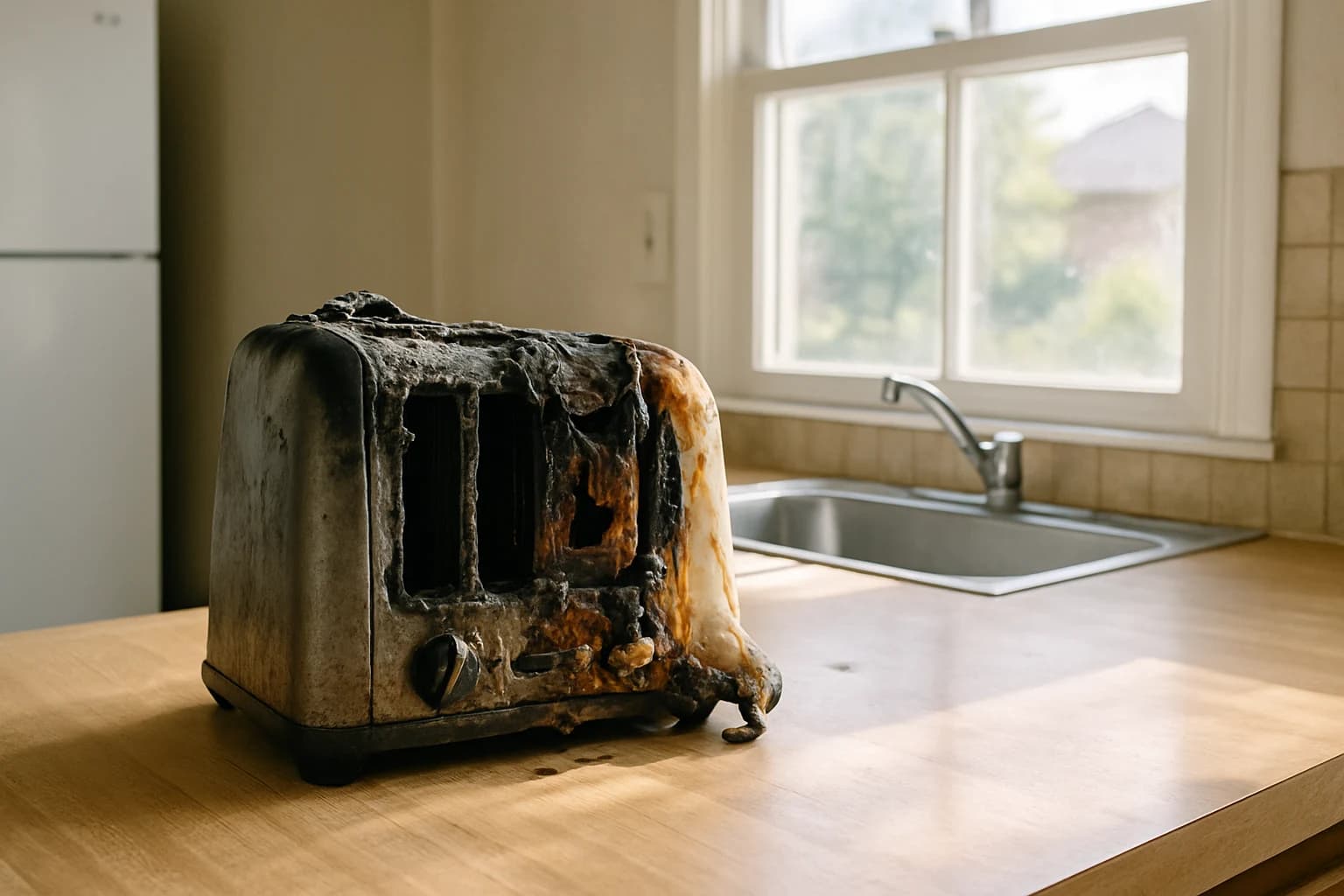
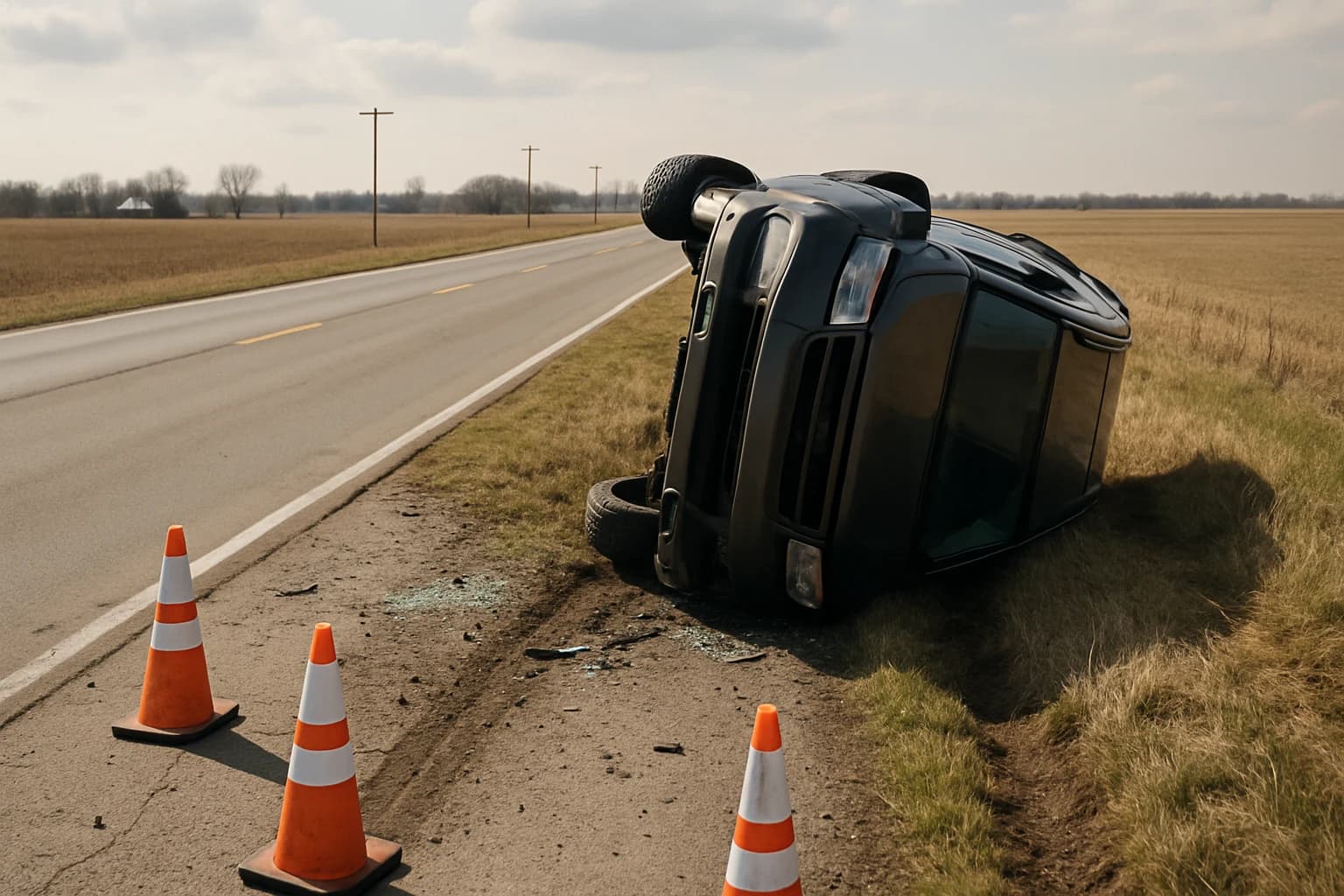
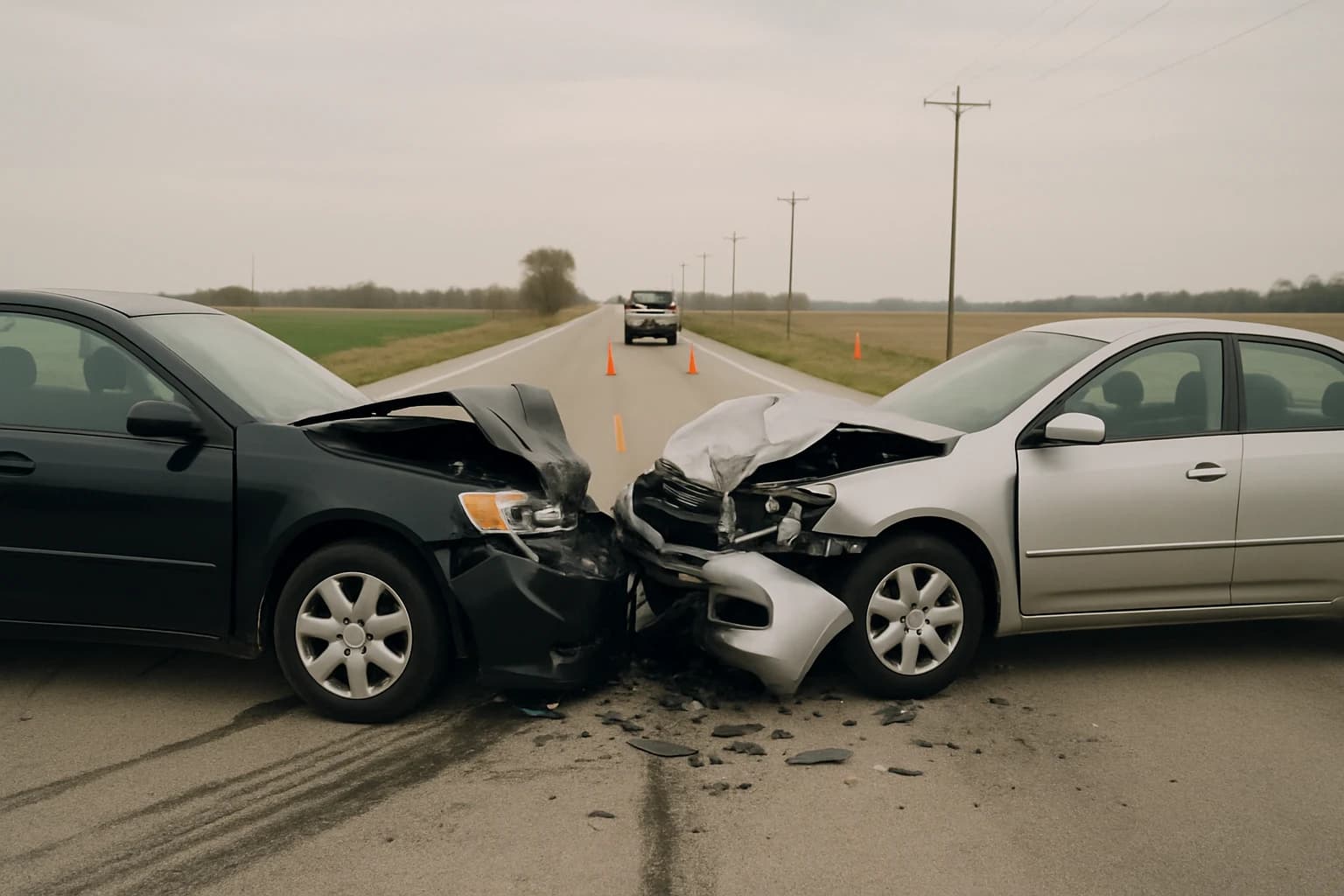
Each year, thousands of people are injured by defective automobiles. The federal government keeps a list of the latest auto recalls, but many people are injured before a manufacturer realizes there is a problem with its product.
If you have been injured by a defective automobile, you might be able to sue the manufacturer for compensation. Indiana’s Product Liability Act[1] lets users and consumers bring lawsuits for any physical harm they have suffered, and many of our clients have relied on the law to obtain money for their injuries.
DEFECTIVE AUTOMOBILE INJURIES

Defective automobiles can be extremely dangerous. While the list of potential and historical auto defects is long, some of the most common defects include:
- Defective steering components;
- Faulty ignition devices;
- Defective airbags;
- Defective tires;
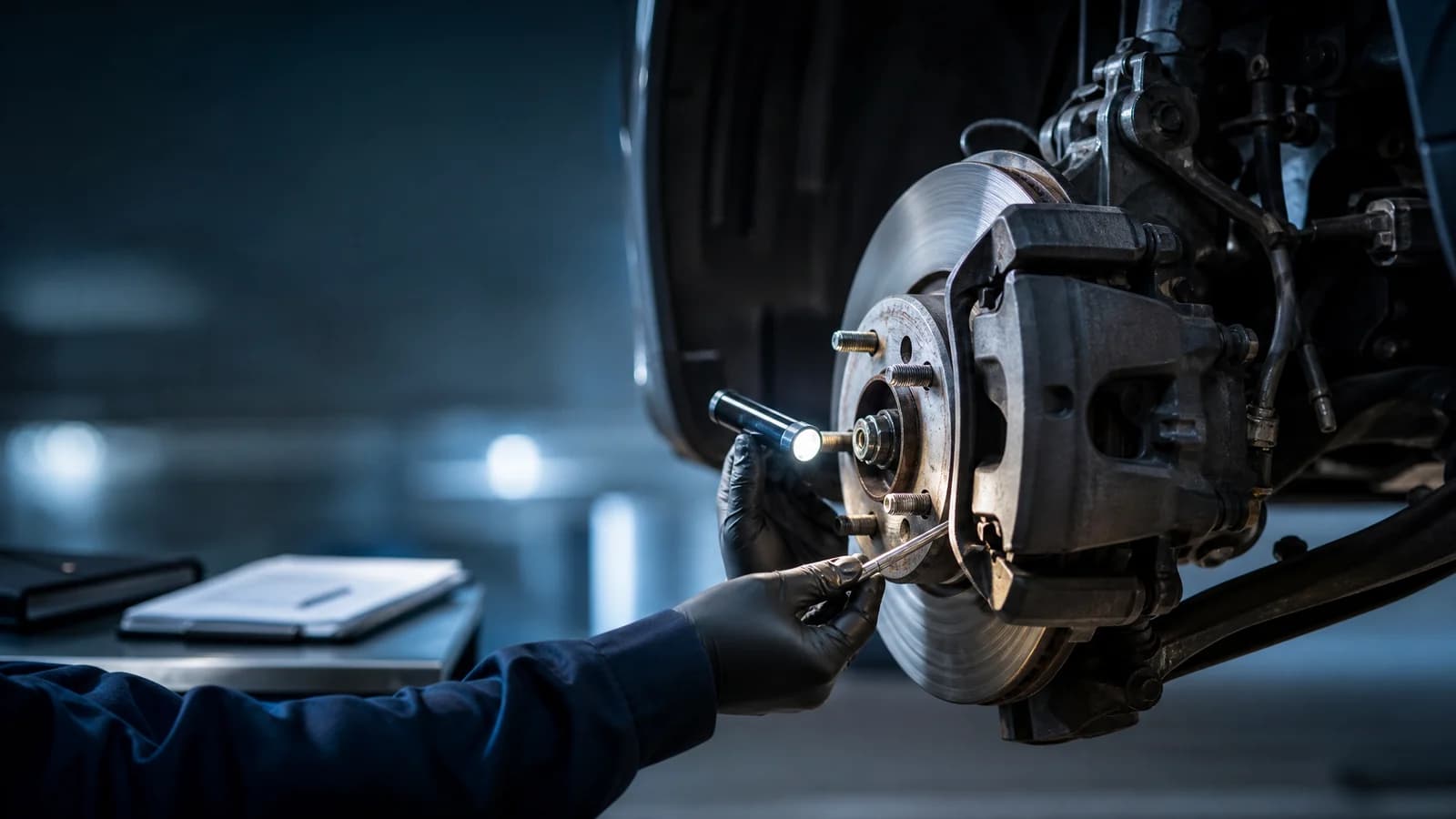
- Faulty brakes;
- Seat belt defects;
- Vehicle design defects (i.e. a vehicle being top-heavy);
- Safety glass/windshield defects;
- Acceleration defects;
- Vehicle computer defects; and
- More.
When an automobile is defective and malfunctions, the risk of an accident or serious injuries should an accident occur is increased. Those who are involved in crashes caused by defective autos may suffer:
- Burns;
- Cuts or lacerations;
- Facial disfigurement;
- Nerve damage;
- Blindness;
- Head injuries;
- Bone fractures;
- Traumatic brain injuries;
- Spinal cord injuries;
- Soft tissue injuries; and
- Paralysis.
The emotional effects of an accident are just as serious as the physical ones, even if they are largely invisible. Emotional distress can include:
- Depression;
- Anxiety;
- Embarrassment;
- Irritability; and
- Post-traumatic stress disorder.
Helpfully, Indiana’s Product Liability Act allows consumers and users to sue for compensation to cover the losses associated with bodily injuries and property damage. This means you can get reimbursed for your medical expenses, including trips to the doctor and meetings with a therapist. An experienced Fort Wayne auto manufacturer liability attorney can help you. Our clients have also received compensation to make up for lost wages and for pain and suffering.
WHAT YOU NEED TO PROVE
Indiana’s law lays out the elements that a victim needs to establish to bring a successful products liability action. Foremost among them is the need to prove that the product (automobile) is “defective,” which means:
- The automobile is not in a condition that a reasonable person would expect it to be; and
- The condition is unreasonably dangerous to the expected consumer.
For example, an airbag that fails to implode upon impact in a crash would be defective, since a consumer would not expect it to operate that way, and an explosion is certainly unreasonably dangerous. Automobiles can be defective in both design and manufacturer.
Once you establish that the automobile is defective, you must also show the defective condition existed when the product left the manufacturer’s control. If it didn’t, then the manufacturer cannot be legally liable; however, someone else along the distribution chain, such as the dealership from which you purchased the car, may be liable if they caused or knew of the defect, yet sold the vehicle anyway.
Also, you must show that the defective vehicle was the proximate cause of your injuries. For example, an airbag may fail to implode, but if you suffered an injury to your leg that had nothing to do with the airbag, you won’t be able to hold the airbag or vehicle manufacturer liable. To get the manufacturer to pay you compensation, you need to provide a link between the defective product and your injuries.
DEFENSES

Manufacturers are strictly liable if they put a defective product into the stream of commerce that injures you. “Strict liability” is a legal term that basically means a manufacturer can’t argue they used all reasonable care to make the product safe. Instead, the law imposes liability because the manufacturer chose to release a dangerous product.
However, manufacturers still have some defenses they can raise in these types of lawsuits:
- The victim knew of the defect but went ahead and used it anyway
- The victim misused the product
- Someone else modified or altered the product, and this alteration caused the injuries
These are hard defenses to prove, but large auto manufacturers have armies of lawyers at their disposal that try to help them win these cases and deny you compensation. Reach out to a Fort Wayne auto manufacturer liability attorney for help with your case.
STATUTE OF LIMITATIONS
Indiana’s statute limits the amount of time that someone has to bring a lawsuit against a vehicle manufacturer. Specifically, you will have two years from the date of your car accident or within 10 years after the delivery of the product to the initial consumer or user.
For example, a vehicle steering defect might have caused a car accident in which you were involved on June 15, 2017. This means you have until June 15, 2019 to bring a lawsuit. The law has different wrinkles that are too complex to summarize here, but it is best to contact an attorney as soon as possible to protect your rights. Any delay can only hurt your case.
EXPERIENCED LEGAL REPRESENTATION

If you have been injured by a dangerous and defective car or car part, know that you are not alone. At the Delventhal Law Office, our team of auto manufacturer liability attorneys in Fort Wayne have helped injured consumers receive millions of dollars in compensation. All you need to do is reach out to us by picking up the phone.
We offer a free consultation, which you can schedule by calling (260) 484-6655.
The Indiana law that applies to your auto manufacturer liability case
Auto-defect claims in Indiana proceed under the Indiana Product Liability Act (IC 34-20[2]), governed by the two-year statute of limitations in IC 34-11-2-4[3] and the ten-year statute of repose for product claims. The case requires proof that a design or manufacturing defect in the vehicle — airbag, seatbelt, tire, fuel system, electronic stability control, or crashworthiness package — caused or substantially worsened the occupant injuries. Federal Motor Vehicle Safety Standards compliance is a factor but not a complete defense, and Indiana's 51% modified comparative-fault rule (IC 34-51-2-6[4]) still applies to driver conduct.
How insurance carriers fight Fort Wayne auto manufacturer liability claims
Auto manufacturers defend with a sophisticated four-part playbook. First, they argue driver fault — speed, intoxication, distraction, or seatbelt non-use — as the sole cause of the injuries, not the alleged defect. Second, they argue the vehicle met all FMVSS standards in effect at the time of manufacture, treating regulatory compliance as a near-complete defense. Third, they argue the crash forces exceeded any reasonably foreseeable design envelope, putting the collision outside the design intent. Fourth, they argue alternative causation — that the occupant injuries would have occurred regardless of the defect. We counter with NHTSA recall and complaint data from the National Highway Traffic Safety Administration[5] recalls portal, crashworthiness research from the Insurance Institute for Highway Safety[6], vehicle event-data-recorder downloads, and biomechanical experts who can isolate the defect's contribution to the injury severity.

Evidence we preserve in the first 48 hours
Auto-defect cases require immediate preservation of the vehicle, the EDR data, and federal complaint records before the salvage yard, the insurer, or routine NHTSA archive cycles erase the evidence.
- The vehicle itself, preserved post-crash with no further damage and no salvage-yard disposal, held in a secured impound or storage facility.
- Event Data Recorder (EDR) and infotainment-system downloads capturing pre-crash speed, throttle, braking, steering, seatbelt status, and airbag deployment data.
- NHTSA recall history, technical service bulletins, and consumer complaint records for the specific make, model, and model year, downloaded from the federal database.
- Crash reconstruction photographs, scene measurements, and any third-party dashcam or surveillance video capturing the collision sequence.
- Complete occupant medical records and biomechanical analysis correlating the injury pattern to the defective component's failure mode.
Damages categories in an Indiana auto manufacturer liability case
Auto-defect damages typically run high because the injuries — head trauma, spinal cord damage, internal-organ injury, severe burns — produce lifetime care needs and permanent loss of earning capacity. Indiana allows recovery for medical expenses, lost wages, future earning capacity, pain and suffering, and disfigurement. Crashworthiness research and side-impact testing published by the Insurance Institute for Highway Safety[6] grounds the argument that a safer alternative design was available, which is central to both compensatory damages and any punitive-damages claim under IC 34-51-3[7].

What our auto manufacturer liability clients ask most
What kinds of auto defects support a manufacturer-liability claim?
Common defect categories include defective airbags (non-deployment, late deployment, or aggressive deployment), seatbelt failures (latch release, retractor failure, or webbing rupture), tire tread separations, sudden unintended acceleration, brake failures, fuel-system fires, roof-crush in rollovers, and crashworthiness defects where the occupant compartment failed to maintain survival space during a foreseeable collision.
What is the role of the federal recall record in my case?
NHTSA recall records establish the manufacturer's notice of the defect. A recall covering the same make, model, and component creates a powerful inference that the manufacturer knew or should have known about the failure mode. Even where no recall has issued, NHTSA complaint data and technical service bulletins document a pattern of similar incidents we can use at trial.
How is the vehicle's data recorder used in an auto-defect claim?
Modern vehicles store five to ten seconds of pre-crash data — speed, throttle, brake, steering input, seatbelt buckle status, and airbag deployment timing. Downloading the EDR within days of the crash captures objective data that defeats the manufacturer's typical claim that the driver caused the injuries. We coordinate the download through a qualified accident-reconstruction expert.
Does FMVSS compliance defeat my auto-defect case?
Federal Motor Vehicle Safety Standards compliance is admissible but does not bar the claim. FMVSS sets minimum requirements, not best practices, and Indiana juries can find a vehicle defectively designed even when it meets all federal standards in effect at manufacture. Compliance is one factor weighed against the existence of safer alternative designs available at the same cost.
How long do I have to bring an auto-defect lawsuit in Indiana?
Indiana's two-year personal-injury statute of limitations under IC 34-11-2-4[3] runs from the date of the crash. The Indiana Product Liability Act adds a ten-year statute of repose under IC 34-20-3-1[8] measured from the date the vehicle was first delivered to a consumer. Older vehicles may fall outside the repose window even if the crash is recent.
What happens after you hire us
From day one, we secure the vehicle in chain-of-custody storage, coordinate the EDR download with a qualified reconstruction expert, and pull NHTSA recall, complaint, and TSB records for the specific platform. We retain biomechanical and design-engineering experts before filing, send a documented demand once medical care plateaus, and file suit in Allen Superior Court or in federal court when diversity supports it. Every step is on a contingency-fee basis: no fee unless we recover.