
Ride-share crashes are different from regular car crashes in one specific way: there are usually three or four insurance policies stacked on top of the wreck, and figuring out which one pays (and when) is the entire ballgame. This article walks through what to do in the first 24 hours, what coverage Uber and Lyft actually carry, and how injured passengers in Fort Wayne protect a claim before the carriers start blaming each other.
First 24 Hours: What to Do Before You Do Anything Else
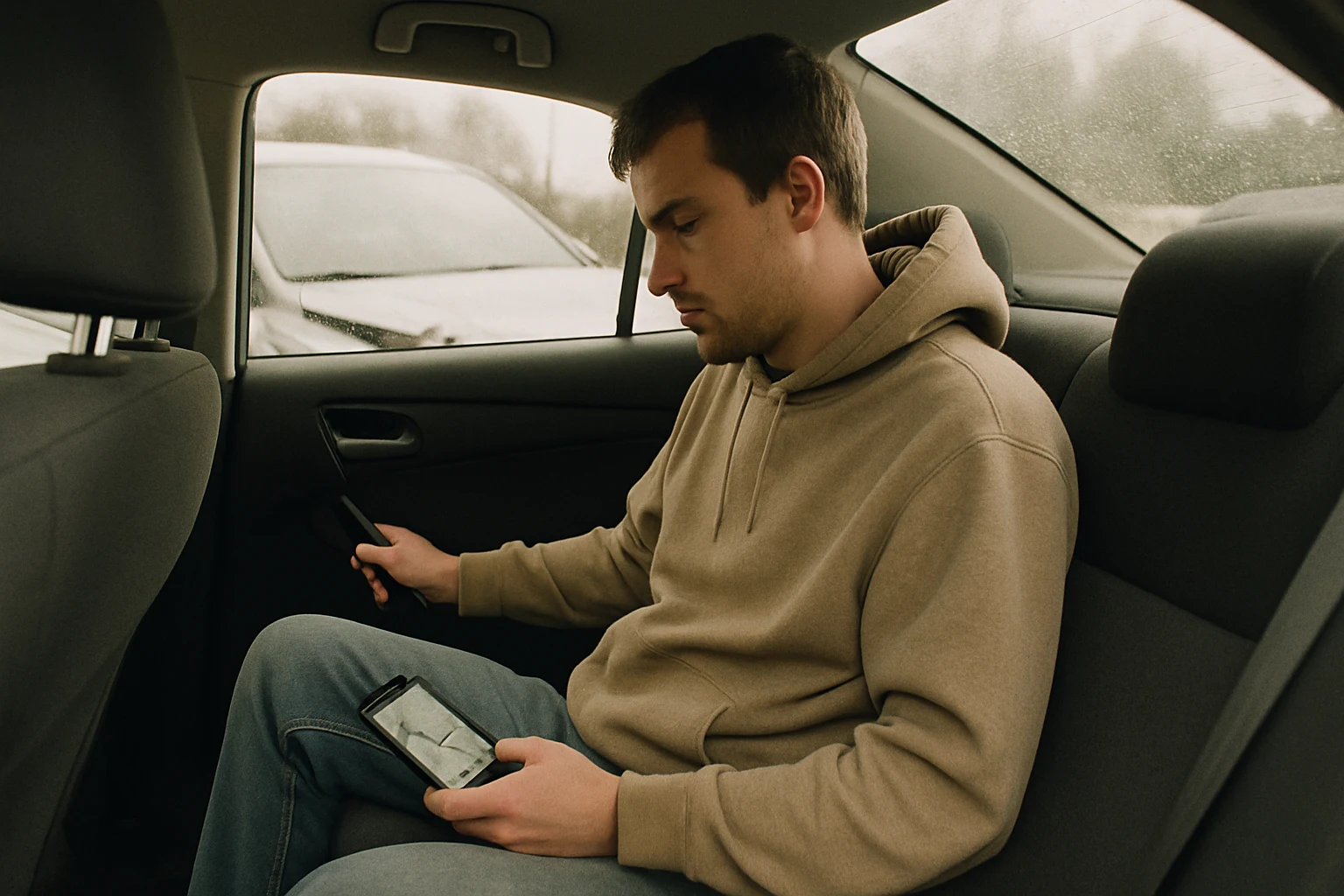
The first day after a ride-share crash decides how the next year goes. Insurance carriers build their defense from the police report, the app data, and your medical records inside the first 72 hours. Three things matter most.
Get medical care, even if you walked away. Adrenaline masks soft-tissue injuries, concussions, and disc trauma for hours. If an ambulance is at the scene, take it. If not, get to Parkview, Lutheran, or your nearest ER within 24 hours. A doctor visit on the day of the crash is the single hardest piece of evidence for an insurer to argue against.
Report the crash inside the Uber or Lyft app. Both companies have built-in incident reporting. Use it, because the timestamp creates a record that the ride was active when the crash happened. That timestamp is the key that unlocks the $1 million liability policy. Without it, the carrier will argue the driver was off-duty.
Make sure a police report is filed. Under IC § 9-26-1[1], drivers must report any crash involving injury or significant property damage. If your driver is rattled or trying to leave, call 911 yourself. The Fort Wayne Police Department or Allen County Sheriff will respond and the report becomes the foundation of every later claim.
How Uber and Lyft Insurance Actually Works in Indiana
The big confusion in ride-share crashes is which policy covers what. Indiana follows the standard three-period framework that Uber and Lyft use nationally. The driver's status at the moment of the crash determines coverage.
Period 1: App off
The driver is not logged into the app. Their personal auto insurance covers them, the same as any private driver. The ride-share company has no responsibility. If you are a passenger here, you are not in a ride-share crash at all.
Period 2: App on, no passenger, no accepted trip
The driver is waiting for a ping. Uber and Lyft both carry contingent liability coverage during this period: typically $50,000 per person, $100,000 per crash, $25,000 property damage. This kicks in if the driver's personal insurance refuses (and many personal policies exclude ride-share use).
Period 3: Trip accepted or passenger in the car
This is the period that matters most for injured passengers. Once the driver accepts the ride or the rider is in the vehicle, both companies provide:
- $1 million in third-party liability coverage
- Uninsured / underinsured motorist coverage (varies by state, but available in Indiana)
- Contingent collision coverage if the driver carries comprehensive on their own policy
If you were a passenger when the crash happened, you are almost always in Period 3. The trip is active. The $1 million policy is in play. The carriers will still try to argue otherwise, which is why the in-app timestamp matters.
Evidence That Disappears in Days, Not Months
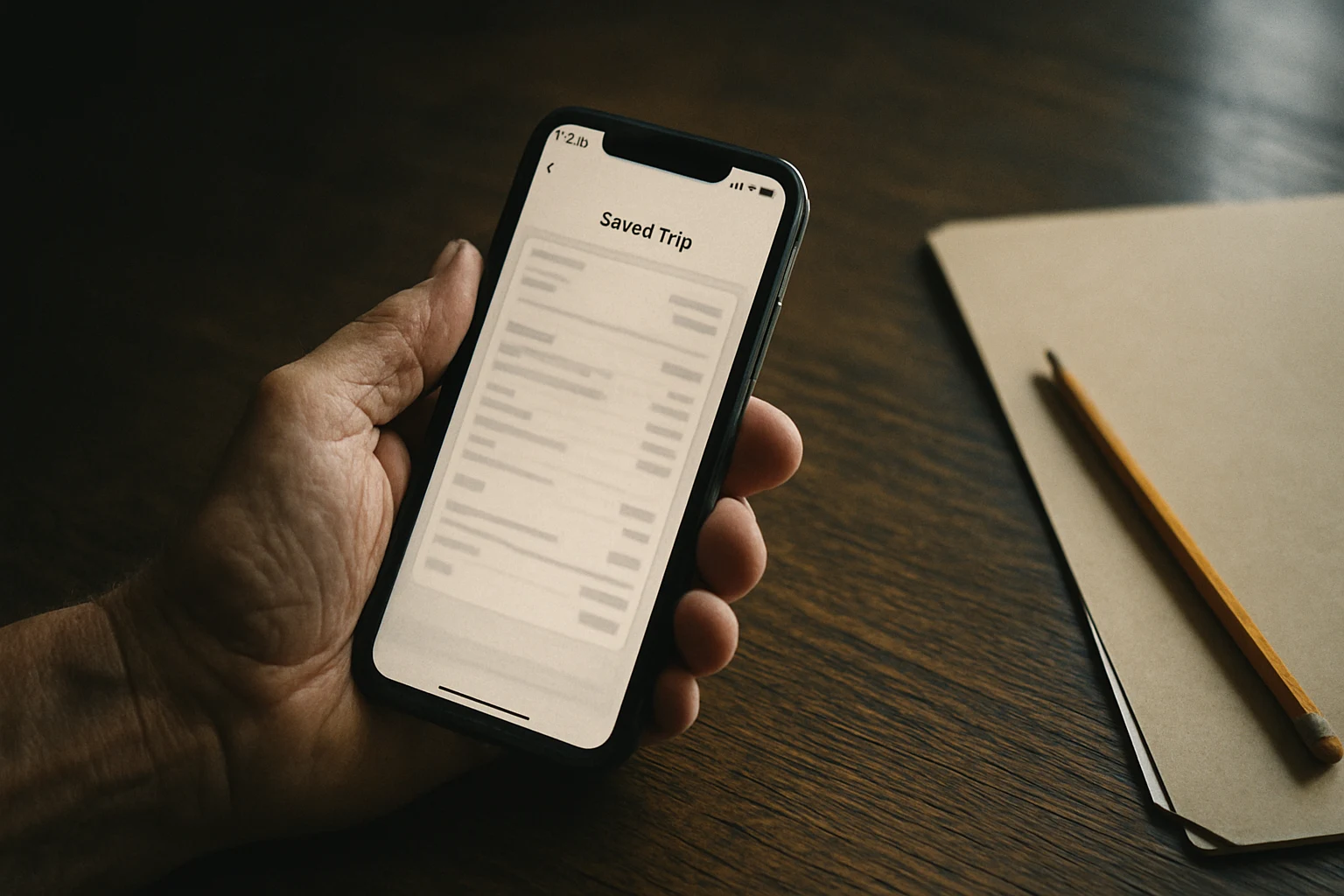
The biggest mistake passengers make is assuming the platforms will hand over the trip records later. They will, but only under subpoena, and only after months of back and forth. The records you preserve in the first 48 hours are the records you actually get to use.
Pull and save the trip receipt from your email immediately. Both Uber and Lyft email a receipt within minutes of trip completion, with the driver's name, vehicle, route, and time. Screenshot the in-app trip history. Save the driver's profile page if you can still see it. Download your full ride history through the app's settings.
Photograph everything at the scene if you are physically able: both vehicles, license plates, the position of the cars in the intersection, any visible damage, the driver's app screen if you can do it without confrontation, the cross streets, traffic signals, and weather conditions. Get the contact information of every witness before they walk away. In Fort Wayne, an intersection crash on Lima Road, Coliseum, or Jefferson Boulevard will have witnesses, but only for about 90 seconds.
If you went to the ER, request the records yourself within 30 days. Do not wait for the insurance company to pull them. Records get coded wrong, charts get lost, and the version you receive directly from the hospital is the cleanest.
When Multiple Drivers and Multiple Policies Get Tangled
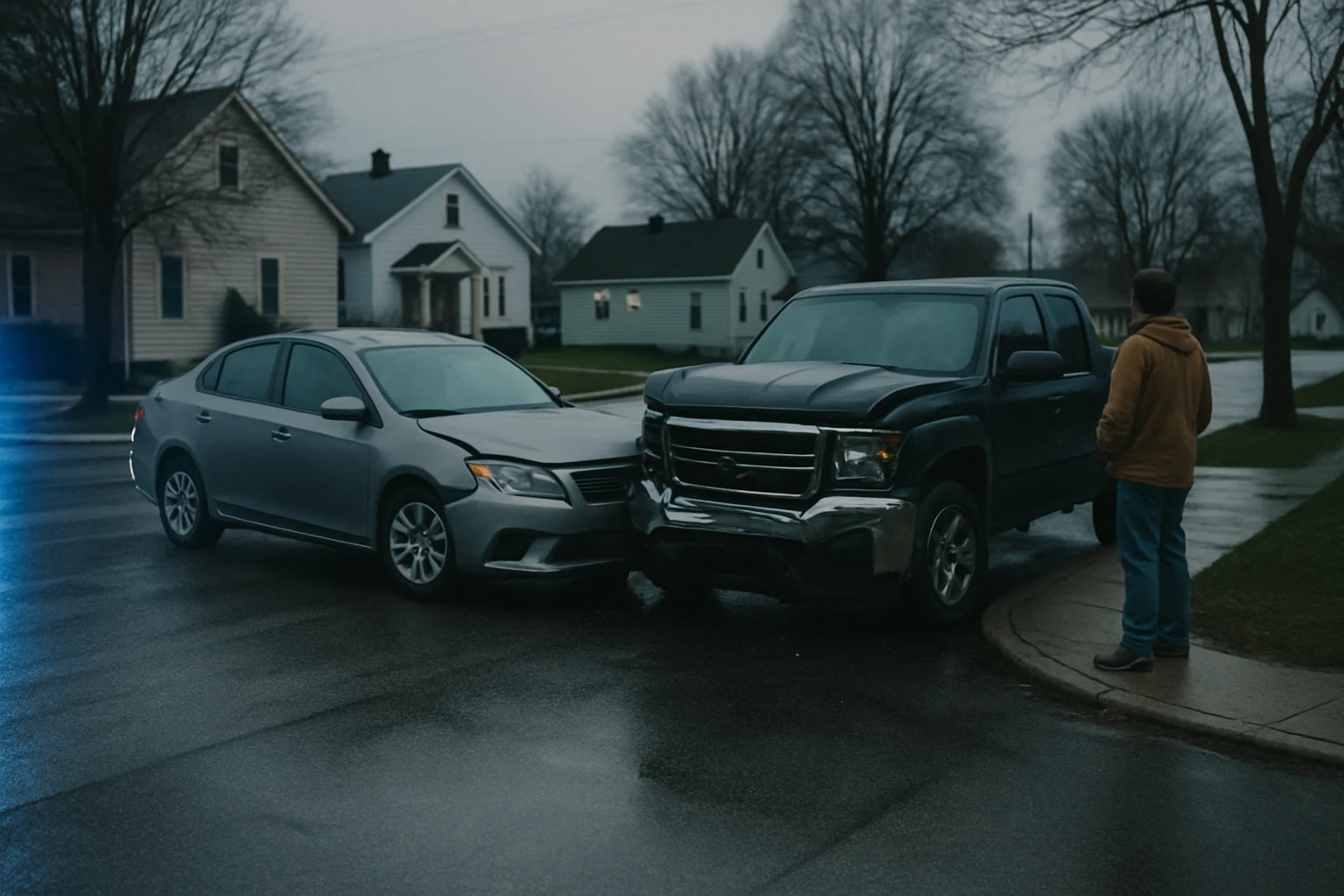
The cleanest ride-share crashes are also the rarest: the ride-share driver was 100% at fault, the company's $1 million policy pays, end of story. The messy ones (which is most of them) involve another driver, a question of fault, or a hit-and-run.
Other driver was at fault. The other driver's liability insurance is the primary policy. Indiana's minimum is $25,000 per person, $50,000 per crash. If your injuries blow past those limits (and serious injuries do), the Uber or Lyft underinsured motorist coverage stacks on top. That UIM coverage is why a hurt passenger in a $25k-limits crash can still recover real money.
Both drivers share fault. Indiana uses modified comparative fault under IC § 34-51-2-6[2]. As an injured passenger, you almost never carry fault for the crash itself. Whatever percentage of blame is allocated between the two drivers, you collect from both policies proportionally.
Hit-and-run or uninsured other driver. The Uber or Lyft uninsured motorist coverage applies. This is one of the most under-used benefits in ride-share crashes, because passengers do not realize the company's UIM policy covers them.
Each scenario has a different first phone call, a different demand letter, and a different lien structure. Trying to sort it out on your own usually means leaving money on the table.
What Not to Do (And Why Carriers Are Counting On It)
Insurance carriers handle ride-share claims by the playbook. The playbook starts with getting the injured passenger to do five things in the first two weeks. Avoid all of them.
- Do not give a recorded statement. Adjusters from Progressive, State Farm, or the Uber/Lyft third-party administrator will call within 48 hours and ask you to "just walk through what happened." You are not required to give one, and anything you say will be quoted back in three months to argue you are exaggerating.
- Do not sign a blanket medical release. They will mail or email a HIPAA authorization that grants access to your entire medical history, going back years. This lets them dig for prior injuries to blame your pain on. Only release records related to this crash.
- Do not accept the first settlement offer. Early offers in ride-share cases are almost always low. The carriers know most injuries are still healing at month two or three. An offer at week four is designed to close the file before you know what your medical bills will be.
- Do not post about the crash on social media. Anything you put on Facebook, Instagram, or TikTok about feeling better, getting back to the gym, or going out with friends will be used to argue you were not really hurt.
- Do not let the deadlines run. Indiana's statute of limitations for personal injury is two years under IC § 34-11-2-4[3]. That seems like forever; it disappears fast when you are dealing with three insurance companies that all want to pass the file to each other.
Damages Available to Injured Passengers
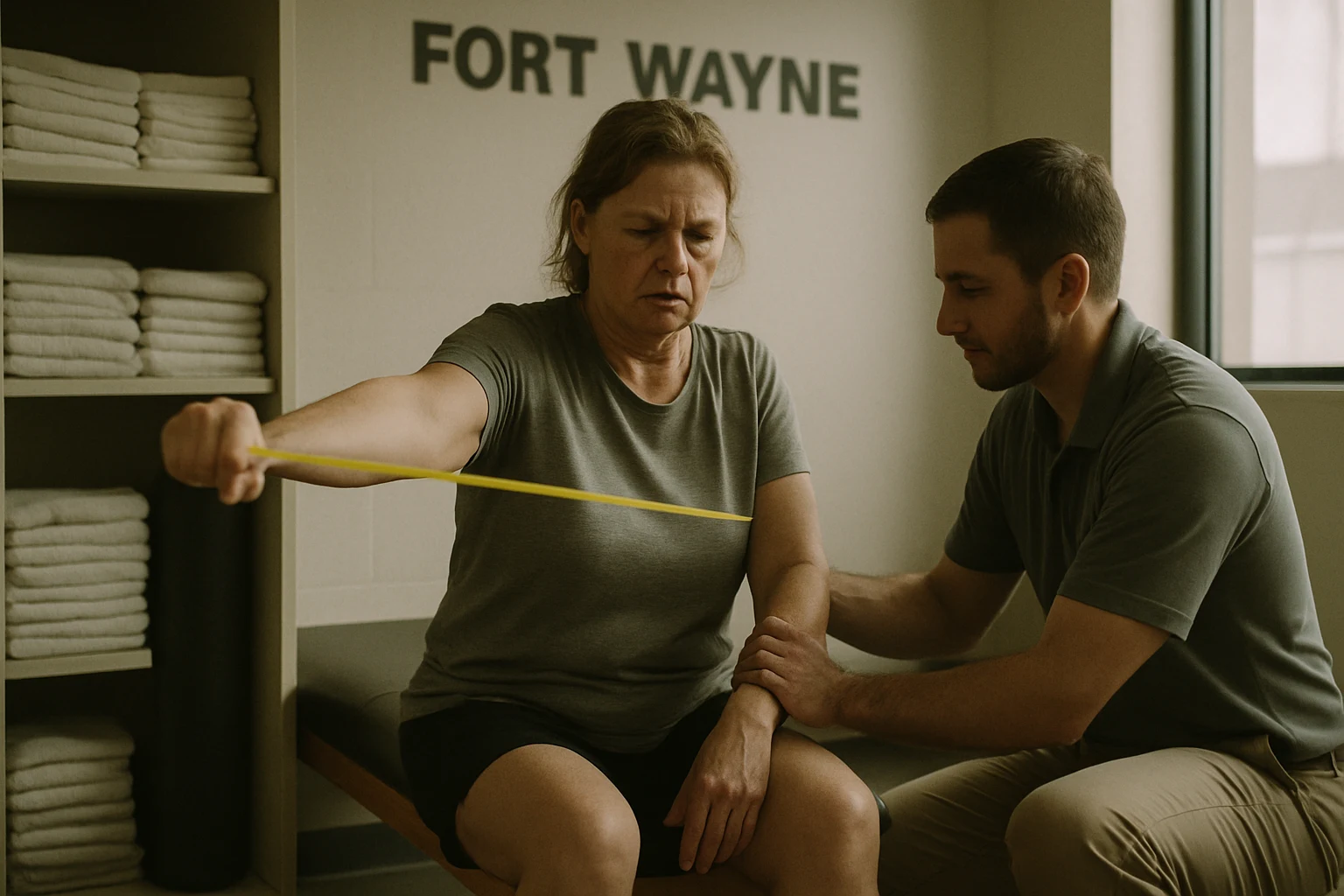
An injured ride-share passenger in Indiana can recover the same categories of damages as any other crash victim. The math is usually larger because the available coverage is larger. You can use our Indiana car accident settlement calculator to organize the factors that may affect a claim’s value; it is an educational tool, not a promise of any result.
Medical expenses. Past and future. ER, imaging, surgery, follow-up visits, physical therapy, mental-health treatment if PTSD is documented, durable medical equipment. The bills do not stop at the day of settlement. A neck injury that requires a fusion two years later is part of your recoverable damages today.
Lost wages and future earning capacity. Time missed from work, including light-duty periods at reduced pay. For serious injuries, a vocational expert can quantify diminished future earning capacity.
Pain and suffering. Indiana does not cap general damages in standard personal-injury cases. This is where the difference between insurance minimums and real recovery shows up.
Loss of consortium. A spouse can recover for loss of companionship and household services if your injuries change the relationship.
Out-of-pocket costs. Co-pays, prescription costs, mileage to and from medical appointments, costs of hiring help for things you could do before the crash. Track every receipt; it adds up.
How Delventhal Law Office Handles Ride-Share Crashes
Ride-share cases reward attorneys who move early. The trip data, the app records, the driver's prior ride history (which can show patterns of unsafe driving), and the platform's internal incident reports all have to be preserved through a litigation hold before the carriers "misplace" them. We send preservation letters to Uber, Lyft, and every involved insurer within the first week of representation.
We treat ride-share claims as multi-policy cases from day one. That means parallel claims against the at-fault driver's insurance, the ride-share company's $1 million policy, and (where it applies) the UM/UIM stack. Carriers default to letting the others go first; we file simultaneously and force the conversation.

Every ride-share file at Delventhal Law Office is handled by Chad directly, including the first call. Indiana State Bar, admitted 2008. Fort Wayne, Allen County, DeKalb, Whitley, Adams, Wells, Huntington, and Noble County injury claims. No paralegal funnel. No "someone will call you back next week."
FAQs About Lyft and Uber Passenger Injuries in Indiana
Am I covered if the Uber or Lyft driver caused the crash?
Yes. While the trip is active, both companies maintain a $1 million third-party liability policy that covers passengers. Save the trip receipt, report through the app, and the policy applies. Personal injury claims for passengers are almost always covered under this policy.
What if the other driver was at fault, not the Uber driver?
The other driver's liability insurance pays first. If their limits do not cover your injuries (Indiana's minimum is $25,000), the Uber or Lyft underinsured motorist coverage kicks in on top. You may recover from both policies in the same case.
Can I sue Uber or Lyft directly?
Usually you are suing the driver and recovering from the company's commercial policy, not suing the company as an entity. The platforms classify drivers as independent contractors, which complicates direct claims. The insurance policy is where the money is, and that policy responds whether the driver is on the lease or off it.
How long do I have to file?
Two years from the date of the crash for personal injury claims under IC § 34-11-2-4[3]. That is the litigation deadline. You can (and should) file an insurance claim much earlier, but only filing a lawsuit stops the clock.
Do I have to talk to the insurance adjuster who calls me?
No. You are not legally obligated to give a recorded statement to the other driver's insurer or the ride-share company's third-party administrator. Politely decline until you have spoken with an attorney. Adjusters are trained to ask questions designed to minimize your claim.
Hurt in a Fort Wayne Uber or Lyft Crash? Call Before the Carriers Box You In

Ride-share claims are not regular car-crash claims. The number of policies in play, the speed at which app data disappears, and the way the carriers shuttle responsibility between each other all reward fast, informed action. The longer you wait, the more leverage you give them.
If you were hurt as a passenger in a Lyft or Uber crash anywhere in Allen County, DeKalb County, Whitley County, Adams County, or Indiana, talk to Delventhal Law Office. The consultation is free, no obligation, and you are talking to Chad directly. Call (260) 484-6655 or contact us online to schedule a free case evaluation.