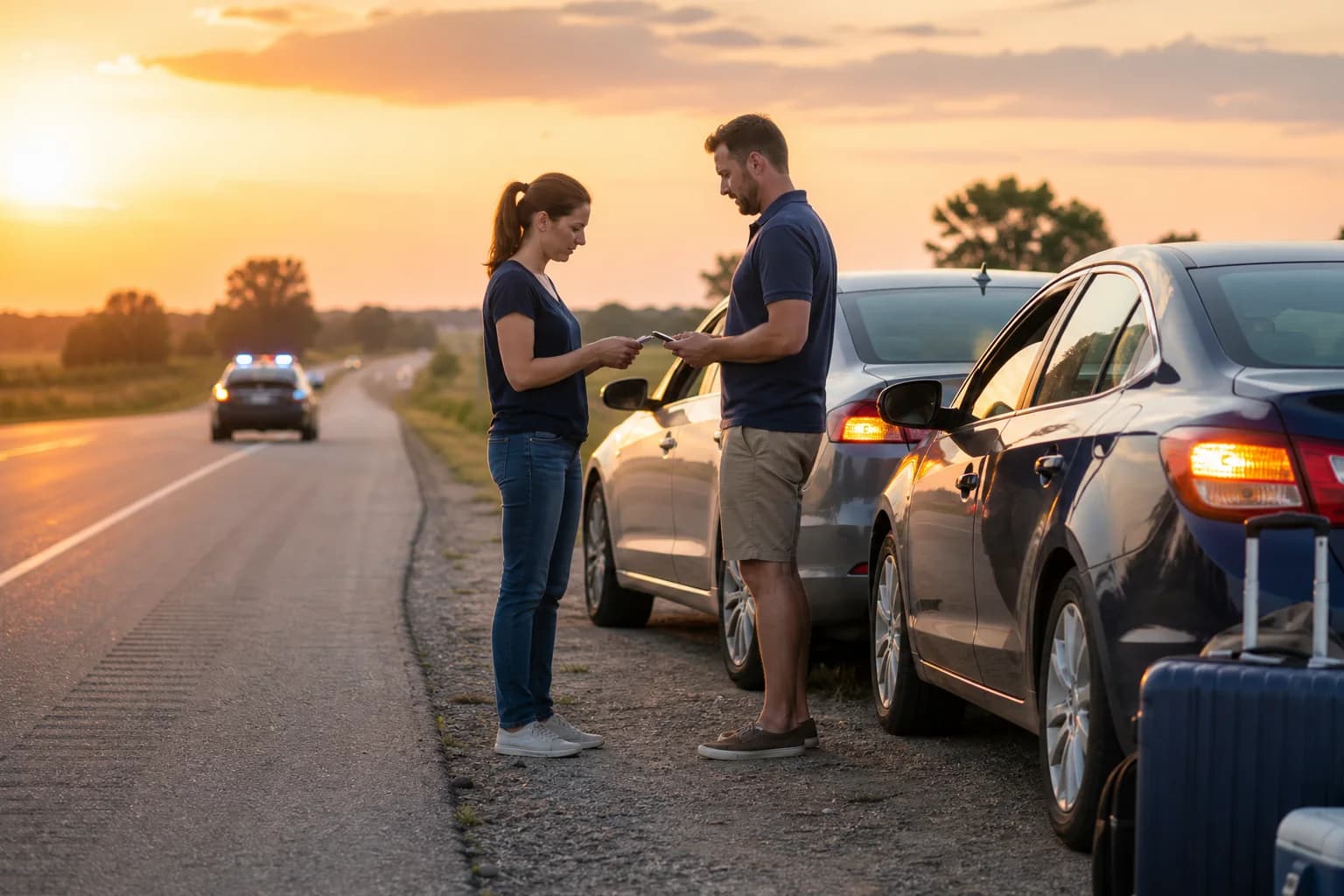
Memorial Day, July 4th, Labor Day, lake weekends, festivals, graduation parties, and summer vacations all bring more traffic onto Indiana roads. People drive later, farther, and sometimes less carefully. Indiana State Police summer safety guidance emphasizes rest, seatbelts, avoiding distracted driving, moving over for emergency and highway service vehicles, and checking tires before summer travel.
For an injured person, the first few days after a holiday weekend crash can shape the entire claim. This checklist is designed to help you avoid common mistakes.
Key takeaways
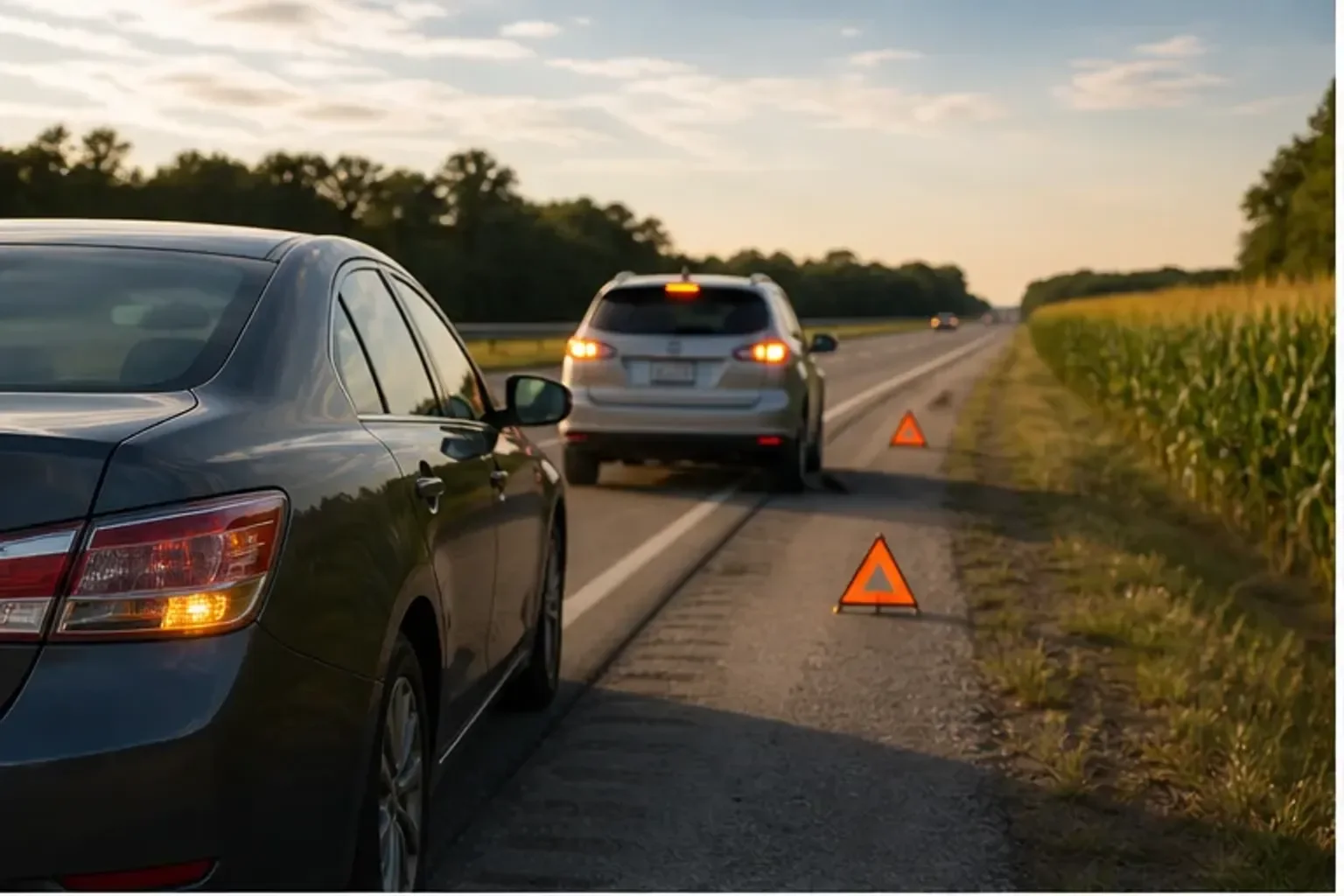
- Holiday weekend crashes often involve fatigue, alcohol, speed, distraction, unfamiliar roads, and heavier traffic.
- Medical care matters even if you hoped symptoms would go away.
- Photos, witness information, and vehicle damage evidence are easier to preserve early.
- Do not rely on the insurance company to explain every right or deadline.
- Indiana fault rules can reduce or bar recovery if fault is disputed.
- If a government vehicle, road defect, or public entity may be involved, special notice rules may apply.
Step 1: Call 911 and make a report
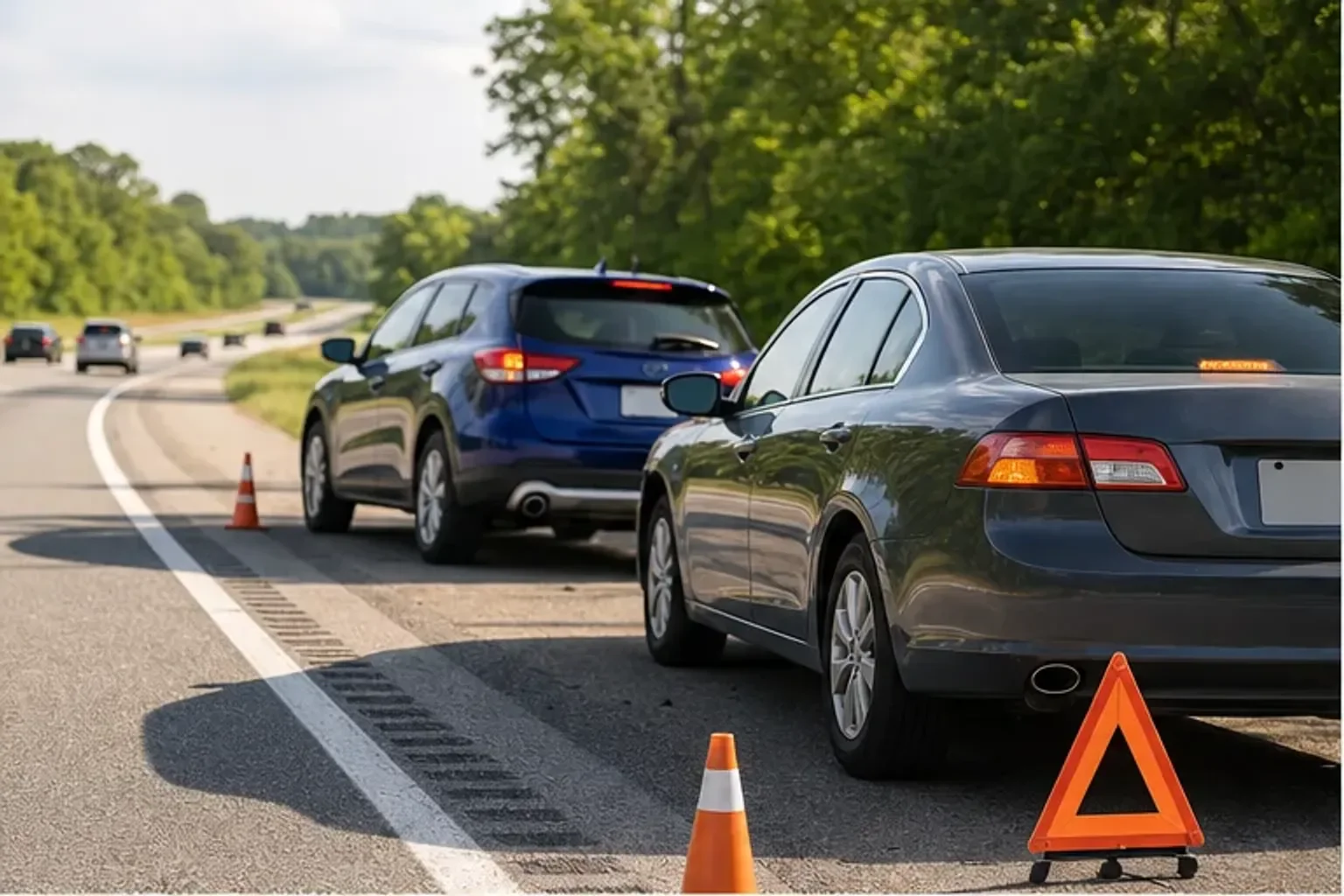
If anyone is hurt, if vehicles are disabled, if traffic is blocked, or if alcohol/drug impairment may be involved, call 911. A police report can help document:
- date, time, and location;
- drivers and vehicles involved;
- insurance information;
- witnesses;
- visible injuries;
- statements at the scene;
- citations or suspected contributing factors.
A police report does not decide the entire case, but it is often the first important record.
Step 2: Get medical care, even if symptoms seem manageable
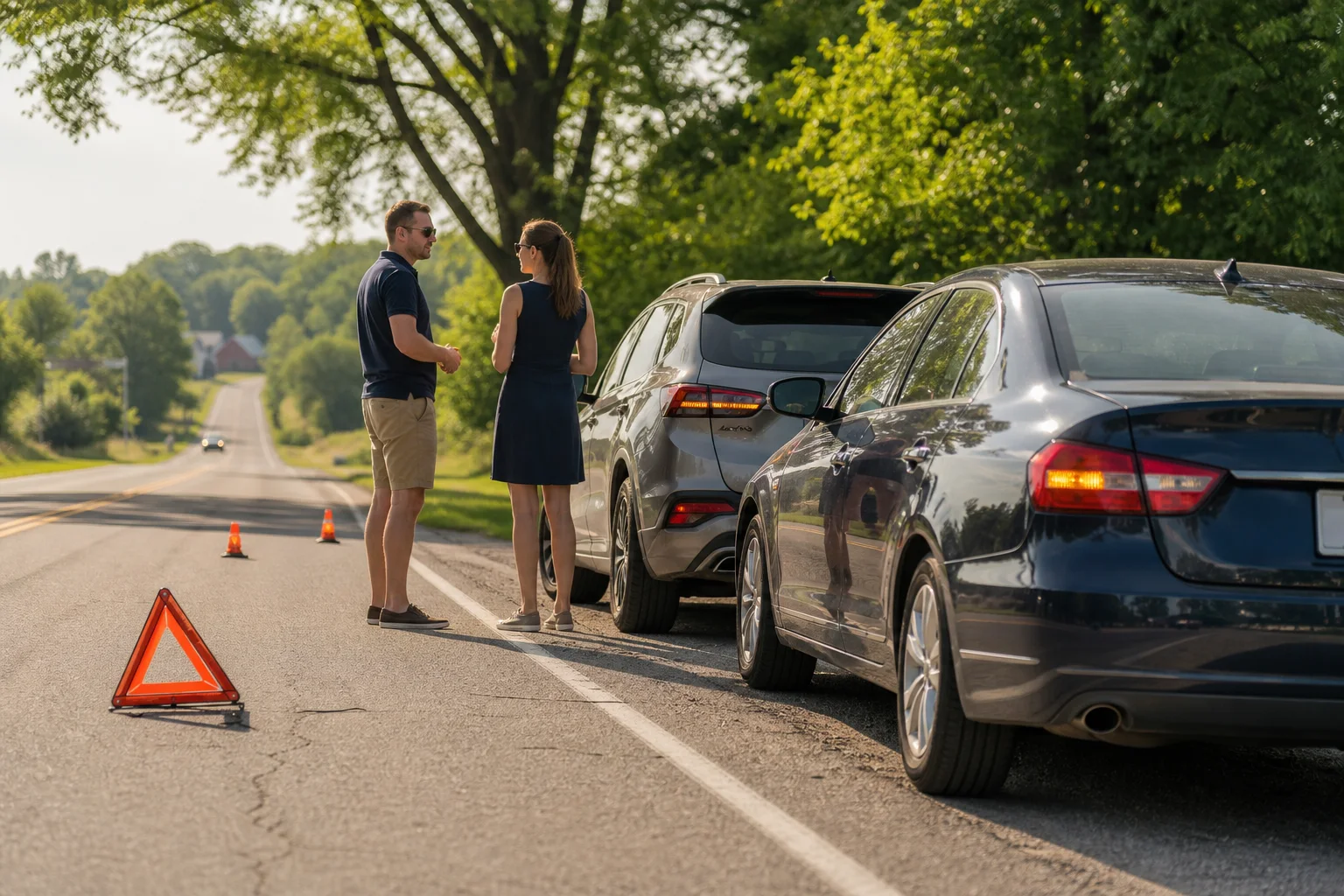
Holiday weekend crashes often happen when people are trying to get somewhere — a lake, cookout, family event, hotel, or home. It is tempting to “deal with it later.” That can hurt both your health and your claim.
Watch for symptoms such as:
- neck pain;
- back pain;
- headaches;
- dizziness;
- confusion;
- numbness or tingling;
- shoulder, wrist, hip, knee, or ankle pain;
- abdominal pain;
- sleep disruption;
- anxiety after the crash.
If symptoms appear, get checked. Be accurate with medical providers about the crash, when pain started, and what symptoms you have.
Step 3: Document the crash scene if you safely can
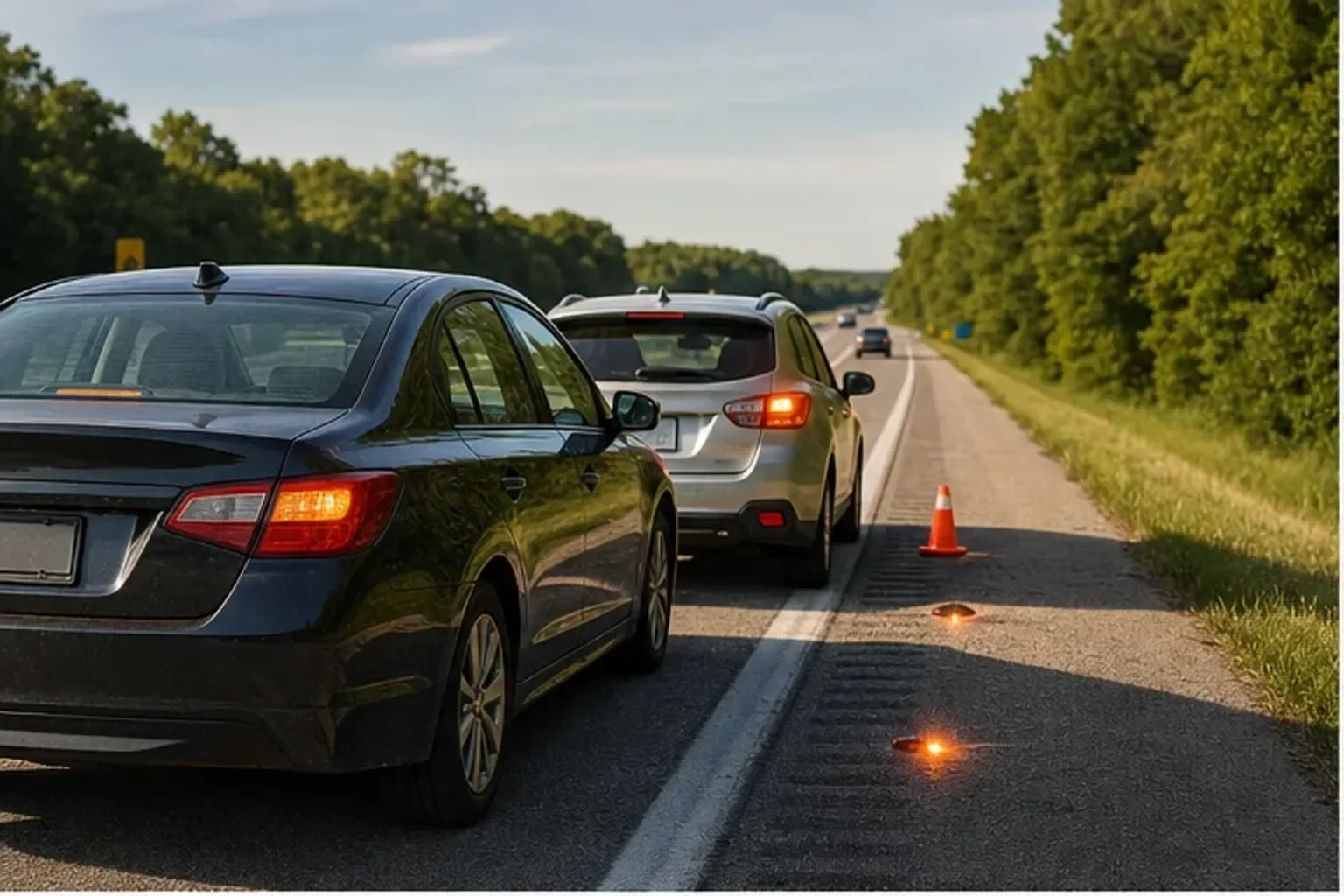
If you are able to do so without putting yourself in danger, take photos and video of:
- all vehicles from multiple angles;
- close-up damage;
- license plates;
- driver’s license and insurance cards;
- traffic signs and signals;
- skid marks, debris, and fluid trails;
- road conditions;
- weather and lighting;
- visible injuries;
- nearby businesses or homes that may have cameras.
Holiday crashes can be cleaned up quickly. Tow yards, repairs, and total-loss processing can erase evidence fast.
Step 4: Exchange information, but do not argue fault

Get the other driver’s:
- name;
- phone number;
- address;
- insurance company;
- policy number if available;
- license plate;
- vehicle make/model;
- driver’s license information.
Stay calm. Do not argue. Do not apologize for causing the crash if you do not know all the facts. A polite “Are you okay?” is human. A roadside debate about fault is not useful.
Step 5: Identify witnesses before they leave
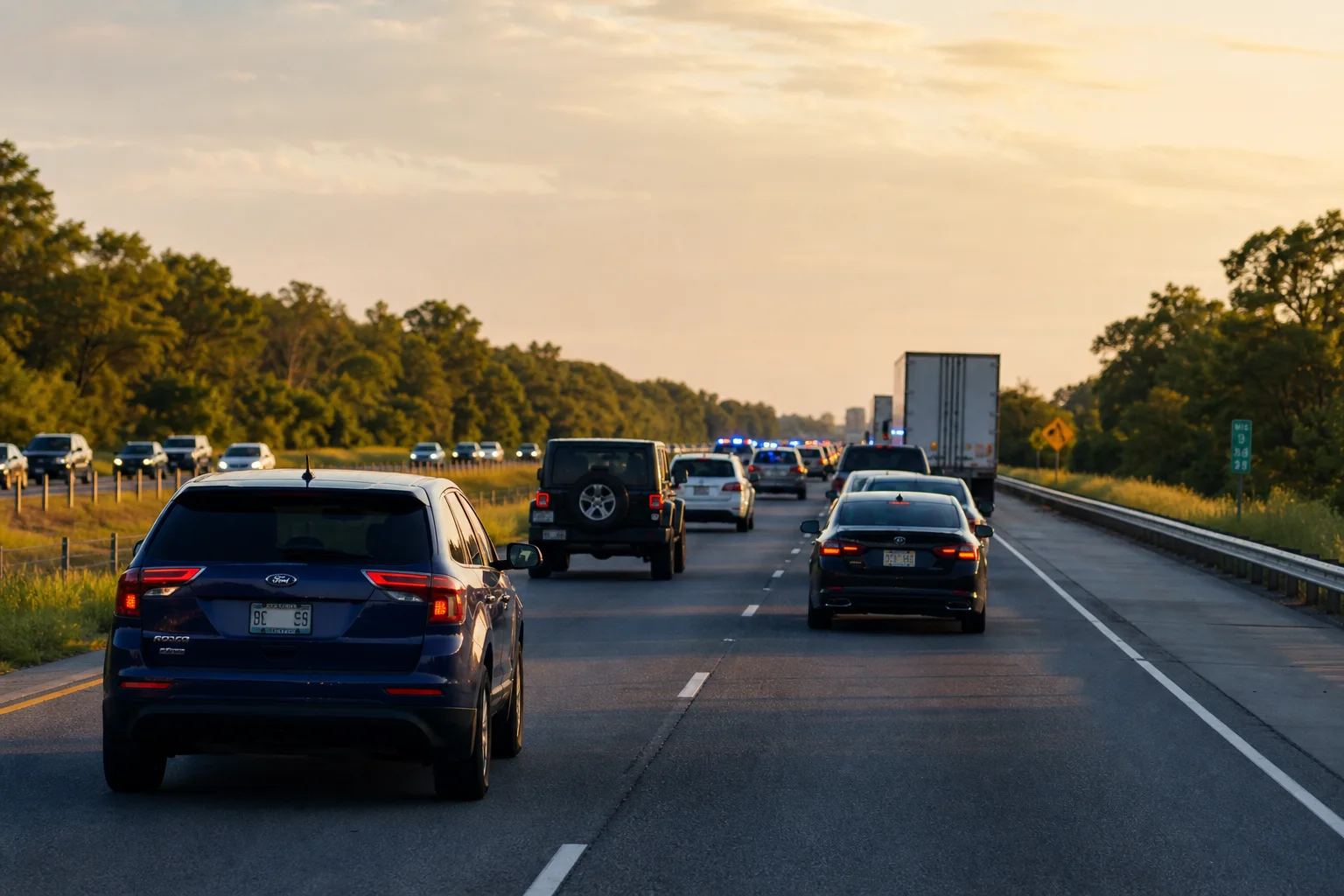
Holiday weekend crashes may involve people traveling through the area who will be hard to find later. If someone saw the crash, ask for their name and phone number. A neutral witness can matter if the drivers disagree about speed, light color, lane position, or who changed lanes.
Step 6: Notify your insurance company
Most policies require prompt notice. You can report the basic facts without guessing:
- when and where the crash happened;
- vehicles involved;
- whether police responded;
- whether anyone was hurt;
- where the vehicle was towed;
- claim number if you have one.
Be careful about speculation. If you do not know how fast the other driver was going, say you do not know. If you are still evaluating injuries, say that.
Step 7: Be cautious with the other insurance company
The other driver’s insurer may call quickly. They may sound friendly. Their job is still to protect their insured and limit what they pay.
Before giving a recorded statement, consider whether:
- you know the full extent of your injuries;
- fault is disputed;
- you are taking medication;
- you are in pain or exhausted;
- you understand what questions they will ask;
- your own insurer or lawyer should be involved.
Do not lie. Do not exaggerate. But also do not let a quick phone call become the statement used against you for the next year.
Step 8: Track medical bills, missed work, and daily symptoms
Create a folder — physical or digital — for:
- ER/urgent care paperwork;
- doctor visit summaries;
- imaging orders and results;
- physical therapy records;
- prescriptions;
- work notes;
- missed shifts;
- mileage to appointments;
- repair/towing/rental receipts;
- insurance letters.
For daily symptoms, keep it simple. A short note like “neck pain 6/10, headache, missed half day of work” is better than trying to recreate everything months later.
Why are holiday weekend crashes often more complicated?
Holiday crashes can create extra complications:
Out-of-town drivers
The at-fault driver may live in another county or state. Insurance communication may be slower or more confusing.
Alcohol or drug allegations
If impairment is suspected, the civil injury claim may overlap with a criminal investigation. Evidence such as bodycam, toxicology, and witness statements may matter.
Multiple passengers
Passengers may have claims even if they were not driving. Sometimes passengers are unsure whose insurance applies.
Rental cars and borrowed vehicles
Holiday travel often involves rental vehicles, borrowed cars, or family vehicles. Coverage may involve several policies.
Minimal insurance
Indiana minimum coverage may not be enough after a serious injury. Uninsured/underinsured motorist coverage can become important.
What if you were a passenger?
Passengers often have rights even when they do not know which driver was at fault. A passenger claim may involve:
- the driver of the other vehicle;
- the driver of the vehicle you were riding in;
- uninsured/underinsured motorist coverage;
- medical payments coverage;
- multiple insurance policies.
If you were a passenger, do not assume you are “stuck in the middle.” Your job is to get medical care and preserve information. Fault and coverage can be sorted out later.
What if the crash involved alcohol?
If alcohol may have contributed, tell the responding officer what you observed: smell of alcohol, slurred speech, open containers, erratic driving, or admissions. Do not confront the other driver.
In an injury claim, impairment evidence may affect fault, credibility, and damages. But the civil case still requires proof. Police records, witness statements, and medical records matter. You can use our Indiana car accident settlement calculator to organize the factors that may affect a claim’s value; it is an educational tool, not a promise of any result.
What if the insurance company says the crash was minor?
Insurance companies often compare vehicle damage to injury severity. That can be misleading. Some people are injured in crashes with modest property damage, especially when the force affects the neck, back, shoulder, or head.
The better question is not “Was the car destroyed?” The better question is:
- What symptoms started after the crash?
- What did the medical records show?
- Did symptoms persist?
- Did treatment make sense medically?
- Did the crash mechanism match the injury?
Frequently Asked Questions
Should I go to the ER after a holiday weekend crash?
If symptoms are serious, sudden, or concerning, yes. For less severe symptoms, urgent care or a family doctor may be appropriate. The important point is not to ignore symptoms that persist or worsen.
What if I did not call police at the scene?
You may still be able to pursue a claim, but lack of a report can make proof harder. Document what you can and notify your insurer promptly.
How long do I have to file an Indiana car accident lawsuit?
Many Indiana personal injury claims have a two-year statute of limitations. Some claims may have shorter notice requirements, especially if a public entity is involved. Do not wait until the deadline is close.
Can I still recover if I was not wearing a seatbelt?
That issue can affect a case, but it does not automatically mean you have no claim. The facts and Indiana law should be reviewed carefully.
What if the other driver only has minimum insurance?
Minimum coverage may not be enough for serious injuries. Your own uninsured/underinsured motorist coverage may be important.
Sources and further reading
- Indiana State Police, Summer Travel Safety: https://www.in.gov/isp/resources/driving-safety/summer-travel-safety/[1]
- Indiana Rules of Professional Conduct: https://rules.incourts.gov/Content/prof-conduct/rule1-18/current.htm[2]
Bottom Line
If you were hurt and are not sure what to do next, a Fort Wayne car accident lawyer at Delventhal Law Office can help you sort through the evidence, insurance issues, medical proof, and deadlines before important details disappear.
You can call us or use the free case evaluation form to start a confidential consultation.