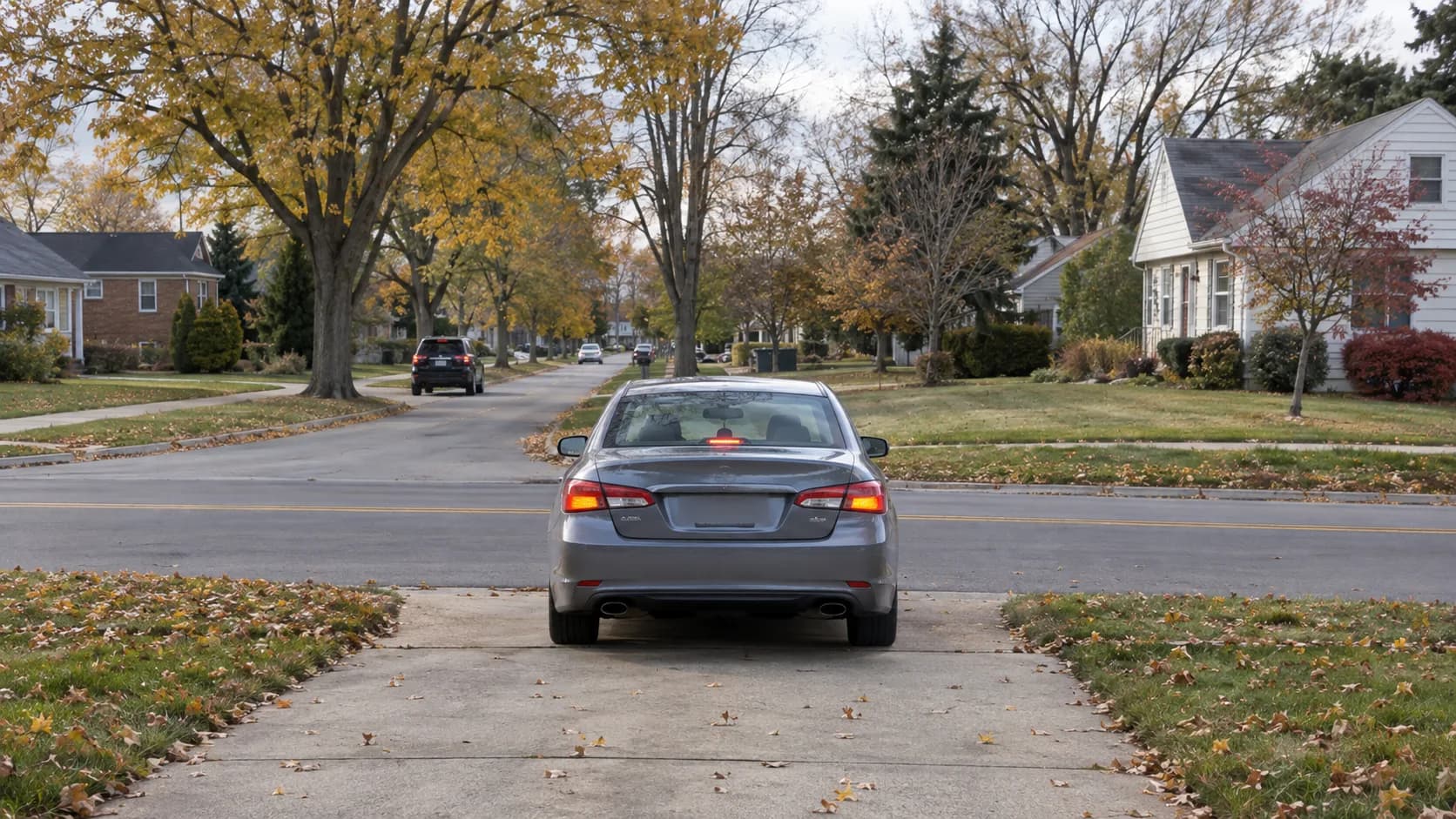
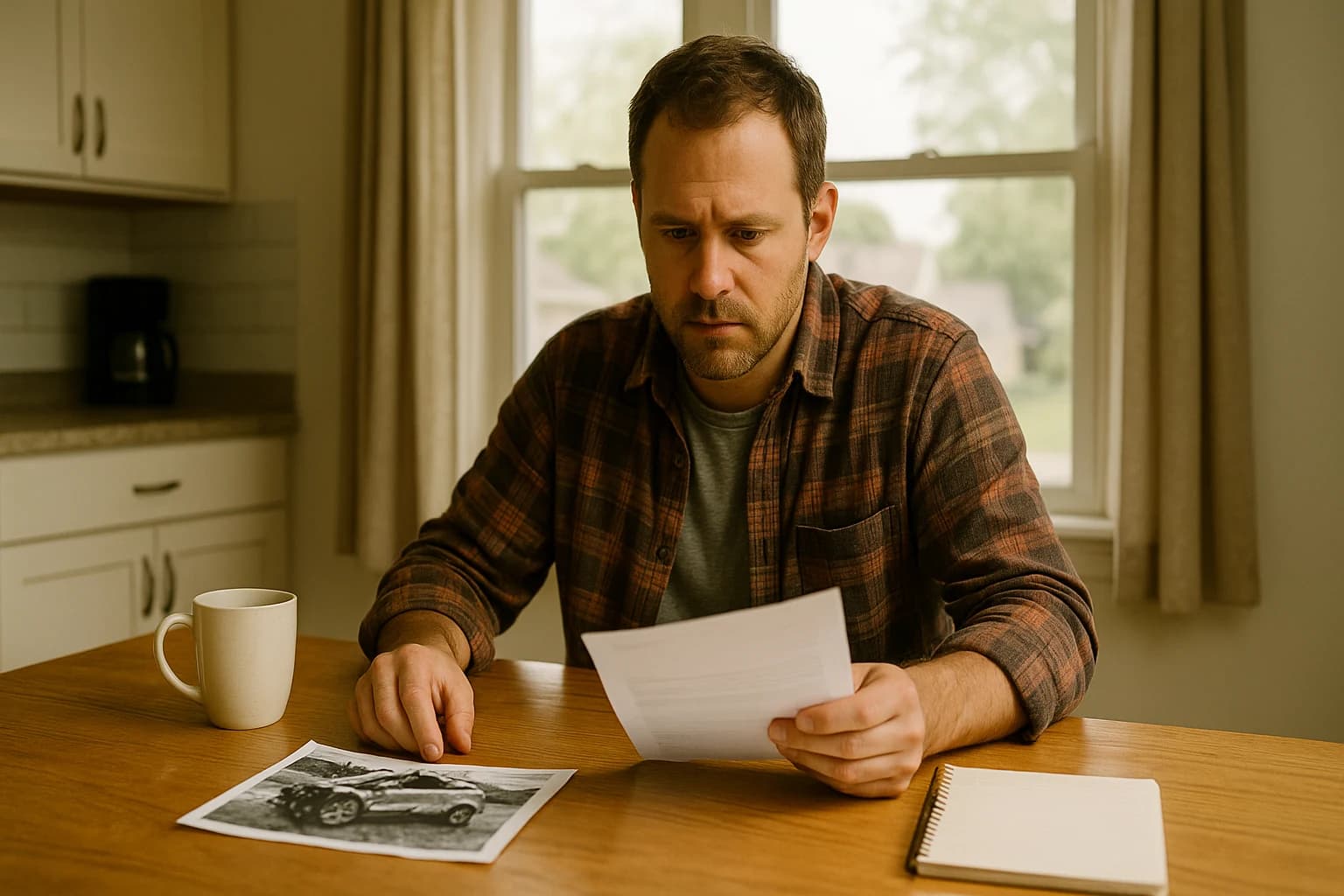
Picking a Fort Wayne car accident attorney is not a vibe check. It is a short list of concrete questions you can ask in a free consultation, and a handful of answers that should make you walk out the door. Here is the practical guide, written from the other side of fifteen years of Allen County injury cases.
Why Choosing the Right Lawyer in the First Two Weeks Matters
Most of the damage to a Fort Wayne car accident claim is done in the first two weeks, before anyone has hired counsel. Recorded statements get given. Medical-records releases get signed. The at-fault carrier opens a "PIP" or "MedPay" file under the claimant's own policy and starts billing back. Surveillance video from the gas station at the corner of Coliseum and Parnell gets overwritten on a 14-day loop. Witnesses who saw the crash on Lima Road forget which lane the truck came from.
The lawyer you pick decides whether those things happen to your case or for your case. A firm that returns calls in three days, signs you up with a paralegal, and hands you off to a litigation team six months later is going to miss the early evidence window. A firm where the attorney calls you back the same afternoon and sends a preservation letter to the trucking company before the dashcam clip gets recycled is on a different timeline. The difference shows up in the settlement, not in the marketing. You can use our Indiana car accident settlement calculator to organize the factors that may affect a claim’s value; it is an educational tool, not a promise of any result.
What an Indiana Car Accident Claim Actually Involves
Before you can pick the right lawyer, it helps to know what you are picking them for. An Indiana auto-injury claim has four moving pieces, and the lawyer touches all of them:
- Liability. Who caused the crash, and what evidence proves it. Police report, scene photos, vehicle damage, witness statements, sometimes a reconstruction expert.
- Damages. What the crash cost you: medical bills, future care, lost wages, lost earning capacity, pain and the impact on your life. The carrier will fight every line.
- Insurance coverage. The at-fault driver's policy limits, your own underinsured/uninsured motorist coverage, MedPay, health insurance subrogation, and (sometimes) a commercial or umbrella policy stacked on top.
- The clock. The two-year statute under IC § 34-11-2-4[1]. Plus the 180-day Tort Claims notice (IC § 34-13-3-8[2]) if a city or county vehicle was involved.
Most disputes are not really about liability. They are about damages: did the herniated disc come from the crash, or was it already there. Did the back pain require six months of therapy, or two. Could you go back to work at the warehouse on light duty, or did you actually need the time off your treating doctor wrote down. A good Fort Wayne attorney spends ninety percent of the case on damages and ten on liability.
The Seven Things a Good Fort Wayne Car Accident Lawyer Actually Does
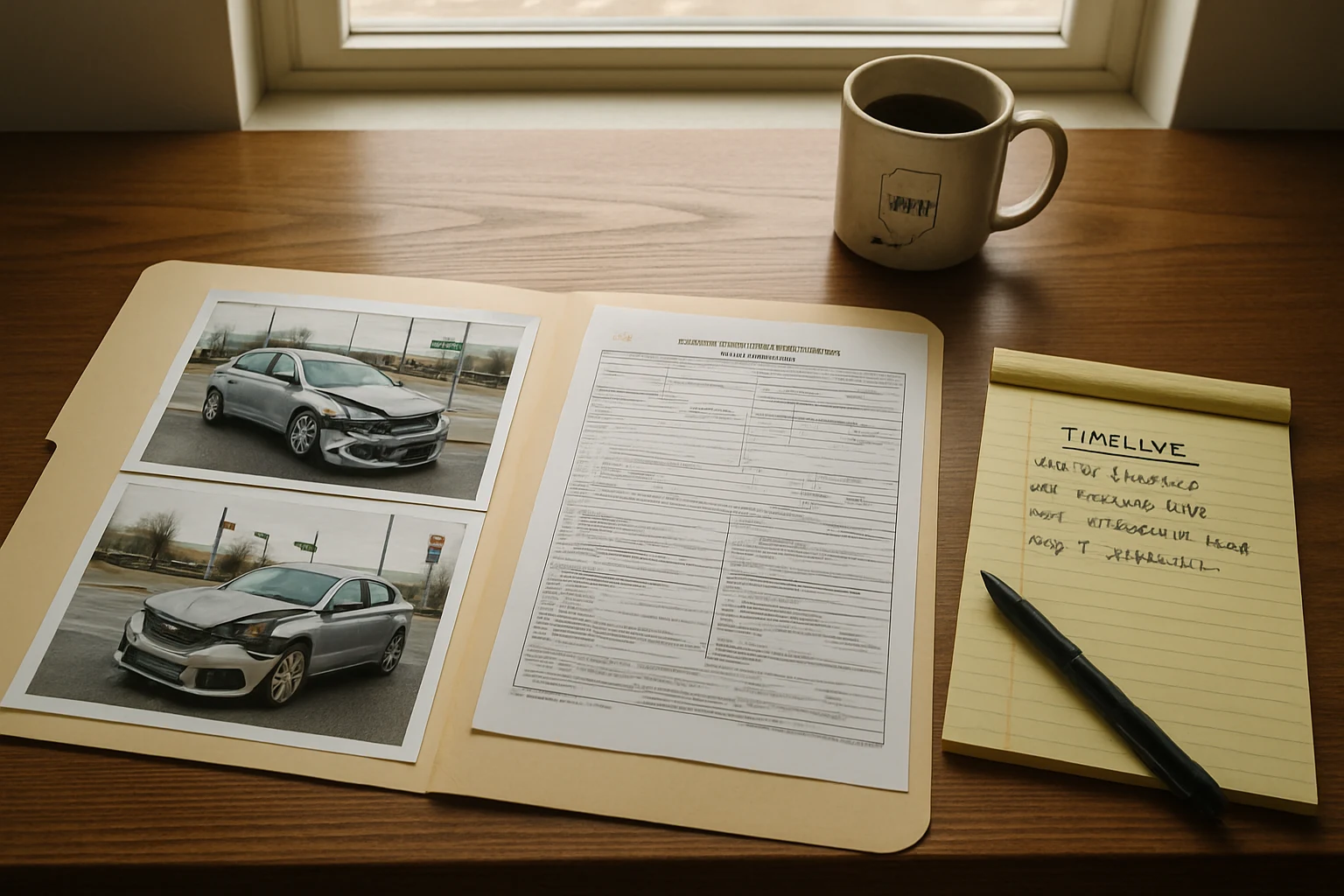
Strip away the website language and the billboard slogans, and a strong injury attorney is doing seven specific things on your case. Ask any candidate to walk you through each one.
1. They take the case themselves, not a screener
When you call the office, the attorney returns the call. When you walk in, the attorney is in the room. Not an intake coordinator. Not a paralegal who has done two months of injury work. The lawyer who will try the case if it goes to trial is the lawyer who hears your story on day one. In Fort Wayne, this is the line that separates volume firms from real injury practices.
2. They handle injury law, not "a little of everything"
Indiana personal-injury law is a specialty. A general practitioner who does some divorces, some real-estate closings, and a few car wrecks a year cannot keep up with current case law on subrogation, lien resolution, and the modified comparative-fault rule under IC § 34-51-2-6[3]. Ask: what percentage of your practice is personal injury, and how many car-crash cases did you close last year.
3. They preserve evidence in the first 30 days
Within thirty days of being hired, a good attorney has: ordered the police report from crashdocs.org[4], sent a spoliation letter to the at-fault driver and any commercial defendant, requested any nearby surveillance footage, photographed the vehicle before it is repaired or auctioned, and asked the responding officer for body-cam footage. If they are still waiting in month three, they are losing evidence.
4. They know the Indiana fault rule cold
Indiana is a modified comparative-fault state. Recover nothing if a jury finds you 51% or more at fault. Recover proportionally less if the jury finds you between 1% and 50% at fault. Carriers exploit this by inflating your share of fault on every claim. A good lawyer prepares for that fight from the first witness interview.
5. They build the case as if it is going to trial
Most cases settle. The ones that settle for fair value are the ones the carrier believes will actually be tried. A lawyer who has never tried a car-accident case in Allen County Superior Court is at a structural disadvantage with the carriers, who track which firms file and which fold. Ask: when was your last jury trial.
6. They settle when it is right, file when it is not
A settlement is not a failure and a lawsuit is not a virtue. The question is leverage. If the carrier is offering fair value at month nine, take it. If they are dragging the file and counting on month-twenty-three desperation, file the complaint in month twelve. Either way, the decision belongs to you, with clear written advice from your attorney.
7. They put the fee agreement in writing, in plain English
Indiana injury cases run on contingency. The standard contingency in Fort Wayne is 33 1/3% of the gross recovery if the case settles before suit is filed, with a step-up to 40% if suit is filed (sometimes higher if the case is tried). Costs (filing fees, depositions, expert witnesses, medical-record charges) are separate and are typically advanced by the firm. Every number should be on one page, in plain language, with examples.
Red Flags to Walk Away From


Some signs do not require a law degree to read. If you see any of these in the first consultation, keep looking.
- You meet with a "case manager," not the attorney. The attorney shakes your hand for two minutes and disappears. This is the volume model. Your case will be one of a thousand.
- They promise a specific dollar result. No honest Indiana injury attorney can do this before reviewing the medicals, the policy limits, and the liability evidence. A promise is a sales pitch, not a legal opinion.
- They push you to sign the fee agreement before you have read it. "Just sign this so we can get started" is a sentence to walk out on.
- They tell you not to see your own doctor. A good attorney supports your treatment with whoever you choose, including your primary care physician and any specialist they refer you to.
- They have never tried a jury case in Allen County. If the answer is "we settle everything," ask why. Sometimes that is honest specialization. Often it means the carriers know they will not be sued.
- They cannot explain the Tort Claims Act notice deadlines. If a Fort Wayne city plow or Allen County deputy was involved, the 180-day notice under IC § 34-13-3-8[2] is non-negotiable. A lawyer who has not heard of it is the wrong lawyer.
The Indiana Statute of Limitations You Cannot Negotiate
Two years from the date of the crash. That is the rule under IC § 34-11-2-4[1]. If a lawsuit is not on file by the two-year anniversary, the claim is gone. No appeal, no exception, no "but the carrier was negotiating in good faith." Negotiation does not stop the clock. Mailing a demand letter does not stop the clock. Filing a property-damage claim does not stop the clock. Only a complaint filed in court stops it.
If a government vehicle is involved, the clock is much shorter. A Fort Wayne sanitation truck, an Allen County sheriff's cruiser, an INDOT plow on I-69, a school bus in DeKalb County: every one of these triggers the Indiana Tort Claims Act. The notice deadlines are 180 days for political subdivisions (IC § 34-13-3-8[2]) and 270 days for the State of Indiana (IC § 34-13-3-6[5]). Miss the notice and the case dies inside the regular two-year window. A lawyer who does not raise these deadlines in the first consultation does not understand the territory.
How Delventhal Law Office Handles a Fort Wayne Auto Case

At Delventhal Law Office, every car-crash case is handled by Chad directly. There is no intake screener, no paralegal funnel, no junior associate who will inherit the file at month nine. The same attorney who answers your first call is the attorney who sits at the deposition, drafts the demand letter, and tries the case if it has to be tried.
The first thirty days run on a fixed checklist: police report ordered, treating providers contacted, all surveillance video preservation letters sent, the vehicle photographed and the data download requested if applicable, the at-fault carrier put on notice in writing, and the underinsured-motorist position on your own policy confirmed. By month two, the case is fully built, even if settlement talks are months away.
If a city, county, or state vehicle was involved, the Notice of Tort Claim goes out inside the first thirty days. That is not a deadline to flirt with. Chad has been admitted to the Indiana State Bar since 2008 and has handled injury cases in Allen, DeKalb, Whitley, Adams, Wells, Huntington, and Noble counties. One direct line, twenty-four hours a day. No call centers.
FAQs About Hiring a Fort Wayne Car Accident Attorney
How much does a Fort Wayne car accident attorney cost upfront?
Nothing. Indiana personal-injury work is done on contingency. You pay no attorney fee unless the case recovers money. The standard fee is one-third of the gross recovery if the case settles before suit is filed, with a step-up if a lawsuit is filed. Costs (filing fees, expert witnesses, depositions) are advanced by the firm and reimbursed from the recovery.
Will I have to go to court?
Most car-accident cases settle. The ones that settle for fair value are usually the ones where the carrier knows the lawyer will file. Filing a complaint does not mean a trial; many cases settle after suit and before a jury is selected. If your case does go to trial, that decision is made with you, in writing, with a clear analysis of what the carrier is offering.
How long does an Indiana car accident case take?
A simple soft-tissue case with clear liability can settle in six to twelve months. A case involving surgery, disputed liability, or a commercial vehicle can take eighteen to thirty months. The driver of the timeline is medical: a settlement before you reach maximum medical improvement undervalues every future bill.
Can I switch attorneys after I have already hired someone?
Yes. You can change Indiana counsel at any time. The original firm is entitled to a lien for the work they have actually done, but the fee total is capped at the original contingency, so you do not pay twice. If you are not being called back, or you are not getting the attorney's direct attention, switching early is reasonable.
What if I was partly at fault for the crash?
Under IC § 34-51-2-6[3], you can still recover as long as a jury would find you 50% or less at fault. Your recovery is reduced by your share. So a $100,000 case with 20% fault on you returns $80,000. The carrier will push to inflate your percentage; that is one of the main fights in any Allen County injury case.
Should I give the other driver's insurer a recorded statement?
No, not until you have spoken with counsel. You are not required to give one. A recorded statement is the single most common way Fort Wayne injury claims get devalued before they ever start. Politely decline; tell them your attorney will be in touch.
Talk to a Fort Wayne Car Accident Attorney Today
If you have been hurt in a crash in Allen County, DeKalb County, Whitley County, Adams County, or anywhere in Indiana, the right attorney is the one who answers the phone, builds the case in the first thirty days, and is willing to file if the carrier will not pay fair value. Delventhal Law Office does free, no-obligation case evaluations, and the consultation is with Chad directly, not a screener.
Call (260) 484-6655, contact us online, or schedule a free case evaluation. The first conversation costs nothing and usually answers more than you expect. The clock under IC § 34-11-2-4[1] is already running.
Talk to a Fort Wayne car accident attorney. Hurt in a Fort Wayne car accident? Our Fort Wayne car accident attorneys handle Allen County crash claims from rear-end fender benders to fatal rollovers.