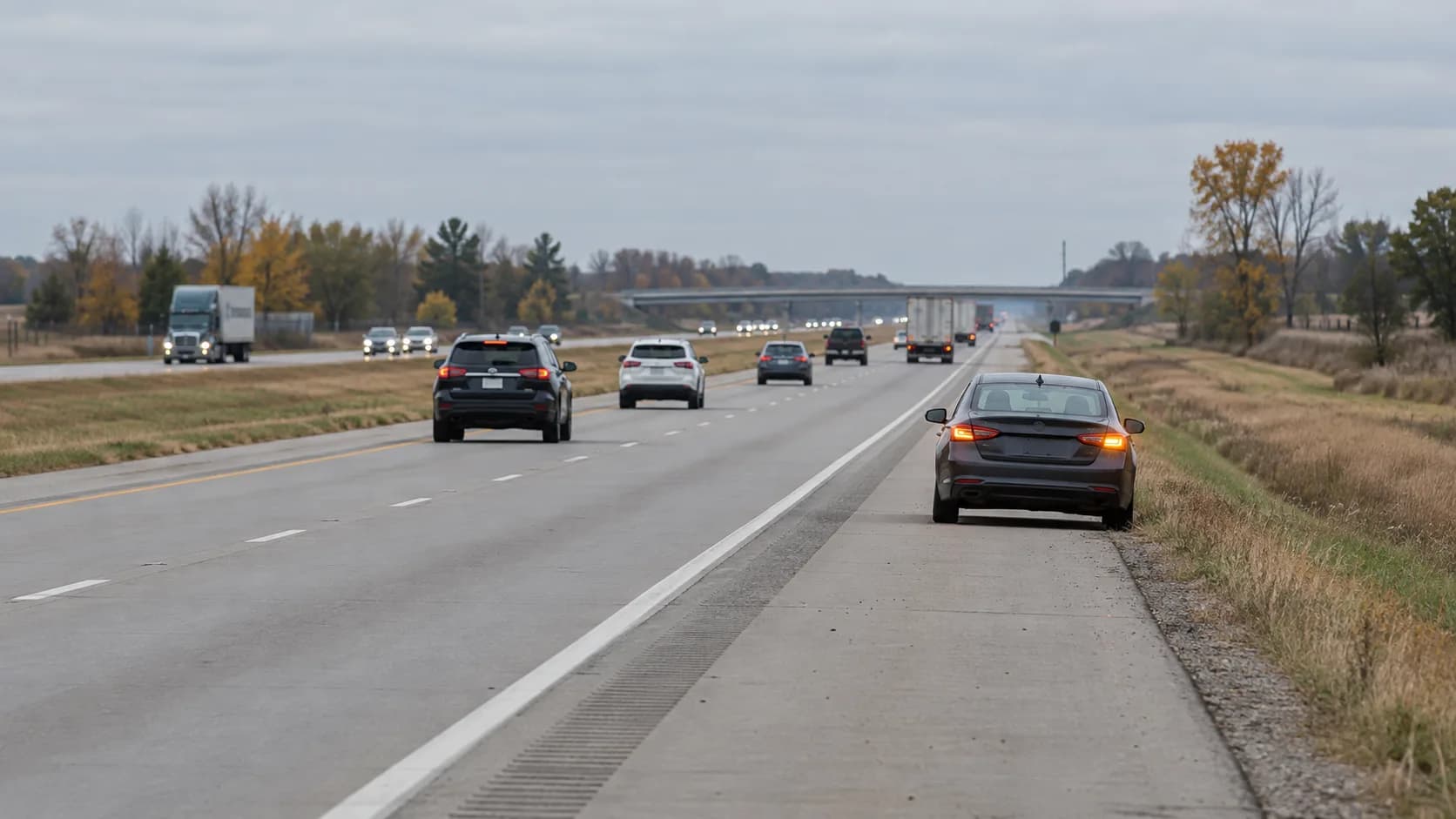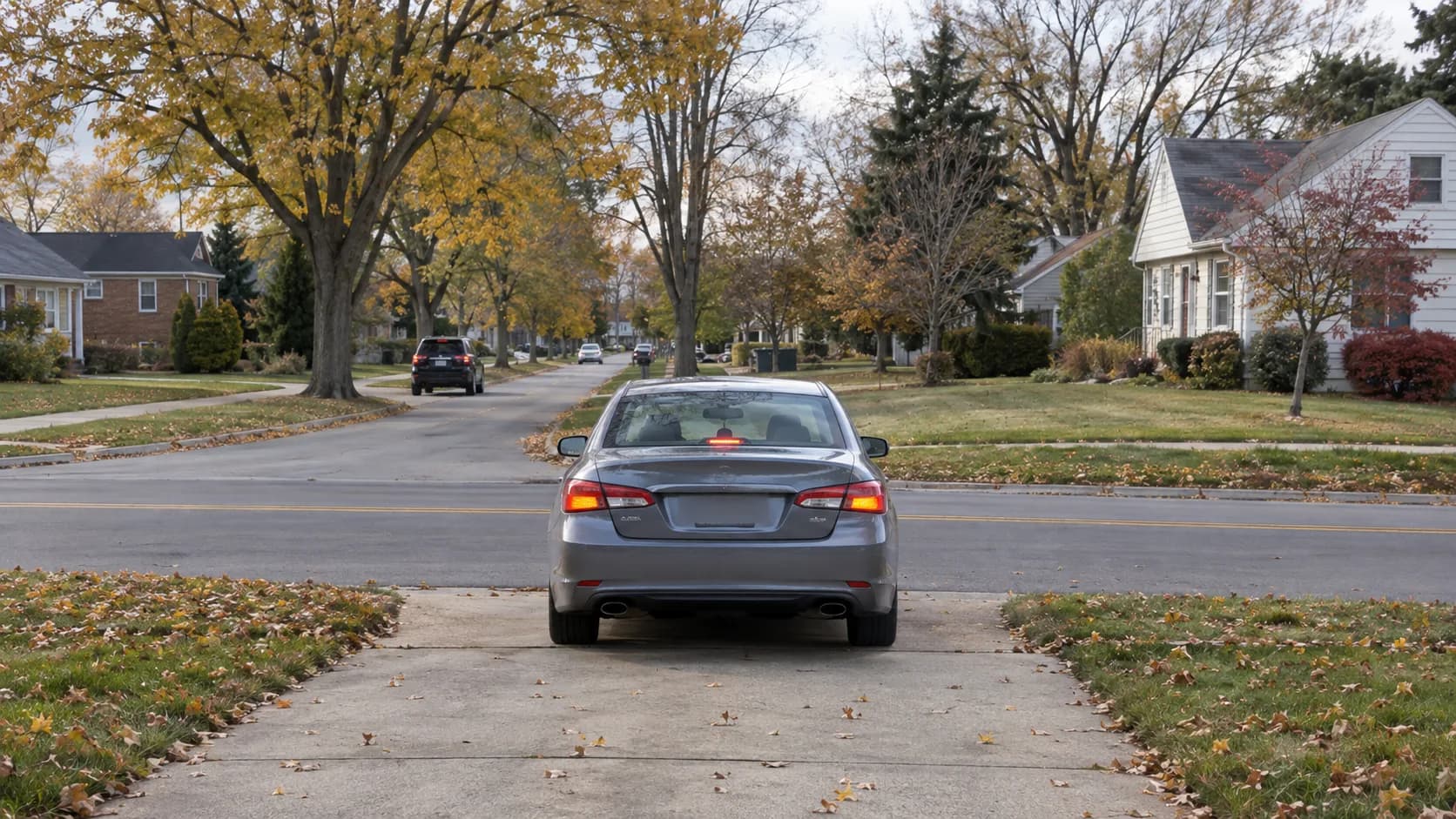
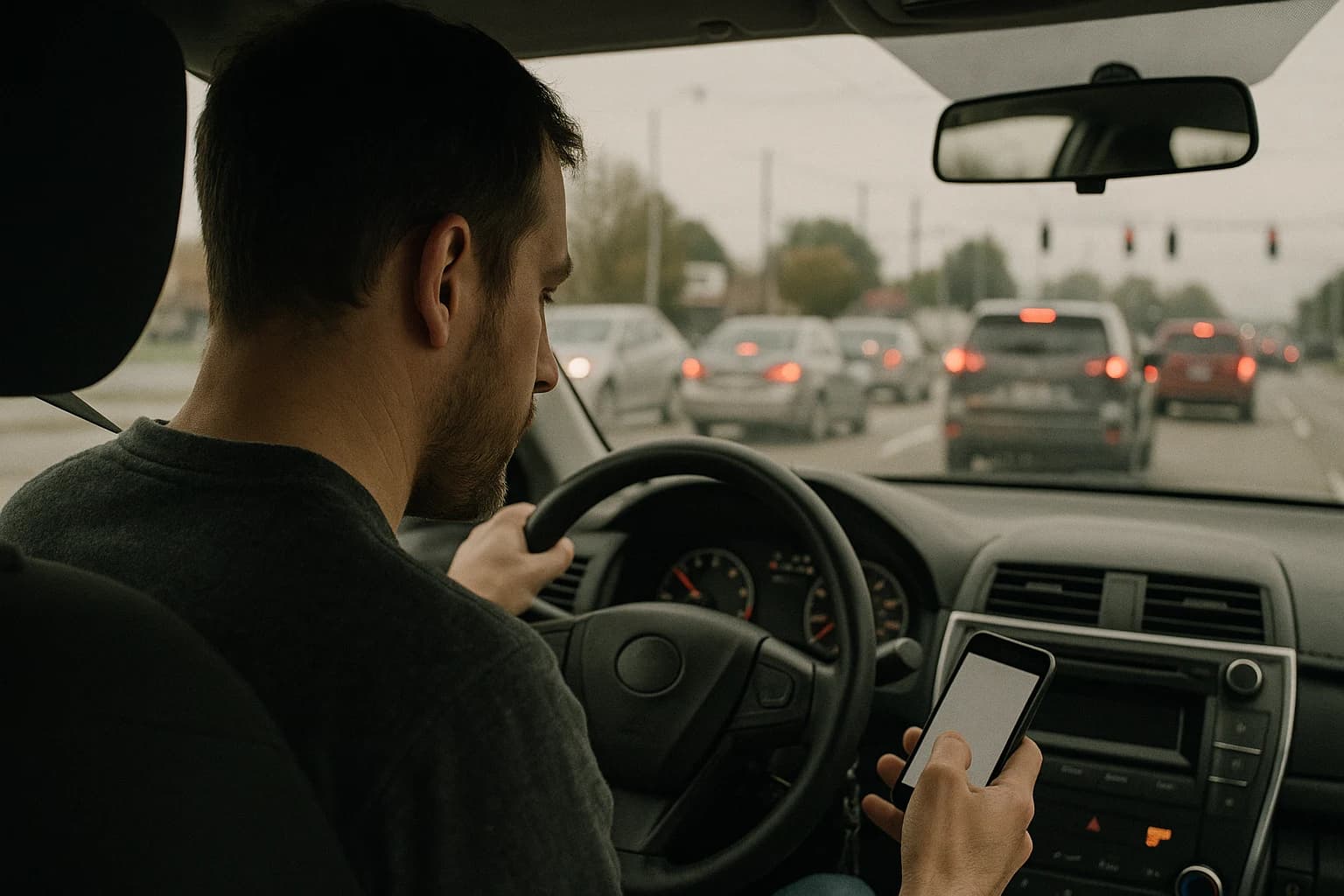
Indiana’s hands-free law has been on the books since July 2020. Enforcement is mixed. Compliance is worse. The crashes keep coming. This article is about what Indiana law actually says, how a phone-related crash case gets proved in court, and what to do if you were the one rear-ended while the at-fault driver was scrolling.
What Indiana’s Hands-Free Law Actually Says
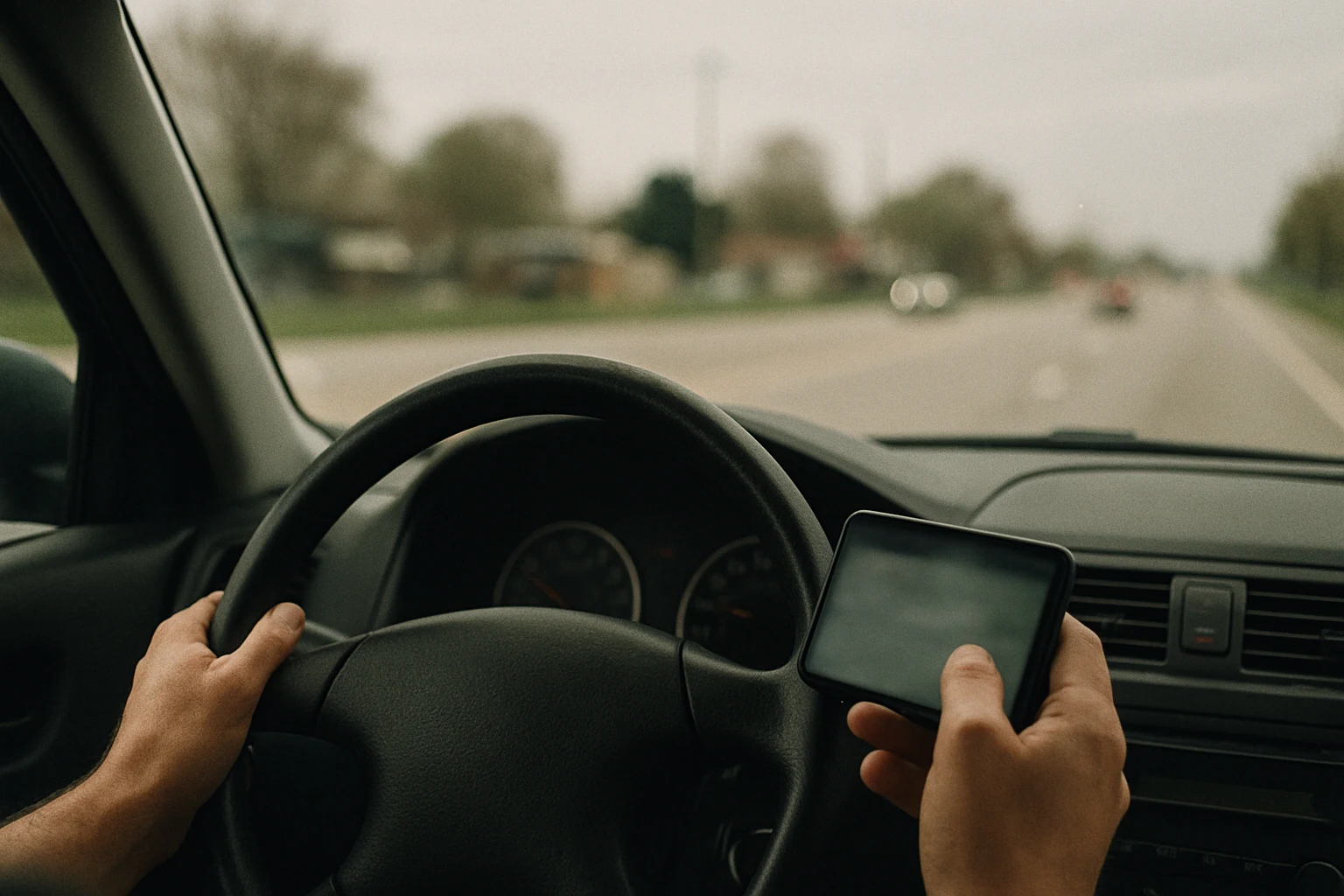
Indiana’s law took effect July 1, 2020. The statute prohibits a driver from holding or using a mobile telephone or other handheld telecommunications device while operating a moving motor vehicle. The exceptions are narrow:
- Use of a hands-free system (Bluetooth, voice command, dashboard integration) is permitted
- A single touch to activate or deactivate a hands-free feature is permitted
- Calls placed to 911 to report an emergency are permitted
- Use by a driver who is parked, with the vehicle out of the lane of travel, is permitted
The law applies to all drivers, of all ages, in all vehicles. It is a primary offense, which means a police officer can pull you over solely for holding a phone. The fine increases with each violation. More important for civil cases, a violation creates a strong inference of negligence.
The earlier Indiana texting ban (a separate, narrower law that prohibited texting while driving but allowed other phone uses) is still on the books but has been functionally superseded by the broader hands-free statute. The relevant law for any crash after July 2020 is the hands-free statute.
Why Phone Use Behind the Wheel Is So Dangerous
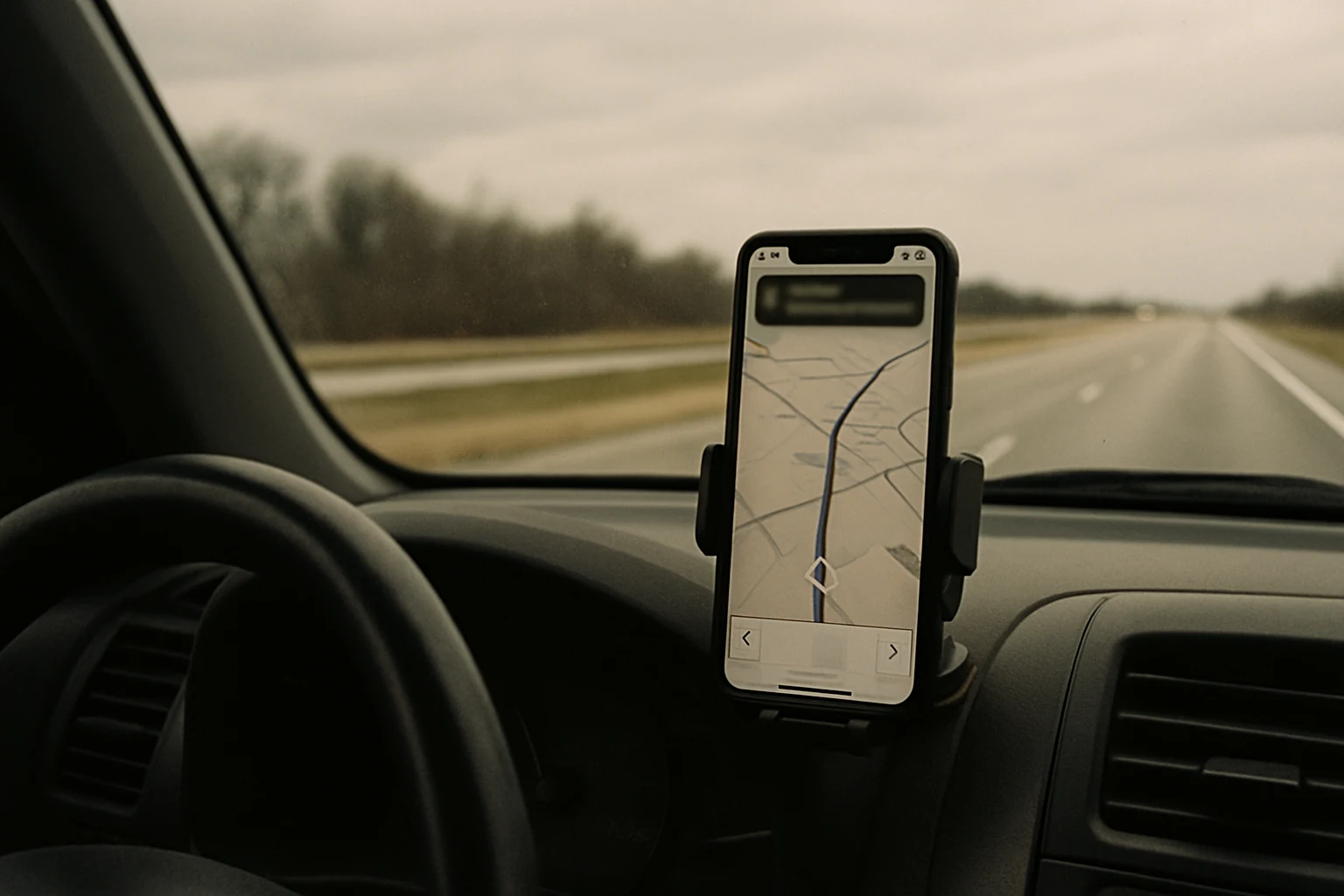
Distracted driving research breaks the problem into three kinds of distraction: visual (eyes off the road), manual (hands off the wheel), and cognitive (mind off the task). Texting hits all three. A driver reading a text at 55 mph who looks down for five seconds covers more than a football field without seeing it.
The cognitive piece matters even with hands-free use. A driver having a phone conversation, even with both hands on the wheel and eyes on the road, has measurably reduced situational awareness. Studies of brain activity show the same pattern. Hands-free is safer than handheld, but it is not the same as undistracted.
Other forms of in-vehicle technology contribute to the same problem. Touch-screen infotainment systems require glances away from the road that, depending on the design, can be as long as those required for texting. Adjusting climate controls, navigation, or audio settings through a touch interface has been shown to delay reaction times comparable to a 0.08 blood alcohol level.
How a Texting and Driving Case Gets Proved
The at-fault driver is not going to admit phone use, at least not after the adrenaline of the scene wears off. The case has to be built from outside evidence, which is where an experienced Fort Wayne distracted driving lawyer makes the difference. The categories that build a phone case:
- Phone records. Cell carriers retain detailed records of call, text, and data activity. With a subpoena during litigation, the records show the second-by-second activity on the phone at the time of the crash. A text sent ninety seconds before impact is hard to explain.
- App data. Messaging apps, navigation apps, and social-media apps keep their own logs. A subpoena can sometimes reach these directly through the platform.
- Vehicle telematics. Modern cars store data on speed, braking, steering, and accelerator inputs in the “event data recorder.” A drive with no brake input before impact is consistent with the driver not having seen the obstacle.
- Witness statements. Other drivers on the road frequently see the at-fault driver looking down for an extended period. Witnesses found early and interviewed before the memory fades become powerful evidence.
- The at-fault driver’s statements. At the scene, drivers often say something like “I looked down for a second” before they understand the legal weight of the words. The responding officer puts it in the report.
- Social media. A driver who posted a story or sent a snap from the wheel is a different problem. The post is the evidence.
Phone-record subpoenas have to be issued through formal discovery, after a lawsuit is filed. That is one of the reasons phone-related cases often need to be in litigation, not stuck in pre-suit negotiation. The carrier knows that voluntary production of phone records is not going to happen, and they will play the records as a bluff if a case sits in negotiation forever.
Negligence Per Se: When the Statute Decides the Case
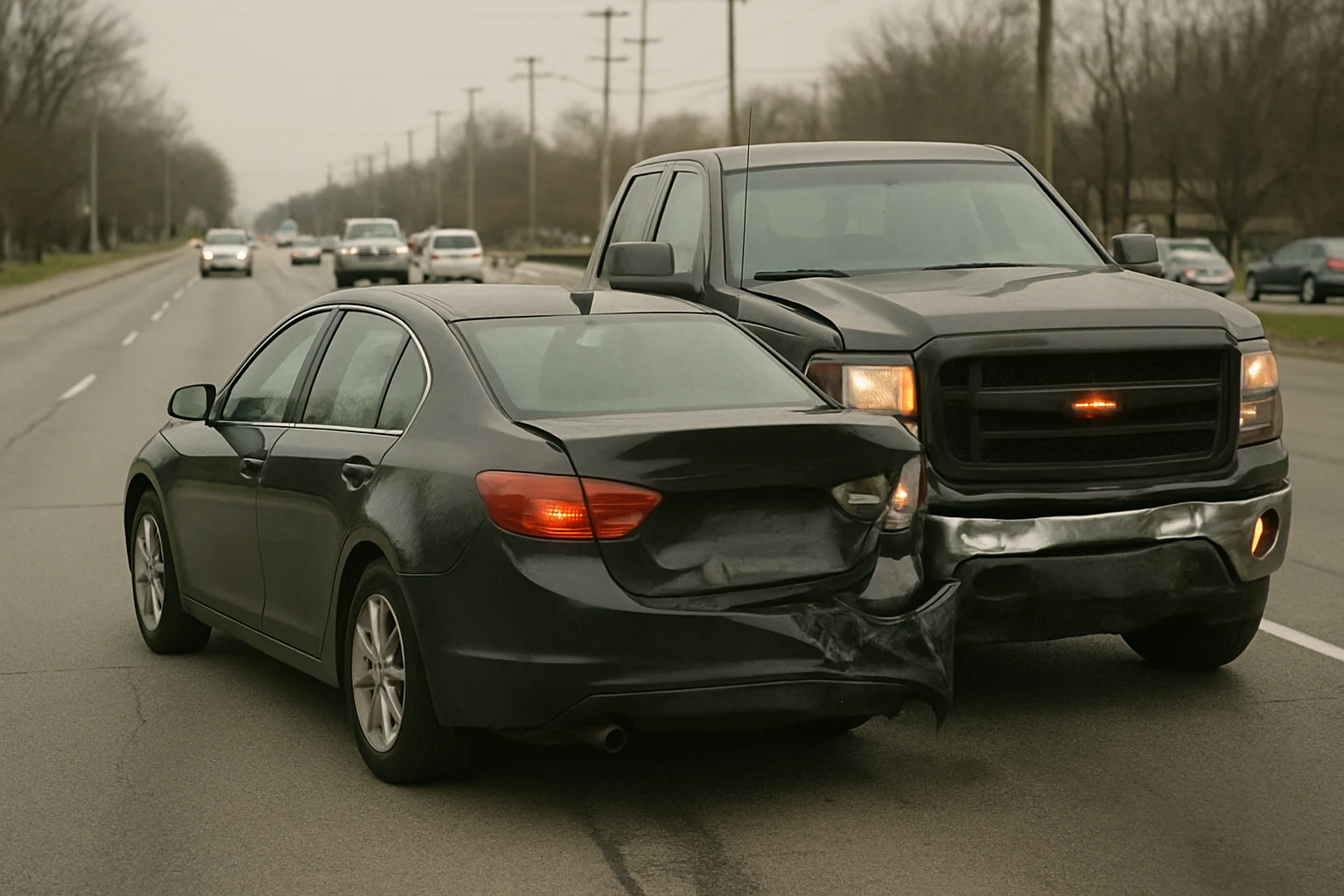
Indiana recognizes the doctrine of “negligence per se.” When a statute is designed to protect a class of people, and a defendant violates the statute, and the violation causes harm to a member of the protected class, the violation itself can establish negligence as a matter of law. The plaintiff still has to prove causation and damages, but the breach element is essentially decided by the statute.
Indiana’s hands-free law is exactly the kind of statute that supports negligence per se. The statute was passed to protect other road users from distracted drivers. The class of people protected includes drivers, passengers, pedestrians, and cyclists. When phone records show the at-fault driver was holding the phone at the moment of impact, the legal question becomes much simpler. The case turns from “was the driver paying attention?” (a fuzzy question) to “did the phone records show use?” (a factual one).
That shift changes settlement value. Insurance carriers price negligence-per-se cases differently than they price ordinary negligence claims. The defense has fewer arguments. The case looks more like an inevitable plaintiff’s verdict, and the carrier is more willing to pay fair value rather than gamble at trial.
Comparative Fault and the Distracted Plaintiff
Indiana’s modified comparative fault rule under IC § 34-51-2-6[2] applies to texting cases too. If the injured driver was also on a phone, also speeding, or otherwise contributed to the crash, the jury assigns percentages. As long as the injured driver is 50% or less at fault, there is still a recovery, reduced by the percentage. At 51% or more, there is no recovery.
The defense will look for the plaintiff’s phone records too. If you were not on your phone, those records help you. If you were, they will be used against you. The honest assessment of fault, including any phone use of your own, is part of the case evaluation.
What to Do at the Scene of a Suspected Texting Crash
If you were rear-ended, T-boned, or otherwise hit by a driver you suspect was on a phone, the actions you take in the first minutes affect the case more than anything that happens later.
- Tell the responding officer what you saw. “The driver was looking down at her lap right up until the impact.” That goes in the report. The report becomes the foundation of the claim.
- Note where the phone is in the vehicle. If the phone is on the passenger seat or in the driver’s hand when you walk up, you have a fact that matters.
- Photograph the interior of the other vehicle if you can see it. A phone on the seat, an open texting app on the dashboard mount, an open laptop, anything visible through the window.
- Identify witnesses. Other drivers who pulled over may have watched the at-fault driver weaving or looking down for miles. Get their names and phone numbers.
- Do not give a recorded statement to the other driver’s insurance company. You are not required to. Tell them you will respond through counsel.
How Delventhal Law Office Builds Phone-Use Cases
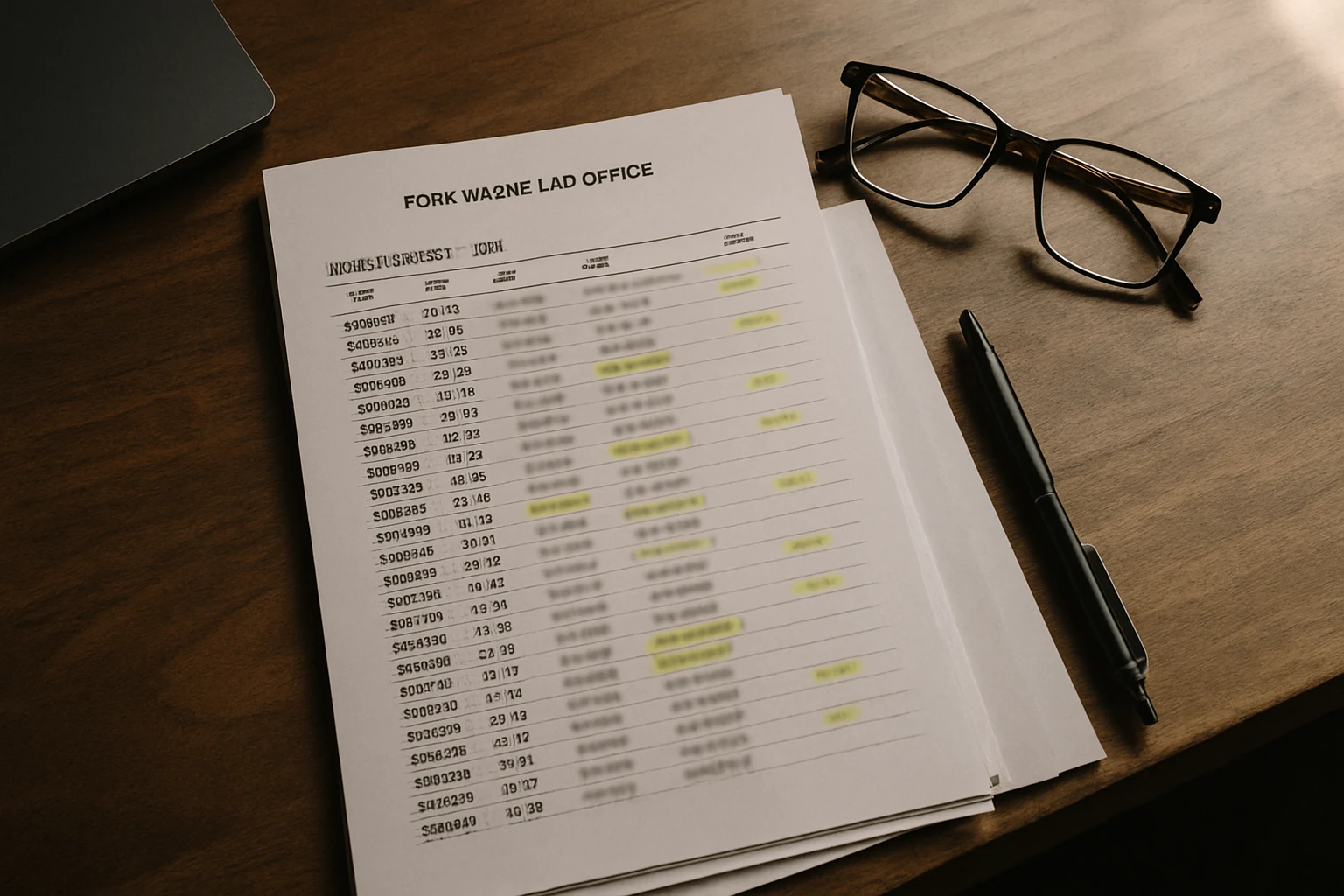
The phone-records subpoena is the most important step in a distracted-driving case, and it has to be done early. Cellular carriers do not retain detailed activity logs forever. Some retain rolling windows of seven months; some longer; almost none retain detailed records indefinitely. A demand letter sitting on an adjuster’s desk for fourteen months is a demand letter that is going to be answered with “the records are gone.”
At Delventhal Law Office we send preservation letters in the first week, identifying the carrier, the phone number, and the date of the crash. If voluntary preservation fails, we file suit early and subpoena the records through formal discovery. The same applies to app providers, vehicle telematics, and any in-cab dashcam systems that may have recorded the moment of impact.
The case investigation often turns up things the adjuster never disclosed. Social-media posts. Prior tickets for phone use. Employer policies the driver violated. Each piece of evidence sharpens the case and shifts the negotiating leverage.
Every case is handled by Chad directly. Contingent fee. No recovery, no fee.
Frequently Asked Questions
Is the at-fault driver automatically liable if the phone was in their hand?
Liability still requires proof that the phone use caused the crash. Negligence per se gets you most of the way there if the statute was violated, but the defense can still argue the crash would have happened anyway. In practice, a violation plus a rear-end impact is a strong combination.
Can I get the other driver’s phone records?
Yes, but only through formal discovery in a lawsuit. The insurance company will not produce phone records voluntarily. Preservation letters sent early help ensure the records still exist by the time a subpoena issues.
What if I was also on my phone?
Indiana’s comparative fault rule still allows recovery if you are 50% or less at fault. Be honest with your attorney early so the case can be evaluated realistically. Phone records cut both ways.
Is hands-free use safe?
Safer, not safe. Hands-free is legal under Indiana law, but research consistently shows it still reduces situational awareness compared to undistracted driving. A driver causing a crash while on a hands-free call can still be liable; the legal advantage of hands-free is mostly that it avoids the statutory violation.
How long do I have to file a texting-related crash claim?
Two years from the date of the crash under IC § 34-11-2-4[1]. If a government vehicle was involved, the Tort Claims Act notice deadlines (180 or 270 days) apply and are much shorter.
What if the at-fault driver was working at the time of the crash?
The employer may share liability under respondeat superior. Some employers have explicit policies against phone use while driving, which can support a separate claim for negligent supervision if the policy was ignored or unenforced.
Hit by a Distracted Driver? Call a Fort Wayne Car Accident Attorney
Phone-use cases are won and lost in the first ninety days. The records exist now and may not exist later. The witnesses remember now and will forget later. The carrier’s position hardens fast, and once they have heard the at-fault driver’s story, they will not change it without pressure.
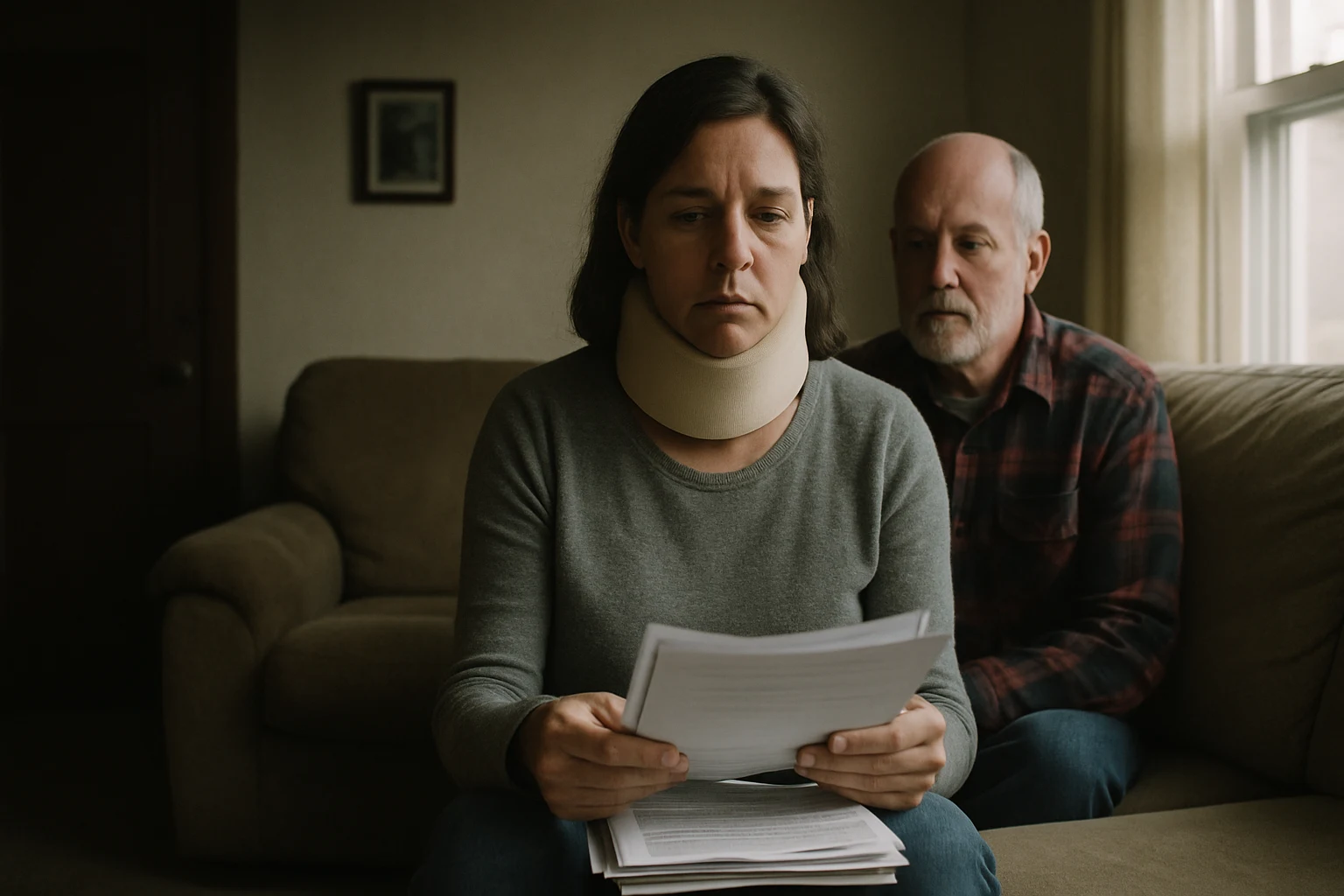
If you were rear-ended, T-boned, or sideswiped by a driver you believe was on a phone, talk to Delventhal Law Office while the evidence is still available. The consultation is free, no obligation, and you are talking to Chad directly. Call (260) 484-6655 or contact us online to schedule a free case evaluation.