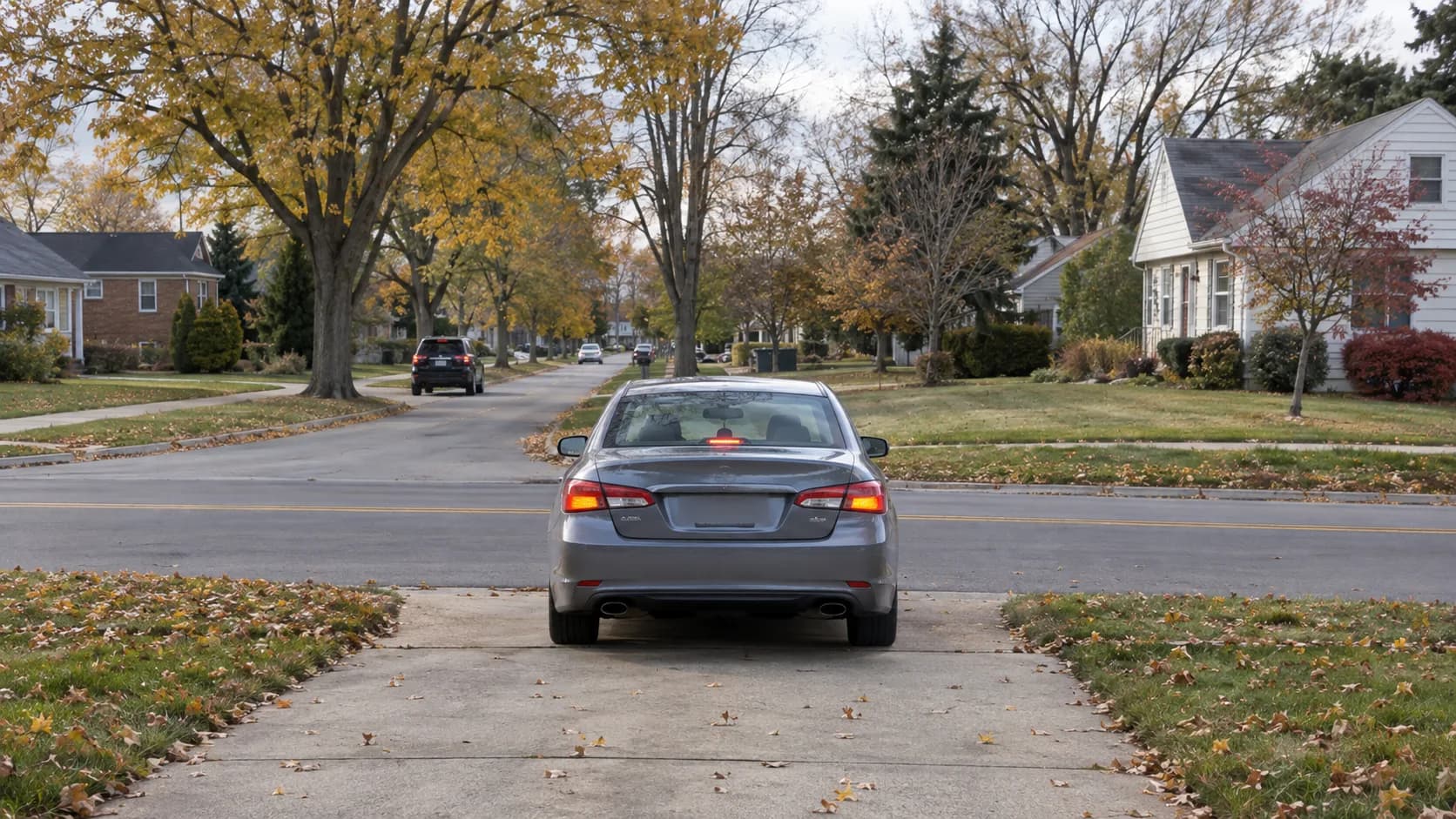

This article walks through the catastrophic injuries that most often follow a Fort Wayne or Allen County crash, what each costs to treat and to live with, and how a serious-injury claim differs from a routine fender-bender.
Traumatic Brain Injury (TBI)

Traumatic brain injury covers everything from a mild concussion to severe diffuse axonal injury. In car crashes, TBI happens two ways: a direct impact to the skull (the head striking the steering wheel, door post, or window) and acceleration-deceleration forces that cause the brain to move inside the skull. A driver does not have to lose consciousness to suffer a TBI. The post-crash signs include short-term memory gaps, difficulty concentrating, light or noise sensitivity, persistent headache, sleep disruption, mood changes, and word-finding problems.
Severe TBI often requires intensive care, neurosurgery, and weeks in inpatient rehabilitation. Even moderate TBI commonly leaves lasting cognitive and personality changes. Insurance carriers fight TBI claims hard because many of them do not show clearly on standard CT or MRI, especially the diffuse forms. Diagnostic workup may require neuropsychological testing, DTI imaging, or PET scanning to document the injury objectively.
The damages on a serious TBI claim are large and long. Lifetime care costs alone can run into the millions for a younger victim with permanent deficits, and the loss-of-earning-capacity component is often the biggest single line on the demand. You can use our Indiana car accident settlement calculator to organize the factors that may affect a claim’s value; it is an educational tool, not a promise of any result.
Spinal Cord Injury and Back Trauma
Spinal cord injuries fall on a spectrum, from contusion of the cord (often recoverable) to complete transection (permanent paralysis). The two most common levels in car crashes are cervical (neck) and thoracolumbar (mid to lower back). The functional impact depends on level and severity:
- High cervical injury (C1 to C4) can result in tetraplegia and ventilator dependency.
- Lower cervical injury (C5 to C8) commonly affects arm and hand function while preserving breathing.
- Thoracic injury (T1 to T12) often produces paraplegia with preserved upper-body function.
- Lumbar injury can affect bowel, bladder, and lower-limb function.
Below the cord-level injuries are the lumbar and cervical disc cases. Herniated discs are not as visible as paralysis, but they are extremely common in Fort Wayne rear-end and side-impact crashes. A herniated disc can require epidural injections, ablation procedures, or surgical fusion or disc replacement. The lifetime impact of a single-level fusion in a forty-year-old construction worker is enormous when the case is built properly.
Broken Bones, Pelvic Fractures, and Crush Injuries
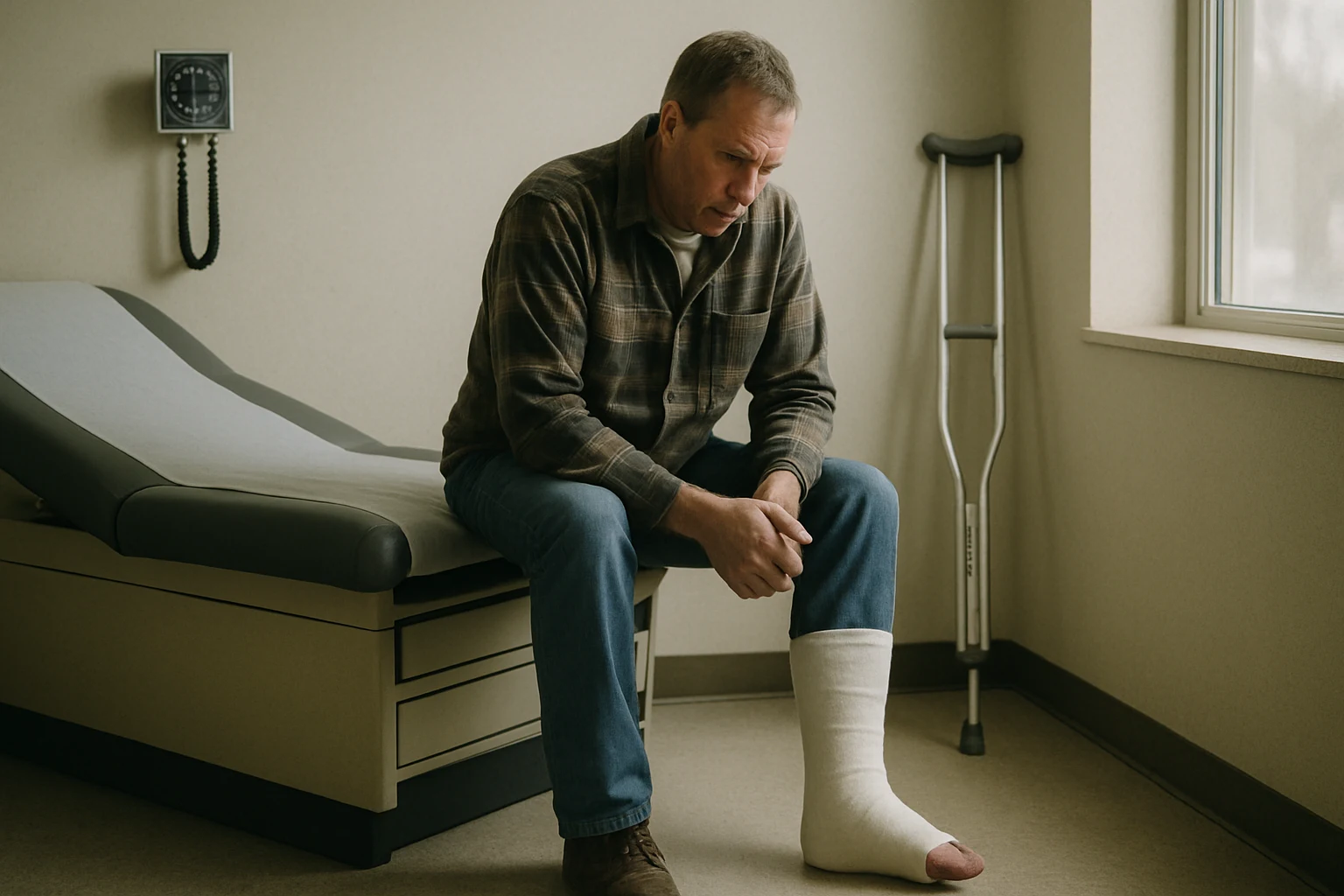
Bone fractures are the most visible serious injury after a high-energy crash. The most common in Allen County emergency departments are:
- Pelvic fractures: high-energy injuries with significant blood-loss risk; often require operative fixation.
- Femur fractures: typically require intramedullary nailing or plating.
- Tibia and fibula fractures: common in driver-side impacts where the legs strike the floorboard.
- Rib fractures: painful for weeks, with pneumothorax and hemothorax risk.
- Wrist and forearm fractures: bracing-on-impact injuries, often surgical.
- Vertebral compression fractures: occur in elderly drivers even at moderate speeds.
Crush injuries to the lower extremities can lead to compartment syndrome, surgical decompression, and in worst cases delayed amputation. Even when bones heal, residual hardware, chronic pain, and reduced range of motion follow many survivors for life.
Internal Organ Damage and Internal Bleeding
The most dangerous injuries from a crash are the ones that hide. A driver may walk out of the wreck and collapse hours later from a slowly bleeding spleen or liver. The seatbelt itself, though it saves lives, can cause:
- Splenic laceration or rupture.
- Liver laceration with hemoperitoneum.
- Bowel injury, especially of the small intestine.
- Pancreatic injury.
- Mesenteric tearing.
- Diaphragmatic rupture.
Blunt aortic injury, though rare, is catastrophic when it occurs and almost always presents in high-speed crashes. Renal contusion is more common and often presents with flank pain and blood in the urine. The principle here is simple: any abdominal or chest pain after a crash, however mild, gets evaluated immediately. Internal bleeding kills more crash victims hours after the wreck than at the scene.
Lacerations, Burns, and Scarring
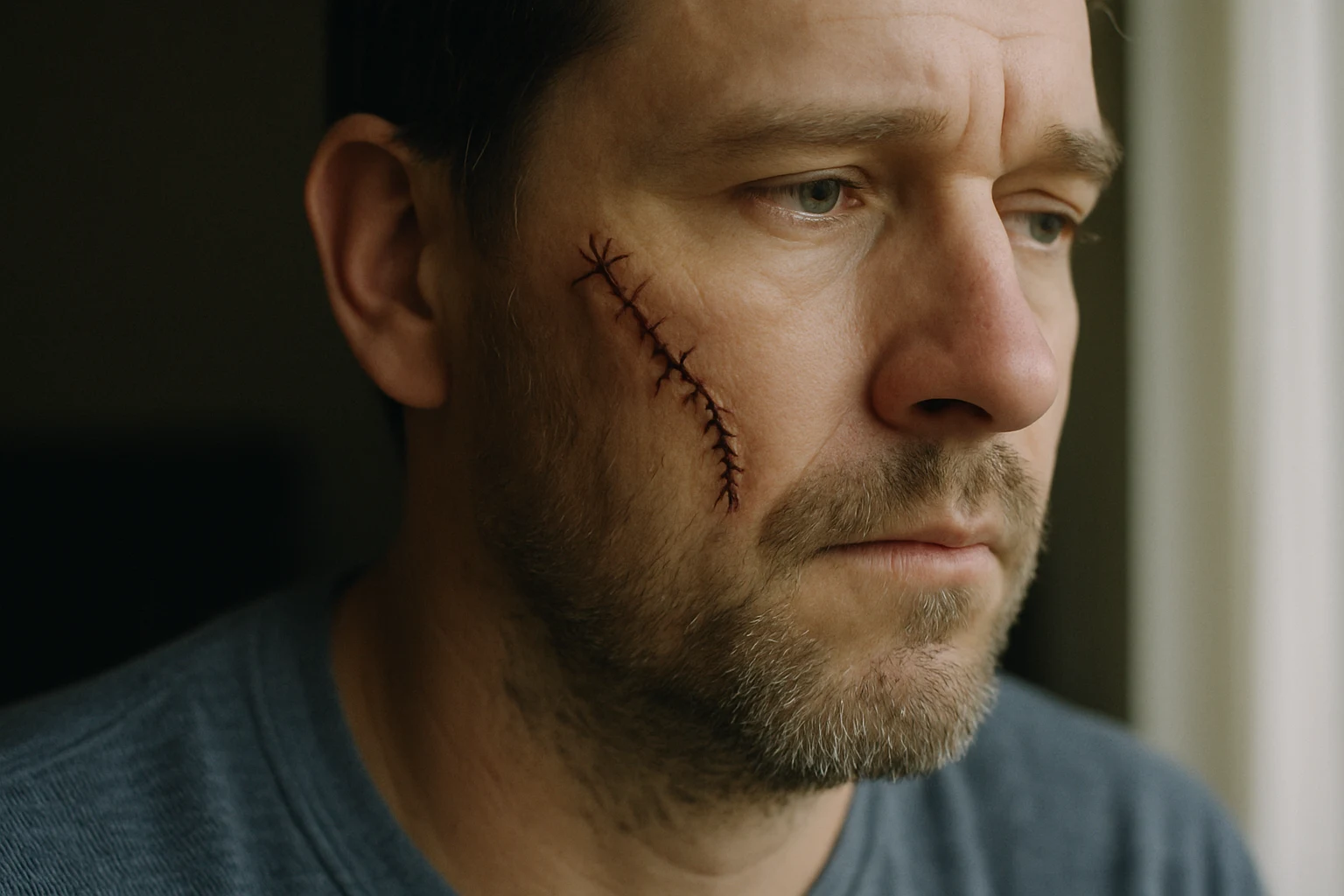
Shattered glass and deployed airbags cause facial and forearm lacerations in most moderate-to-severe crashes. Fire is rare but devastating: a post-crash fuel leak, an engine fire, or a battery thermal event in newer vehicles can produce second and third degree burns that require skin grafting and years of reconstructive care.
The damages component on facial scarring is distinct in Indiana law. Visible permanent disfigurement is a separate element of damages from physical pain, and juries treat it that way. The medical record needs to document not just the laceration repair but the long-term cosmetic outcome, with photographs taken at intervals during the year following the crash.
Post-Traumatic Stress and Other Psychological Injuries
The injuries you cannot see often last the longest. Post-traumatic stress disorder, anxiety, depression, and driving phobia are common after serious crashes, especially those involving fatalities, fire, or extended entrapment. PTSD is recognized as a compensable injury under Indiana law when supported by qualified mental-health evaluation and treatment.
Carriers fight psychological claims because they cannot be imaged. The way to make them stick is treatment with a licensed clinical psychologist or psychiatrist, a documented diagnosis, and consistent therapy. A driver who avoids the intersection where the crash happened, cannot sleep through the night, or has flashbacks behind the wheel has a real injury, and the law treats it accordingly.
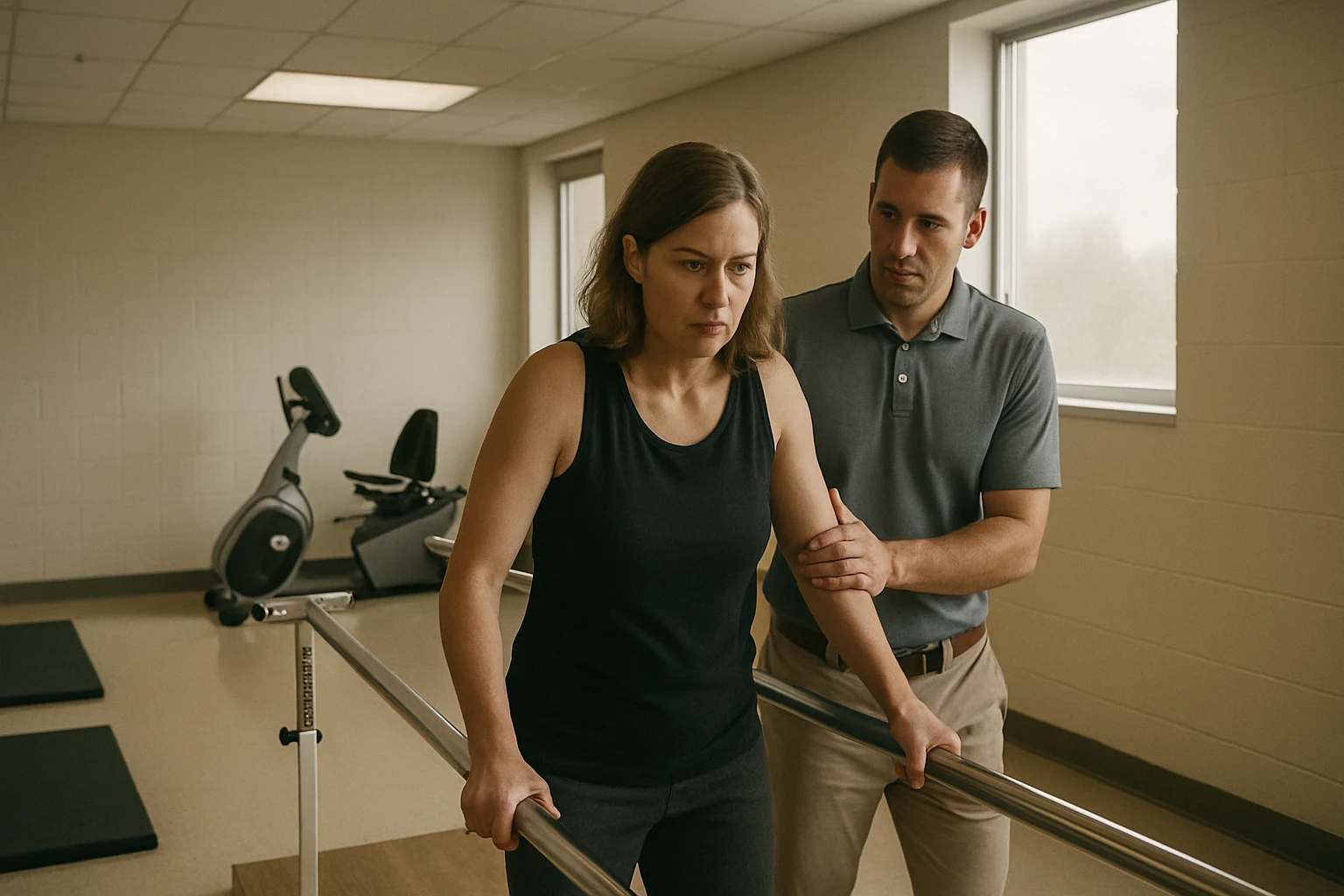
Loss of Limb, Amputation, and Permanent Disfigurement
A small but significant subset of Fort Wayne crash victims face amputation, either at the scene, in the operating room within hours, or weeks later after failed limb-salvage attempts. The medical journey is brutal: stabilization, debridement, revision surgeries, prosthetic fitting, gait training, and lifelong adjustment of the residual limb and the prosthesis itself.
Damages on a limb-loss case stretch over a lifetime. Indiana recognizes the disfigurement component as separate from physical pain, which matters because juries respond strongly to visible loss. A vocational economist's report becomes essential: a roofer who loses a hand cannot return to roofing, and the calculation of lost earning capacity is the largest component of the verdict.
How Serious Injury Claims Differ From Routine Cases
Three things separate a serious-injury case from a routine soft tissue claim:
- Life-care planning. A serious injury requires a written future-medical and future-care projection by a certified life-care planner, factoring in surgeries, medications, durable medical equipment, home modifications, and attendant care over a normal lifespan.
- Economic loss analysis. Loss of earning capacity is calculated by a vocational economist who can show, on the record, what the victim would have earned absent the injury and what they can earn now.
- Policy stacking and underinsured motorist analysis. Most at-fault drivers carry minimum or near-minimum Indiana liability limits. On a serious case, that policy is consumed in the first ten percent of damages. The case lives or dies on additional layers: umbrella policies, commercial coverage, employer vicarious liability, and the victim's own underinsured motorist coverage, which often exceeds the at-fault limits.
Indiana's modified comparative fault rule under IC § 34-51-2-6[3] means even a serious-injury claim can be wiped out if the carrier successfully argues the victim was fifty-one percent or more at fault. That is why early evidence preservation matters even more on catastrophic cases.
How Delventhal Law Office Handles Catastrophic Cases
Serious-injury cases are not template cases. They require an early scene investigation (sometimes the same day, before vehicles are released from the tow yard), a crash reconstructionist on retainer, biomechanics analysis when the carrier argues the impact could not have caused the injuries, and treating-physician depositions while memory of the patient is fresh.
Every case is handled by Chad directly. Indiana State Bar. Years of catastrophic injury work in Fort Wayne, Allen County, DeKalb County, Whitley County, Adams County, Wells County, and across Indiana. Clients reach Chad twenty-four hours a day, seven days a week. No screener.
FAQs About Serious Car Accident Injuries
What injuries qualify as catastrophic in Indiana?
Indiana has no statutory definition. In practice, a catastrophic injury is one that produces permanent functional impairment, lifelong medical needs, or substantial loss of earning capacity. Spinal cord injuries, severe traumatic brain injuries, amputations, severe burns, and major organ damage commonly qualify.
How long do I have to file a claim for a serious injury?
Two years from the date of the crash under IC § 34-11-2-4[1]. Wrongful-death claims are also two years under IC § 34-23-1-1[2]. Minors injured in a crash have a tolled clock under IC § 34-11-6-1[4].
What if the at-fault driver does not carry enough insurance?
Most catastrophic cases exceed the at-fault driver's policy limits. Recovery then depends on stacking: the at-fault driver's primary, any umbrella policy, commercial or employer coverage if the driver was on the job, and the victim's own underinsured motorist coverage. A serious-injury attorney pulls all of these on intake.
Can I recover for pain and suffering separately from medical bills?
Yes. Indiana law allows separate recovery for past and future medical expenses, lost wages and earning capacity, pain and suffering, mental anguish, disfigurement, and loss of consortium. On serious cases, the non-economic components often exceed the medical bills.
How long will a serious injury case take?
Twelve to thirty months is typical. Cases that go to trial can run longer. The medical timeline drives more than the legal one. You cannot accurately value a serious case before maximum medical improvement.
Talk to a Fort Wayne Serious Injury Attorney
Catastrophic cases are not appropriate for inexperienced counsel or volume firms. Every wrong move early in the file costs the victim later. If you or a family member was seriously hurt in a crash in Allen, DeKalb, Whitley, Adams, Wells, Huntington, Noble, Elkhart, St. Joseph, or Kosciusko County, talk to Delventhal Law Office. The consultation is free, no obligation. You talk to Chad directly. Call (260) 484-6655 or contact us online to schedule a free case evaluation.
Talk to a Fort Wayne car accident attorney. If you were injured in a crash on I-69, US-30, Coliseum, or any other Allen County corridor, our Fort Wayne car accident attorneys can review your case at no cost.