
Pedestrians lose every collision with a vehicle. There is no airbag, no crumple zone, no seatbelt. A 35 mph bumper strike against a human body delivers forces designed to be absorbed by a steel frame and gets absorbed by ribs and skull instead. This article is about how pedestrians get hit in Allen County and Indiana, what Indiana law says about who pays, and what to do in the first hours and days after a crash to protect a claim.
Where Pedestrians Get Hit in Allen County
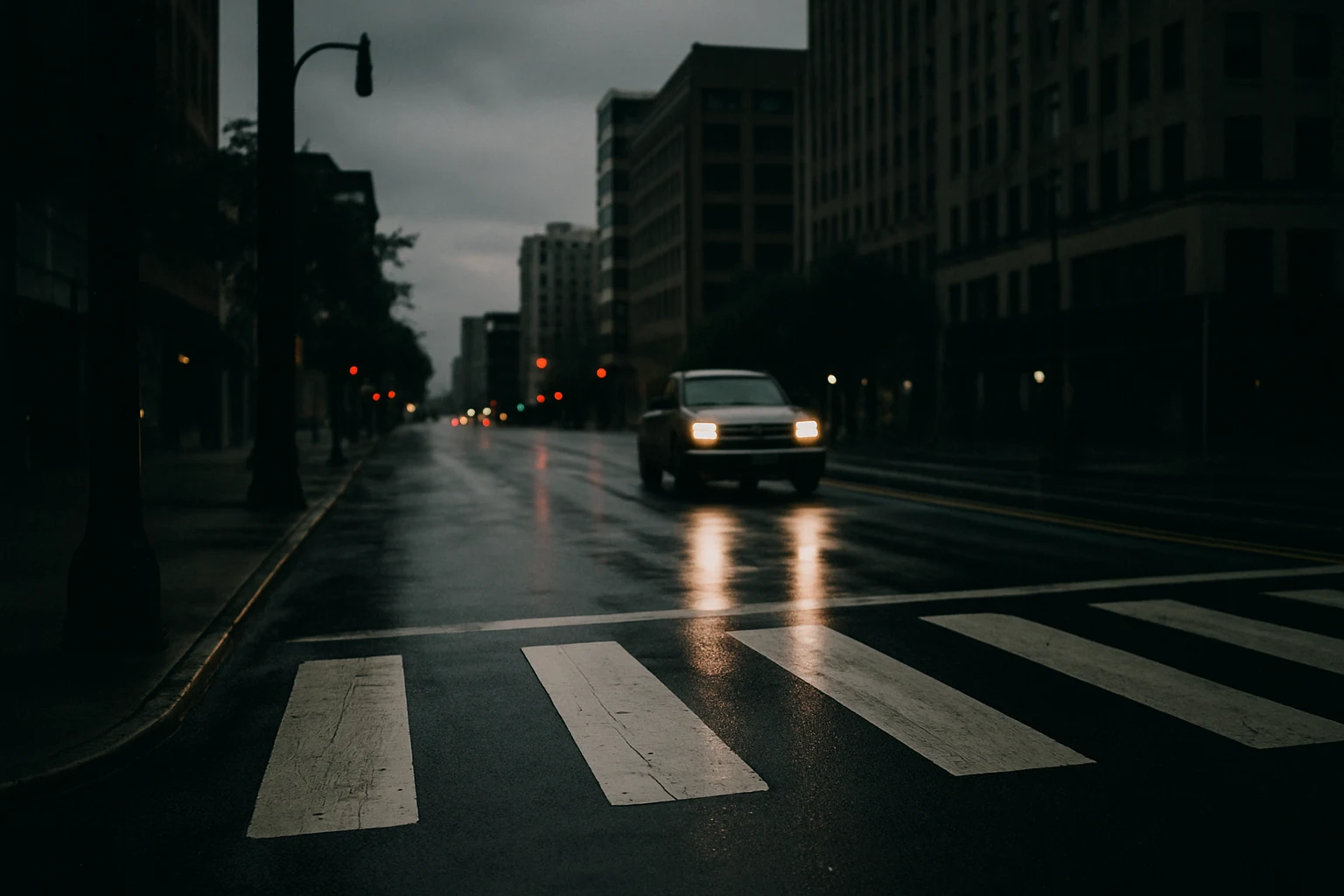
The pattern in Fort Wayne is consistent year over year. Most pedestrian strikes happen at four kinds of locations:
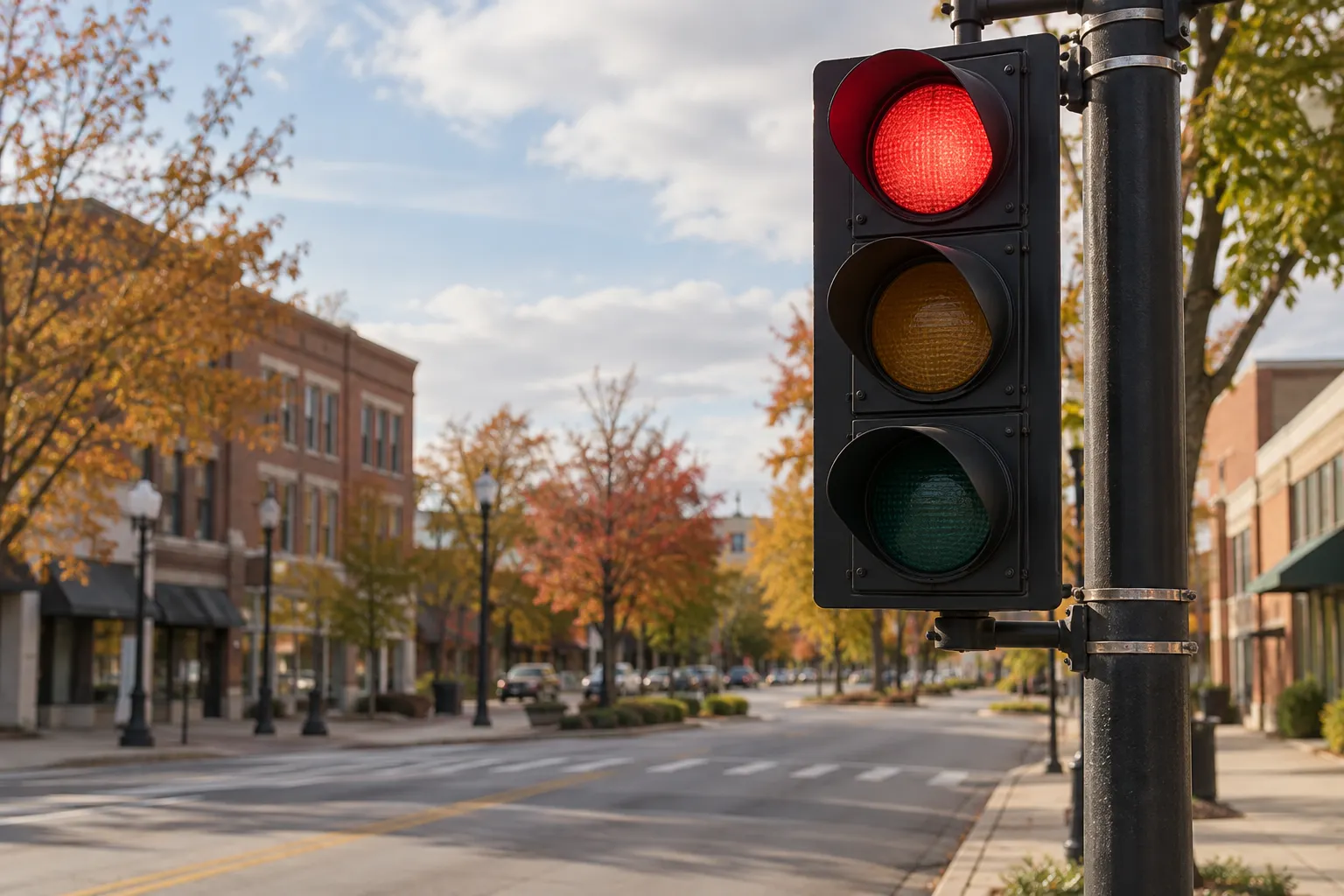
- Downtown crosswalks at intersections with right-turn-on-red. Calhoun, Clinton, Berry, and Wayne all run through the same right-turn-on-red pattern that traps walkers in the crosswalk while drivers look the other direction.
- Suburban arterials with long blocks and no mid-block crossings. Coliseum Boulevard, Lima Road, and Coldwater Road have stretches where the nearest legal crossing is a quarter mile away. People cross where they need to cross.
- Parking lots. Glenbrook, Jefferson Pointe, and big-box lots near Apple Glen produce a steady stream of low-speed strikes. Low speed does not mean low injury, especially for older pedestrians.
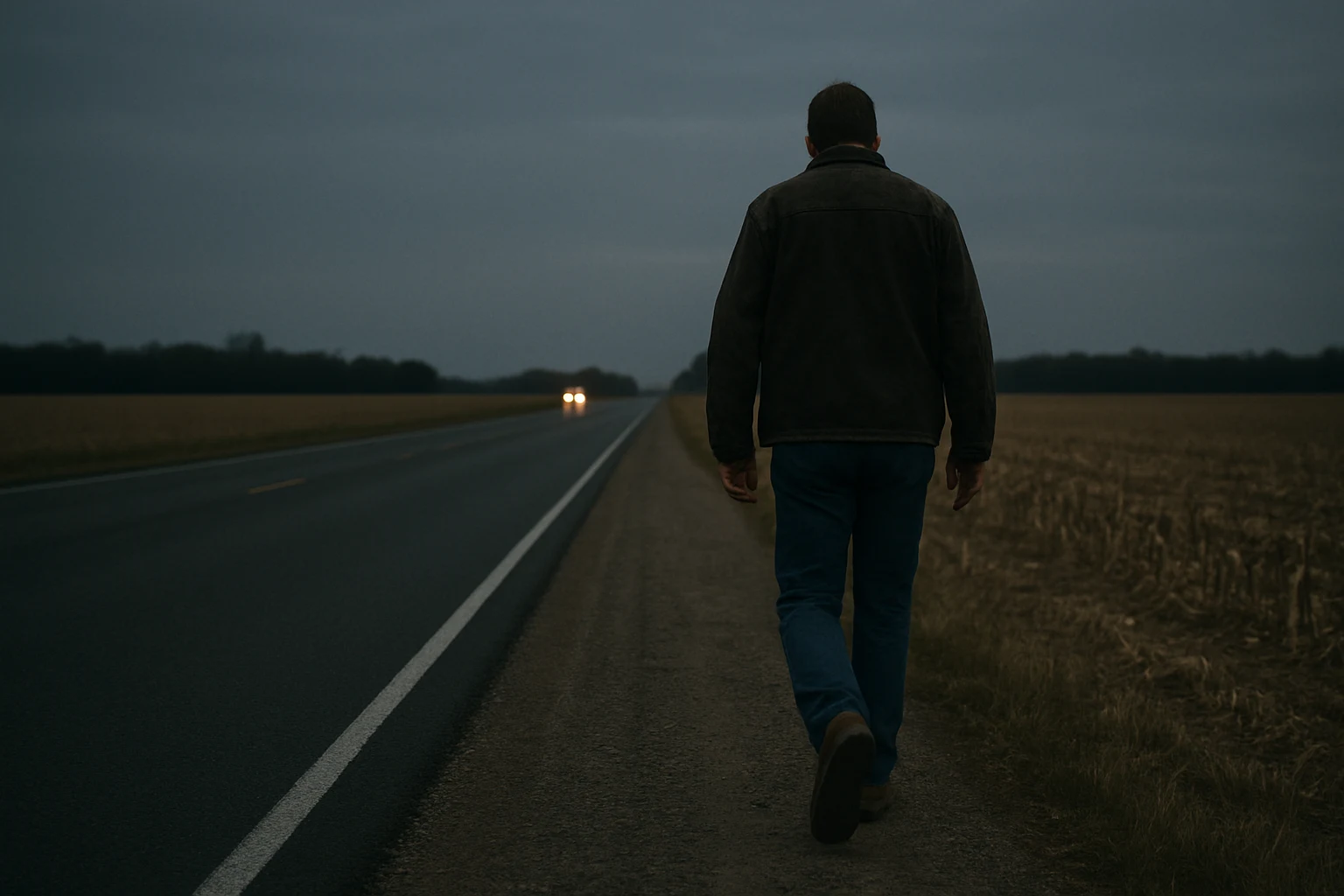
- Rural state routes after dark. US-30, US-24, SR-3, and SR-37 in DeKalb, Whitley, and Adams counties have narrow shoulders, no lighting, and 55-mph traffic. A walker on the shoulder at 9 p.m. is invisible until the headlights are forty feet out.
The setting matters because it shapes the fault analysis. A driver who rolls a downtown right-turn-on-red into a pedestrian in a marked crosswalk is almost certainly negligent. A pedestrian in dark clothing crossing US-30 at 11 p.m. between intersections has a harder fault picture, but the case is rarely hopeless.
Who Has the Right of Way in Indiana
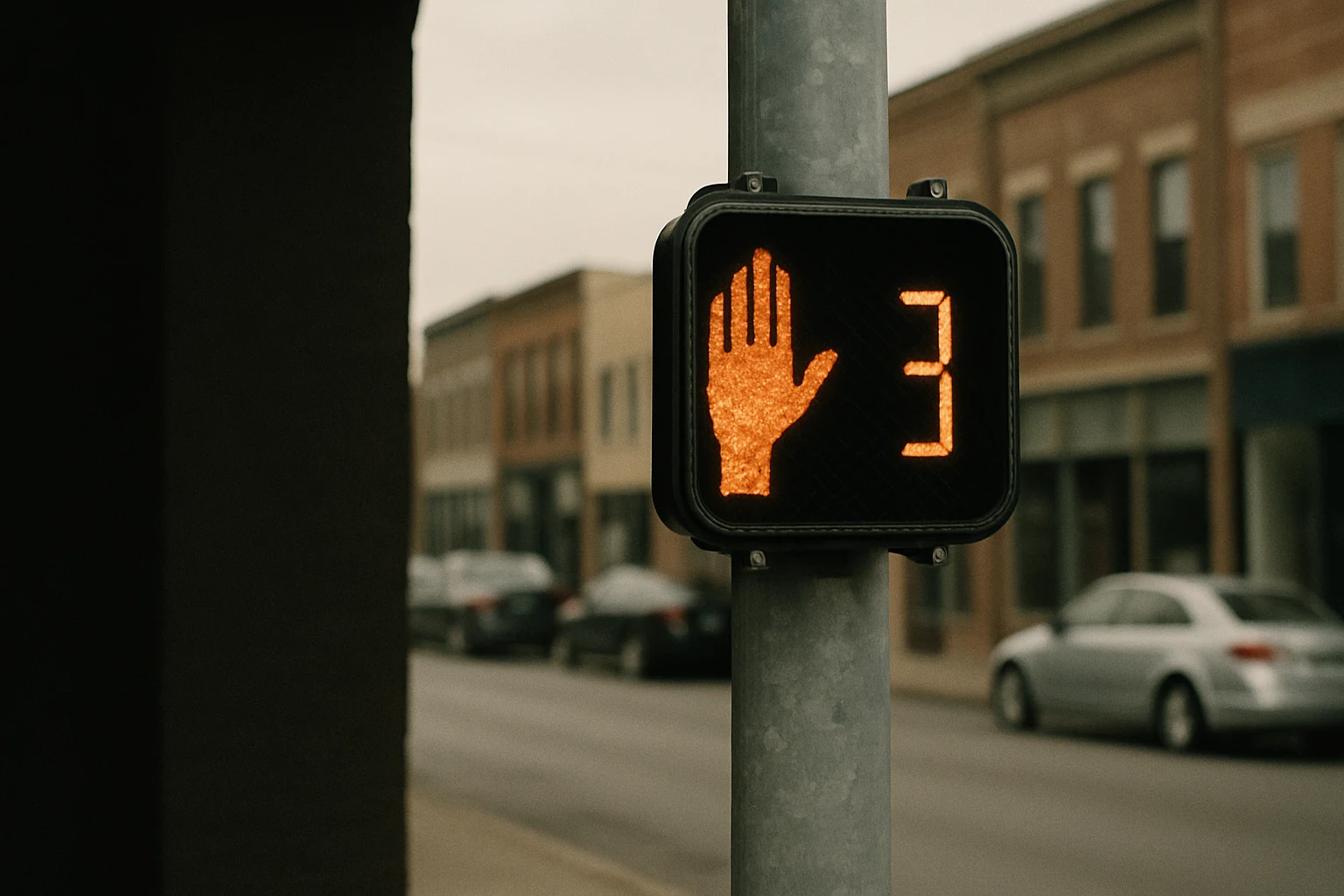
Indiana law gives pedestrians the right of way in marked crosswalks and at intersections without signals, but it is not absolute. Drivers must yield to pedestrians lawfully in a crosswalk. Pedestrians are required to obey traffic signals where they exist. Outside of crosswalks, pedestrians must yield to vehicles on the roadway. None of this means a jaywalker has no claim. It means the fault gets split.
The other rule worth knowing is the one buried in driver-education manuals: a driver approaching a pedestrian who is blind, walking with a white cane, or using a service animal must come to a full stop. A violation is its own form of negligence and can support a stronger claim when one of those facts is present.
Drivers also owe a heightened duty in school zones, near playgrounds, and in residential areas where children are foreseeable. Speeding in a school zone is not just a ticket; it is evidence of negligence that a jury can weigh against the driver.
Why Pedestrian Injuries Run So Severe
The physics are not kind. A 4,000-pound SUV hitting a 180-pound person at 30 mph delivers roughly the same impact energy as a fall from a third-story window. At 40 mph the energy nearly doubles. The body absorbs that energy through the lower legs, hips, ribcage, and head, in that order, as the pedestrian rotates onto the hood, into the windshield, and then off the vehicle onto the pavement. The second impact, with the road, is often the worst.
The injuries we see in Fort Wayne pedestrian cases typically include:
- Tibia and fibula fractures from the initial bumper strike
- Pelvic and hip fractures, especially in older adults
- Traumatic brain injury from windshield or pavement contact
- Spinal cord injury, including incomplete cord injuries that present hours or days later
- Internal organ damage that may not show on initial imaging
- Significant skin and soft-tissue damage from being dragged or thrown
The medical timeline runs long. Surgical hardware, infection risk, weeks of inpatient rehab, months of outpatient therapy, and often a permanent change in mobility. The settlement value of these cases reflects all of that, not just the ER bill from the first night.
Modified Comparative Fault and the 51% Bar

Indiana uses modified comparative fault under IC § 34-51-2-6[2]. Three numbers matter:
- 0% at fault. Full recovery.
- 1–50% at fault. Recovery is reduced by the percentage. A pedestrian assigned 30% fault on a $200,000 case recovers $140,000.
- 51% or more at fault. Recovery is zero. The jury verdict gets dropped to nothing as a matter of law.
Insurance companies know this. The first move on a pedestrian claim is to push the fault percentage above 50%. The adjuster will argue the pedestrian was not in a crosswalk, was on a phone, was wearing dark clothes, or stepped out suddenly. Some of those arguments are real; many are stock. The defense becomes a fight over percentages, and a fight over percentages is a fight over evidence — the evidence battle an experienced Fort Wayne pedestrian accident attorney prepares for in a pedestrian claim.
Evidence that pushes fault back onto the driver typically includes: surveillance video from nearby businesses, the driver’s phone records (subpoenaed during litigation), skid-mark measurements, the position of the vehicle and pedestrian as documented in the crash report, eyewitness statements, and the driver’s admissions to responding officers.
What to Do in the First 72 Hours

If you are the injured pedestrian or a family member acting on their behalf, the first three days set the foundation for the case. The order matters less than the completeness.
At the scene (when possible):
- Call 911 and stay where you are until medics arrive. Do not refuse transport just because you feel okay.
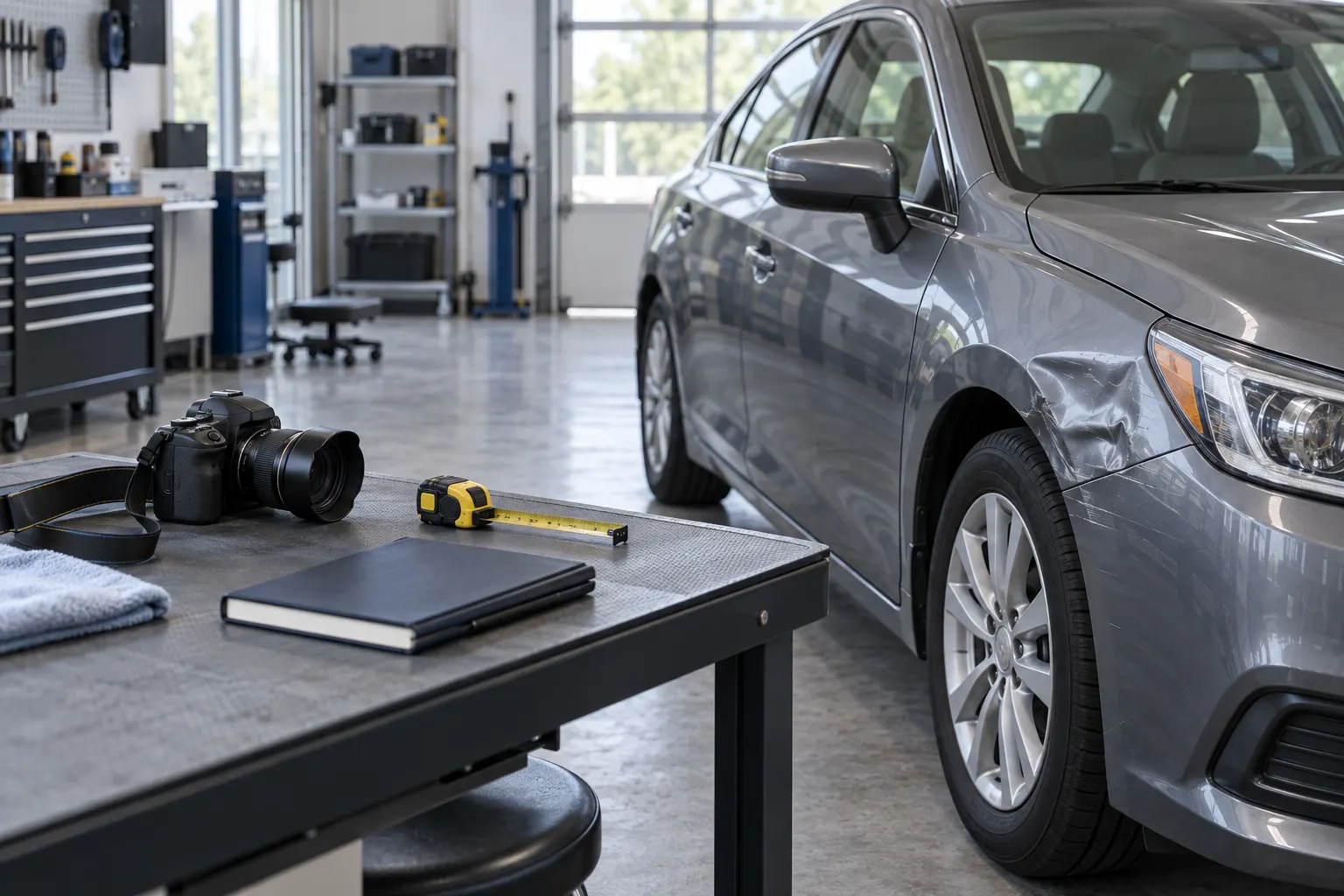
- If you can, photograph the vehicle, the road, the crosswalk markings, the traffic signal, the weather, and the position of debris.
- Get the names and phone numbers of any witnesses who stopped. Most of them leave before the officer takes statements.
Within 24 hours:
- Get checked at the ER or urgent care even if you walked away. Concussion, internal bleeding, and soft-tissue injuries often present hours later.
- Save the clothing you were wearing. Tire marks, fabric tears, and blood patterns are evidence.
- Request the crash report number from the responding agency and order the report through crashdocs.org[3].
Within 72 hours:
- Do not give a recorded statement to the driver’s insurance company. You are not required to.
- Start an injury journal. Pain levels, sleep, work missed, things you cannot do.
- Talk to a Fort Wayne pedestrian accident attorney for a free consultation, especially if a government vehicle was involved (the Indiana Tort Claims Act[4] 180-day notice clock starts running immediately for city, county, or township defendants).
What Compensation Looks Like in a Pedestrian Case
Indiana law allows recovery of both economic and non-economic damages. The full picture in a serious pedestrian case usually includes:
- Past medical bills. Ambulance, ER, surgery, hospitalization, imaging, physical therapy.
- Future medical care. Hardware removal, future surgeries, ongoing therapy, mental-health treatment, home modifications.
- Lost income and lost earning capacity. Time off work, plus the long-term impact if you cannot return to the same kind of work.
- Pain and suffering. The non-economic loss tied to the injury itself, the medical course, and the permanent changes.
- Loss of consortium. A separate claim a spouse can bring for the impact on the marital relationship.
The biggest mistake unrepresented pedestrians make is settling before maximum medical improvement. The insurer offers a number that sounds large compared to the bills on the table at month three. By month nine, when the surgeon is recommending a fusion that nobody expected, the release the claimant signed bars any further recovery. Fair settlement requires waiting until the medical picture is clear, then negotiating against the full picture.
How Delventhal Law Office Handles Pedestrian Cases
Pedestrian cases come down to two questions: how badly was the walker hurt, and how clean is the fault picture. The first is a medical question that resolves itself over time. The second is an evidence question that has to be answered fast, before the surveillance video gets overwritten, before the witness moves, before the driver’s memory hardens into a story.
At Delventhal Law Office we move on the evidence side in the first week. That means letters to nearby businesses requesting surveillance preservation, formal preservation demands to the driver’s insurer for the vehicle data and phone records, and contact with the responding officer while the crash is still fresh. We then work with the treating physicians to make sure the medical record reflects every injury, including the ones the ER missed.
If a government vehicle was involved, a delivery truck on a fleet policy, a rideshare driver, or anything else with a layered insurance structure, the early move matters even more. The 180-day Notice of Tort Claim under IC § 34-13-3-8[4] closes faster than most people realize.
Every case is handled directly by Chad, not assigned to a paralegal funnel. One phone number, twenty-four hours a day.
Frequently Asked Questions
I was jaywalking when I got hit. Do I still have a case?
Probably yes, depending on the percentages. Indiana’s modified comparative fault rule allows recovery up to 50% pedestrian fault. Drivers still have a duty to keep a proper lookout. A claim should be evaluated by an attorney before assuming you have no case.
The driver was not cited. Does that mean I cannot recover?
No. A traffic citation is helpful evidence but not required. Civil liability and criminal fault are separate questions. Plenty of Fort Wayne pedestrian claims have been recovered on without any ticket being written.
What if the driver who hit me had no insurance?
Your own auto policy often includes uninsured-motorist coverage that applies even when you were on foot. That coverage is mandatory in Indiana unless you rejected it in writing. It is one of the first things to look at in a pedestrian case.
How long does a pedestrian case take to resolve?
It depends on the medical course. A simple fracture that heals cleanly may settle in eight to twelve months. A serious case with surgery, future care, or permanent impairment can take eighteen to twenty-four months and may require filing suit.
What if I was hit in a parking lot?
Parking-lot strikes are pedestrian cases too. Liability often turns on lighting, sight lines, lane markings, and whether the driver was on a phone. The premises owner may also share fault if conditions were unsafe.
Talk to a Fort Wayne Pedestrian Accident Attorney
The insurance company starts working the file the moment the ambulance leaves. The driver’s carrier is calling within forty-eight hours, not to help, but to lock in a story. The clock on the Tort Claims Act starts on day one. Evidence walks away. Witnesses move. The case is built or lost in the first weeks.
If you or someone in your family was hit by a vehicle anywhere in Allen County, DeKalb County, Whitley County, Adams County, or Indiana, talk to Delventhal Law Office before the next phone call from the insurer. The consultation is free, no obligation, and you are talking to Chad directly. Call (260) 484-6655 or contact us online to schedule a free case evaluation.