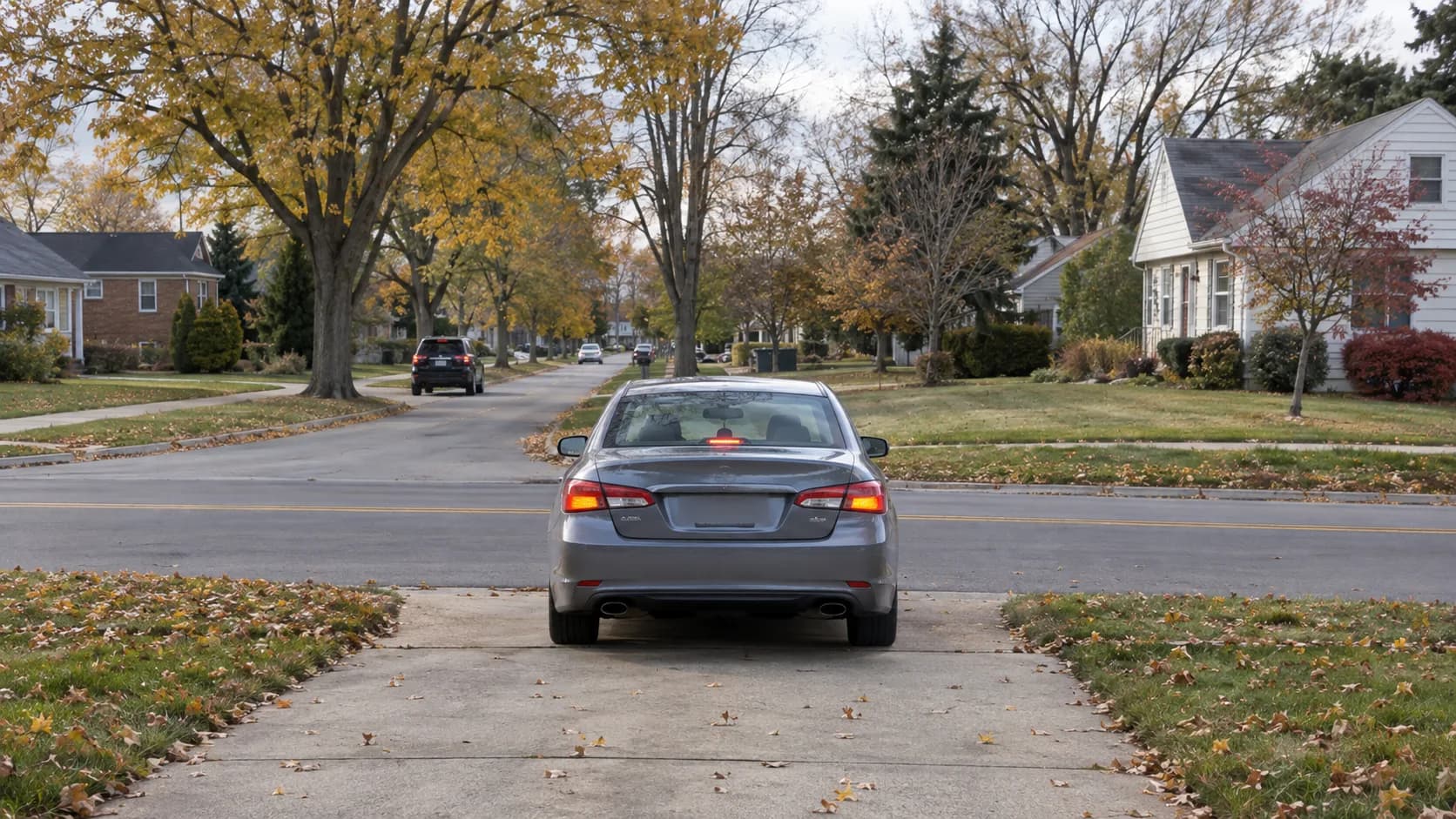
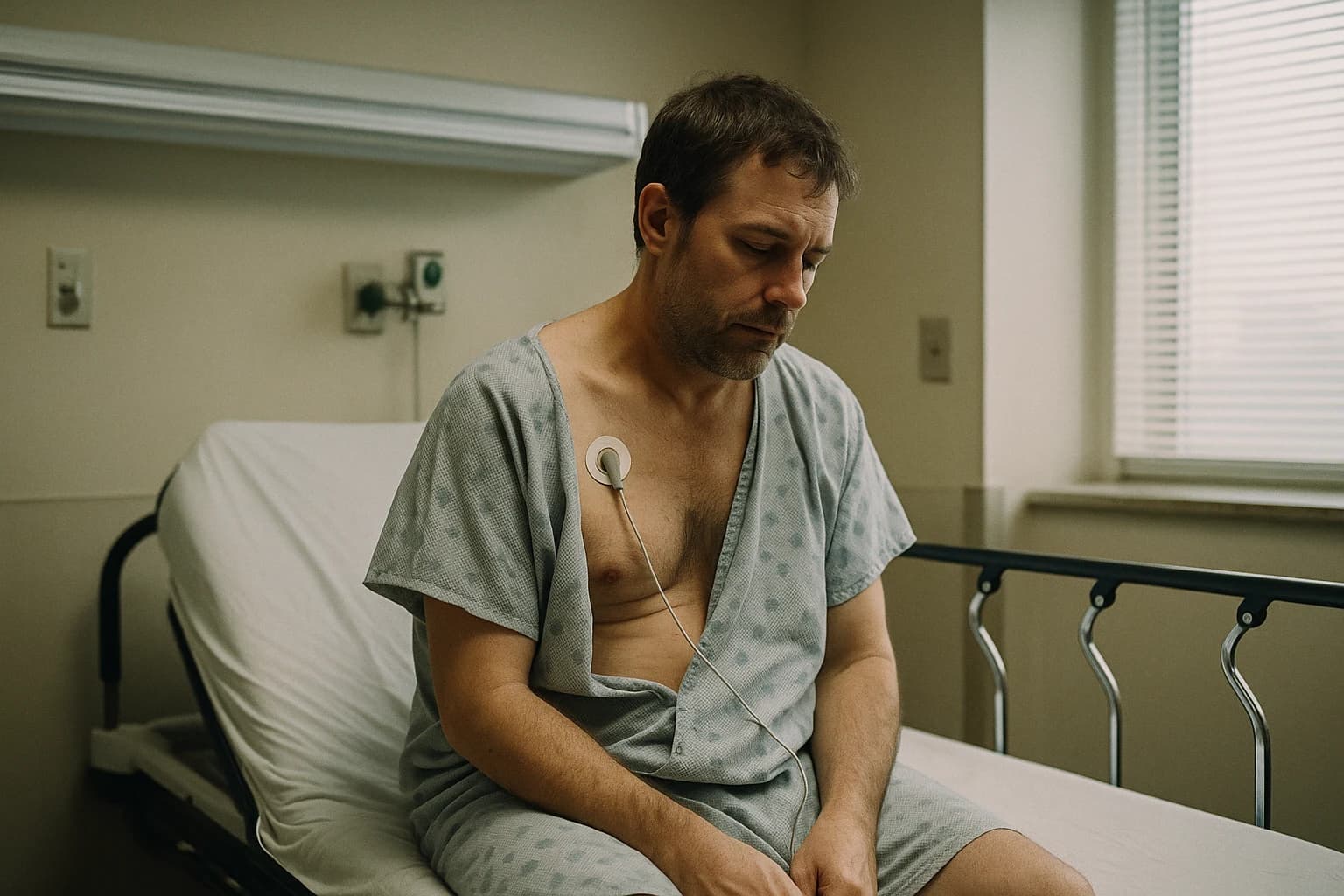
This article walks through the internal injuries that show up most often in Allen County crashes, the warning signs that should send you back to the emergency department, and the way these claims are documented to be paid.
Why Internal Injuries Often Hide

The body is built to keep a small leak quiet for a while. A grade-one splenic laceration may bleed slowly into the peritoneum and produce only vague flank or shoulder pain for hours. A kidney contusion can present as nothing more than slight blood in the urine and mild back tenderness. A bowel injury sometimes does not show symptoms until peritonitis sets in two or three days later.
Adrenaline and endorphins, the same chemicals that mask soft tissue pain at the scene, also blunt the early warning signs of internal trauma. Drivers who walk away from a crash thinking they are fine are sometimes the same drivers who present to the emergency department twelve to thirty-six hours later, in shock, with a hemoglobin that has dropped four points. The lesson is that any moderate-energy crash deserves a same-day or next-day medical evaluation, even when you feel mostly intact.
Solid Organ Injuries: Spleen, Liver, Kidney, Pancreas
The solid organs of the abdomen are the most commonly injured in blunt-force trauma. The seatbelt that saves your life from ejection also concentrates force across the upper abdomen. The most common patterns:
- Splenic injury: lacerations and ruptures are graded one through five. Lower grades often resolve with observation; higher grades require embolization or splenectomy. Splenic injury is the most common solid-organ injury in adult crash patients.
- Hepatic injury: liver lacerations also graded one through six. The liver bleeds more than the spleen and is harder to repair surgically. Most low-grade liver injuries are managed non-operatively in modern trauma centers.
- Renal injury: kidney contusions, lacerations, and rare pedicle injuries. Symptoms include flank pain and hematuria (blood in urine).
- Pancreatic injury: less common but easy to miss; can result in pseudocyst formation, fistulas, and chronic complications.
The diagnostic tool of choice for blunt abdominal trauma is a contrast-enhanced CT scan. A clear CT in the emergency department is the most valuable piece of evidence both for your treatment and for any later claim.
Chest Injuries: Lungs, Heart, and Aorta
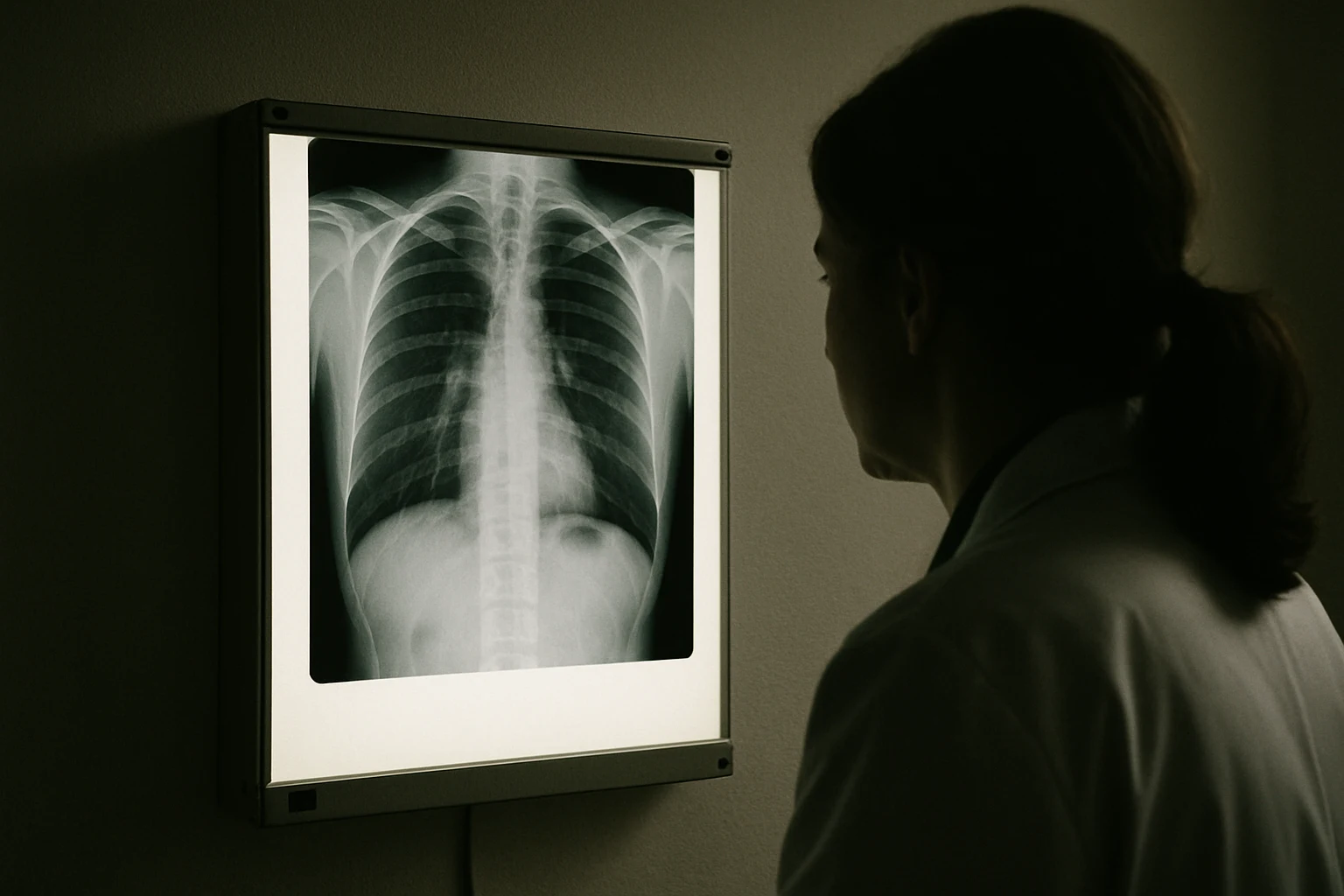
The thoracic cavity takes the brunt of frontal-impact crashes. Steering-column impact, shoulder-belt loading, and dashboard contact produce a predictable set of injuries:
- Rib fractures: painful for weeks and sometimes the visible marker of underlying lung injury.
- Pulmonary contusion: bruising of lung tissue that can progress over twenty-four to seventy-two hours into respiratory failure.
- Pneumothorax: collapsed lung; may need a chest tube.
- Hemothorax: blood in the chest cavity, often from intercostal vessel laceration.
- Cardiac contusion: bruising of the heart muscle, presenting with arrhythmias and elevated cardiac enzymes.
- Blunt aortic injury: rare but lethal; produces wide mediastinum on chest X-ray; requires immediate vascular surgery.
Any chest pain, shortness of breath, or coughing of blood after a crash is a same-day emergency, not a tomorrow-morning appointment.
Internal Bleeding: The Symptoms You Cannot Ignore
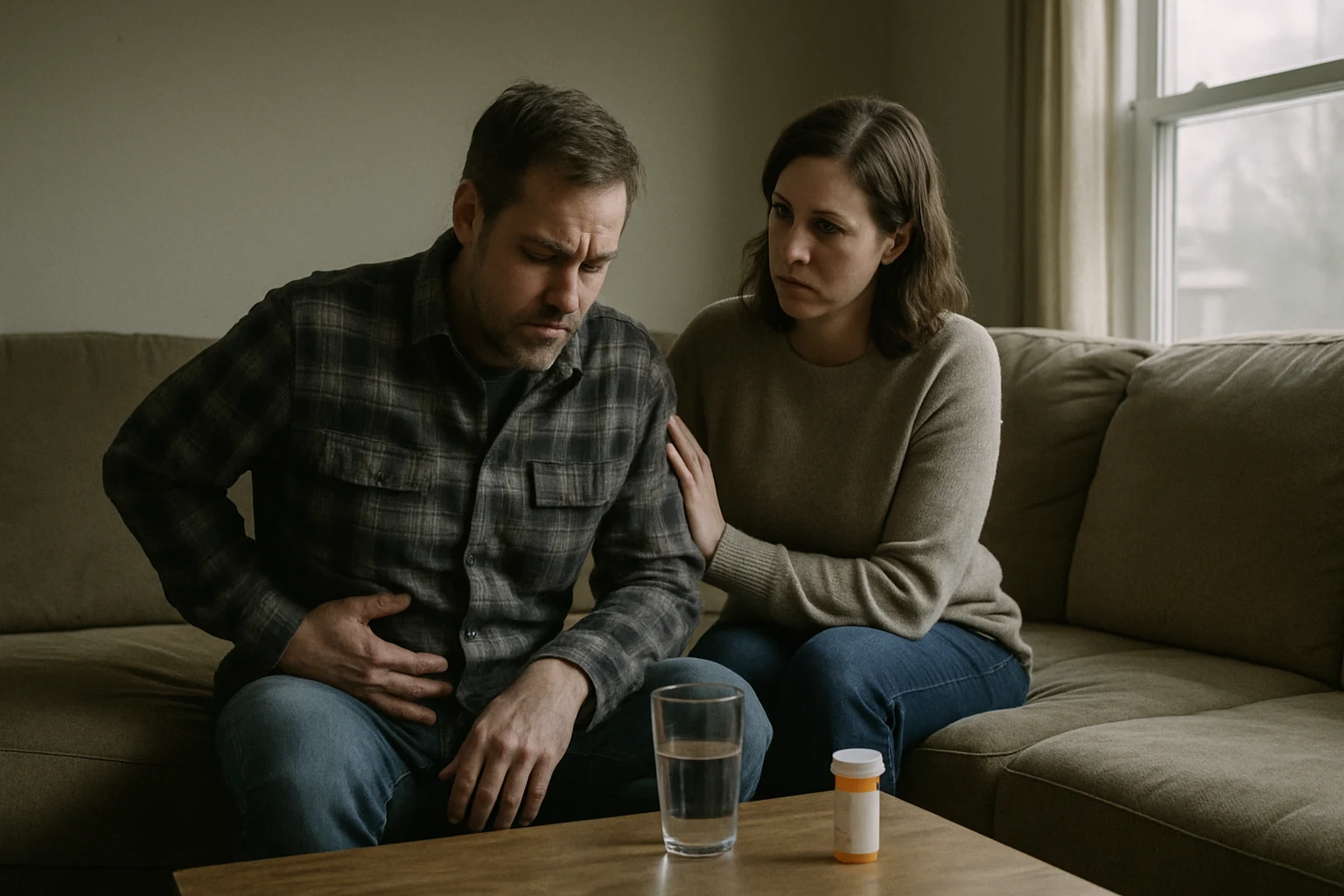
Internal bleeding does not announce itself with a visible wound. It announces itself with the body's response to volume loss. The warning signs:
- Persistent or worsening abdominal pain, especially in the upper quadrants.
- Referred shoulder pain (Kehr sign, often associated with splenic injury).
- Light-headedness, dizziness, or fainting on standing.
- Rapid heart rate, low blood pressure, cold and clammy skin.
- Pale skin and lips.
- Dark, tarry stool or vomiting of blood (indicating GI bleeding).
- Distended or rigid abdomen.
- Confusion or unusual fatigue.
Any of these in the days after a crash gets a 911 call or a return to the emergency department. The window for treatment matters. A spleen that is stable enough to embolize in the second hour may need to be removed in the eighth.
Brain and Spinal Injuries Without External Wound
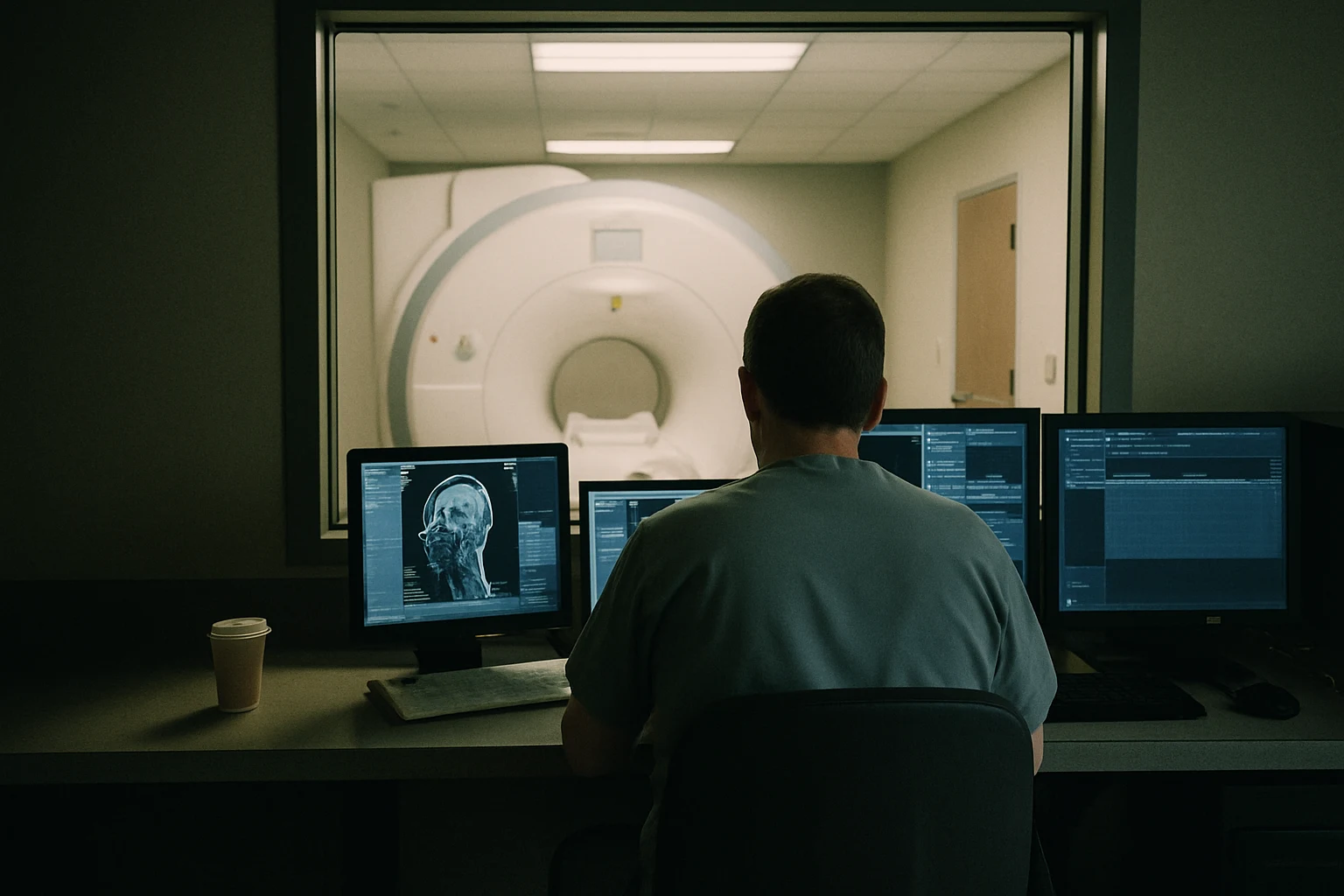
Traumatic brain injury does not require an external scalp wound. A driver whose head never struck the steering wheel can still suffer a coup-contrecoup injury from rapid deceleration. Warning signs in the hours and days after a crash include:
- Persistent or worsening headache.
- Confusion, slurred speech, or trouble finding words.
- Short-term memory gaps about the crash itself or events immediately before or after.
- Light or noise sensitivity.
- Mood changes, irritability, sleep disturbance.
- Nausea or vomiting hours after the crash.
- Pupil asymmetry (always a same-day emergency).
Spinal cord injuries can also occur without obvious trauma to the back. Numbness, tingling, weakness, or coordination problems after a crash justifies immediate evaluation.
How These Cases Are Documented to Be Paid
The single biggest factor in whether an internal-injury claim is paid at fair value is the medical record. Internal injuries leave a clearer paper trail than soft tissue injuries because they show on imaging, but adjusters still apply pressure. The way to make the case stick:
- Get evaluated within twenty-four hours after the crash, regardless of how you feel.
- Insist on imaging when symptoms warrant. A clean abdominal CT today is also good defensive medicine tomorrow.
- Document every emergency-room visit, urgent-care visit, and primary-care follow-up.
- Comply with every referral. Failed referral compliance is the carrier's gift.
- Save every bill, ambulance run sheet, and discharge summary.
- Keep a written log of symptoms, especially the slow-onset ones.
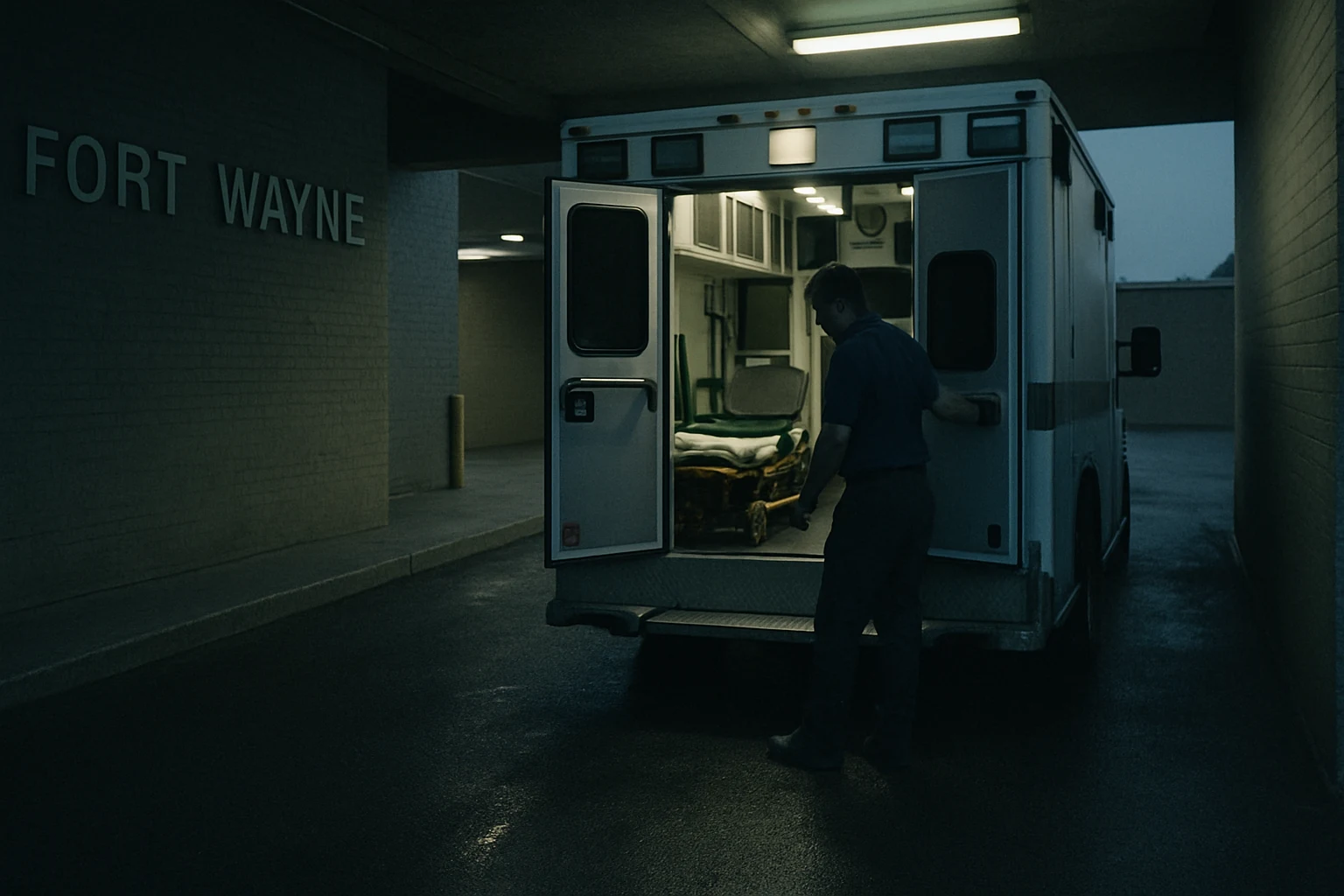
If you are seen at Parkview or Lutheran trauma after the crash and discharged the same day, request your records and discharge summary before you leave. They are easier to obtain at the bedside than three months later through medical-records administration.
Pediatric Internal Injuries Are Different
Children's bodies absorb crash forces differently than adults. The ribcage is more flexible, which means a child can have severe internal injury (lung, liver, spleen) without the external rib fractures that would tip off a treating physician in an adult. Children also compensate well physiologically until they crash hard. A child who seems energetic at the scene can collapse two hours later from a slow internal bleed.
Any child involved in a moderate-energy crash should be evaluated at a pediatric emergency department, not urgent care. Lutheran and Parkview both maintain pediatric capabilities in Fort Wayne. The two-year statute of limitations is tolled until the child turns eighteen under IC § 34-11-6-1[2], but evidence preservation should start immediately. Witnesses move, records get purged, and police-report retention has limits.
Damages Recoverable on an Internal-Injury Claim
Indiana follows modified comparative fault under IC § 34-51-2-6[3]: a claimant fifty percent or less at fault recovers, reduced by their percentage of fault. Damages on an internal-injury case typically include: You can use our Indiana car accident settlement calculator to organize the factors that may affect a claim’s value; it is an educational tool, not a promise of any result.
- Past and future medical expenses (often the largest component on a serious abdominal injury).
- Lost wages and reduced earning capacity, including time off work for surgery and recovery.
- Pain and suffering.
- Loss of consortium (a spousal claim).
- Future complications, including risk of recurrent infection, adhesive disease, or organ-failure consequences.
- Wrongful death damages under IC § 34-23-1-1[4] if a family member did not survive the injury.
On internal-organ cases the future-care projection is what carriers most often dispute. A treating surgeon who can speak to long-term sequelae carries far more weight than a general expert report.
How Delventhal Law Office Handles Internal-Injury Cases
Internal-injury cases come in two flavors: those caught early, with clean imaging and a clear discharge summary, and those caught late, where the carrier argues the injury must have been from something else. The work on the second kind starts with reconstructing the timeline, getting every emergency department record and 911 audio, and connecting the medical findings back to the crash mechanism with a treating physician or expert.
Every case is handled by Chad directly. Hundreds of Allen County, DeKalb County, Whitley County, and Adams County injury files. One direct line to your attorney. The investigation starts the day you call, not the month before suit is filed.

FAQs About Internal Injuries After a Crash
How quickly can internal bleeding kill you after a car accident?
Severe internal bleeding can kill within hours. Slower bleeds, like a low-grade splenic laceration, can become catastrophic over twelve to forty-eight hours. The window for safe intervention shrinks rapidly. Any abdominal pain, light-headedness, or unusual fatigue after a crash gets evaluated immediately.
Will I have to go back to the emergency department if symptoms appear days later?
Yes. Delayed onset of abdominal pain, shortness of breath, persistent headache, or any of the warning signs above is an emergency room visit, not a primary-care callback. Tell the triage nurse you were in a crash on a specific date. That single fact reframes the workup.
How long do I have to file a claim for internal injuries?
Two years from the date of the crash under IC § 34-11-2-4[1]. The clock runs even when the injury is not diagnosed until weeks later. The discovery rule may extend the clock in rare cases where the injury was not reasonably discoverable.
What if the carrier says my internal injury was pre-existing?
Indiana law treats aggravation of a pre-existing condition as compensable under the eggshell-plaintiff rule. A spleen that had a benign cyst before the crash and ruptured during it is still compensable. The treating physician's documentation about the mechanism of injury is the key.
Are paramedic and emergency department bills recoverable?
Yes. Every reasonable and necessary medical bill arising from the crash is recoverable, including ambulance, ER, imaging, surgery, hospitalization, follow-up care, prescriptions, and rehabilitation. Save every invoice and explanation of benefits.
Talk to a Fort Wayne Attorney About Your Internal Injury Claim
An internal injury claim that is not built within the first sixty days is one the carrier will discount. Get medical evaluation. Save your records. Call before the adjuster talks you into a recorded statement. If you or a family member suffered an internal injury in a Fort Wayne, Allen County, DeKalb, Whitley, Adams, Wells, Huntington, Noble, Elkhart, St. Joseph, or Kosciusko County crash, contact Delventhal Law Office. The consultation is free, no obligation, and you talk to Chad directly. Call (260) 484-6655 or contact us online to schedule a free case evaluation.
Talk to a Fort Wayne car accident attorney. If you were injured in a crash on I-69, US-30, Coliseum, or any other Allen County corridor, our Fort Wayne car accident attorneys can review your case at no cost.