Delventhal Law Office — Personal Injury Attorneys
Car Accidents

Indiana Dog Bite Law: When You Can Sue After Being Bitten in Fort Wayne (2026)

By Chad E. Delventhal15 min read

Were you bitten by a dog in Fort Wayne or Allen County? Indiana's strict-liability statute is a powerful tool when it applies, but the carve-outs are what owners and insurance carriers will fight over. Talk to a Fort Wayne dog bite attorney about your specific situation — evidence preservation, the medical record, and the homeowner's-insurance demand letter all have to happen fast. Free consultation: (260) 484-6655.

Most people learn about Indiana dog-bite law for the first time after they've been bitten. Their first Google search is some version of "can I sue if a dog bit me in Indiana" — and the first ten results almost all say the same thing: "Indiana is a strict-liability state." That answer is technically true and practically misleading, because Indiana's strict-liability dog-bite statute only covers certain situations. The wrinkles in IC 15-20-1[2] decide most real cases.

This guide walks through the statute clause by clause, explains the carve-outs Indiana owners use to dodge liability, and lays out the practical steps a Fort Wayne dog-bite victim should take in the 48 hours after a bite. We'll cover where the money comes from (almost always homeowner's insurance), why child dog-bite cases are different, and what evidence wins claims in Allen County.

Key takeaways

  • Indiana applies strict liability to most dog bites under IC § 15-20-1-3[1] — the owner is liable even if the dog had no prior bite history.
  • The statute only applies when the victim was peaceably conducting themselves in a place they had a lawful right to be.
  • Common owner defenses: trespass, provocation, and (in some cases) the worker / law-enforcement exception.
  • The money almost always comes from homeowner's or renter's insurance, not the owner's personal assets. Most policies cover dog-bite claims unless the breed is specifically excluded.
  • Child dog-bite cases settle higher — Indiana law restricts contributory-negligence defenses against young children, and the scarring + PTSD damages typically run for life.
  • IC § 34-11-2-4[3] gives you two years to file suit; tolling rules extend the deadline for minors.
  • Animal Control reports, vet records, and time-lapse scar photography are the three highest-value evidence categories.

What does Indiana's dog-bite law actually say?

Short answer: Indiana Code § 15-20-1-3 imposes strict liability on a dog's owner for any bodily injury caused by the dog when the victim is peacefully and lawfully present, regardless of whether the dog had previously shown aggression. This is a much friendlier rule for victims than the common-law "one-bite rule" used in states without a strict-liability statute.

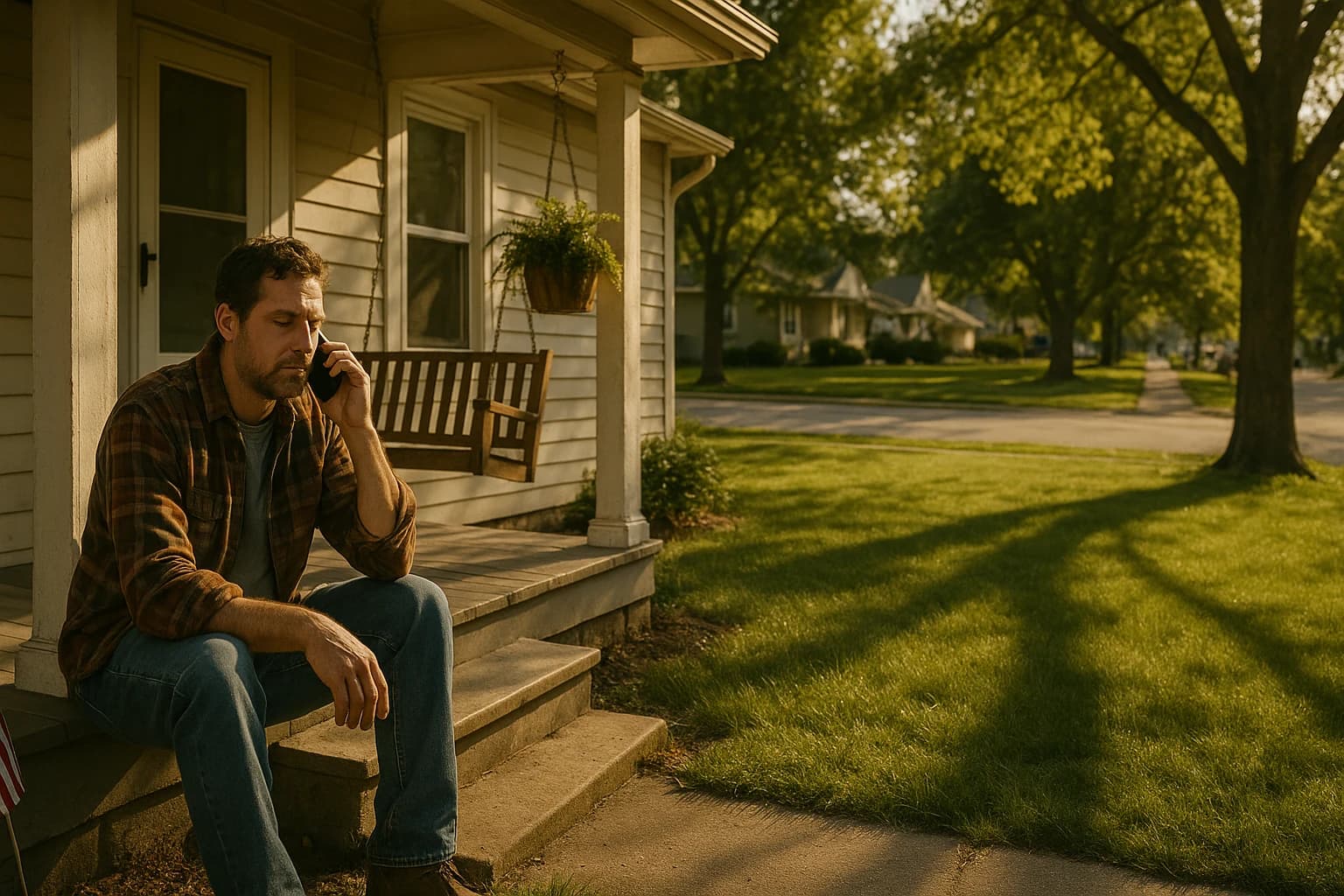
Quiet Fort Wayne residential street with fenced front yards, mailboxes, autumn light — the everyday neighborhood where most Indiana dog-bite cases originate under <a href=IC 15-20-1-3[1]. A coiled leash sits on the porch step." width="1536" height="1024" loading="lazy" decoding="async" />
Indiana dog-bite law applies wherever the victim was peaceably and lawfully present — most cases begin on a sidewalk, a front porch, or a Fort Wayne neighbor's yard.

Indiana's dog-bite statute is brief — three short sections — but every word matters. Here is the operative language of IC § 15-20-1-3[1], in plain English:

  1. If a dog, without provocation, bites a person;
  2. The bitten person is acting peaceably; and
  3. The bitten person is in a location where the person may be required to be in order to discharge a duty imposed by law, or by federal, state, or local government regulation;
  4. Then the owner of the dog is liable for damages.

The strict-liability rule is most clearly applied to people performing a legal duty — mail carriers, meter readers, delivery drivers, police, EMTs, and similar service workers on the property where the bite happens. Outside that narrow context, Indiana case law has extended the strict-liability concept to social guests, invitees, and other lawful visitors, but the analysis turns on whether the victim was lawfully present and not provoking the dog.

Critically, Indiana is NOT a "one-bite rule" state. In one-bite states, the dog's owner is liable only if they knew (or should have known) the dog was dangerous. Indiana's statute imposes liability regardless of the dog's prior history when its conditions are met. That's the win for victims here — but the conditions still have to be met.

When does Indiana's strict-liability dog-bite statute NOT apply?

Short answer: Three common situations strip away strict-liability protection — trespass, provocation, and the victim being in a place they had no lawful right to be. In those situations, Indiana courts fall back on traditional negligence analysis, which puts the burden on the victim to prove the owner knew or should have known the dog was dangerous.

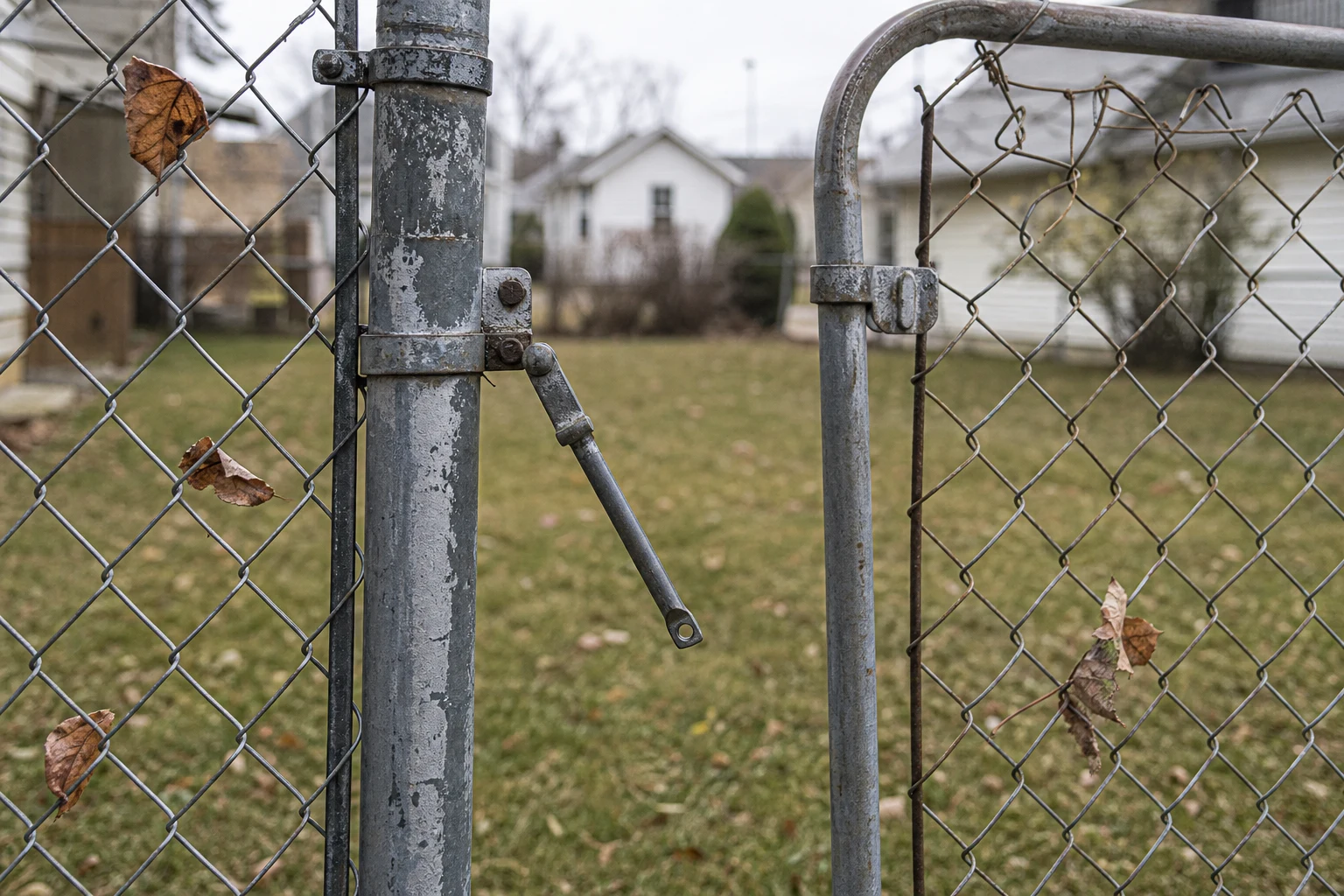
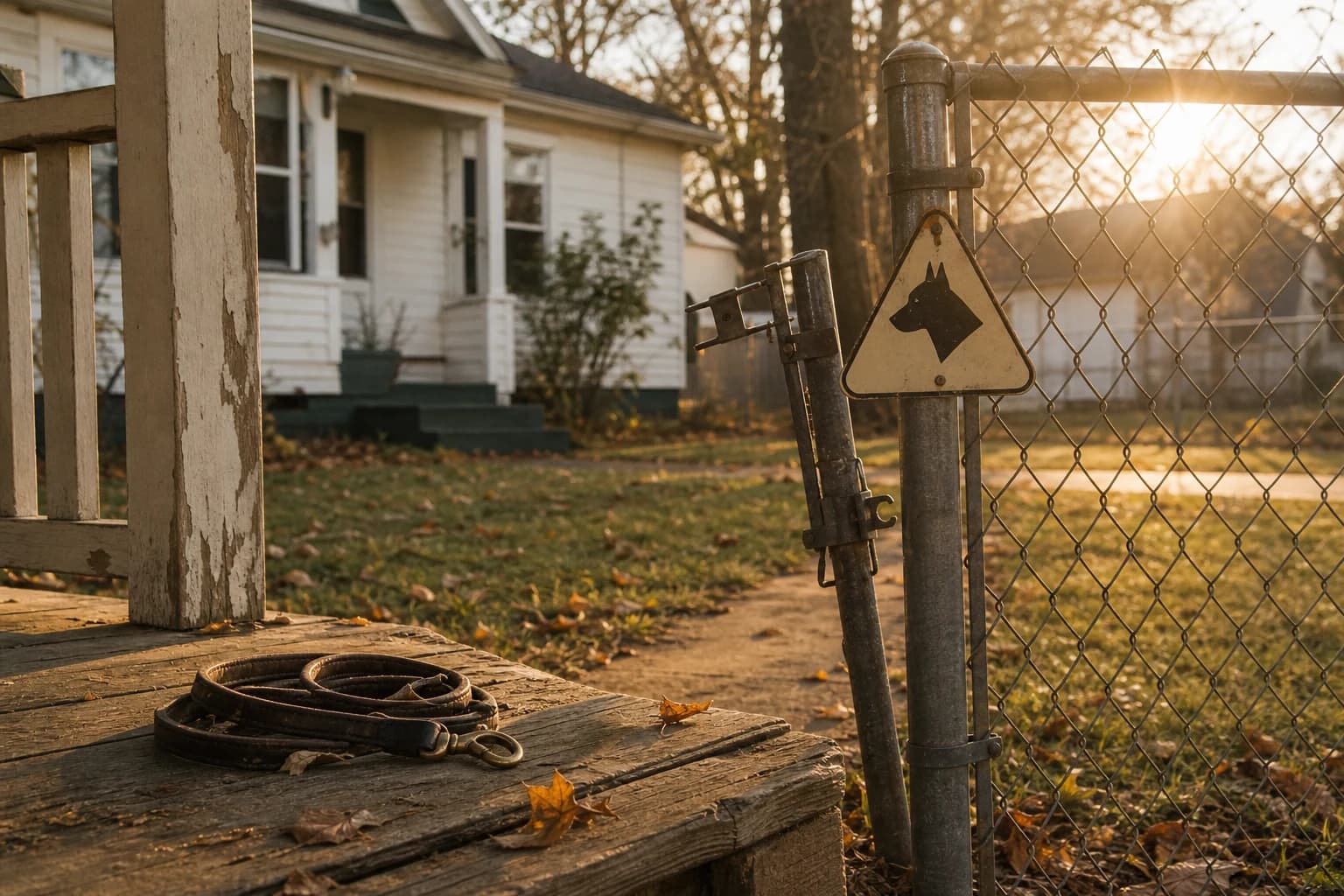
Broken chain-link gate latch on a Fort Wayne backyard fence — the kind of premises evidence a Fort Wayne dog bite attorney photographs when the owner argues the victim was trespassing under the <a href=IC 15-20-1-3[1] carve-outs." width="1536" height="1024" loading="lazy" decoding="async" />
Broken gate latches, missing signs, and unsecured yards rebut the owner's trespass defense in Indiana strict-liability dog-bite cases.

The three carve-outs we see in nearly every Fort Wayne dog-bite case:

1. Provocation

If the victim provoked the dog — even unintentionally — the strict-liability rule does not apply. Provocation can include teasing, hitting, pulling the dog's tail or ears, startling the dog while it eats or sleeps, or rough handling. Children's interactions with dogs are often characterized by owners as "provocation" even when the child was doing nothing aggressive. The provocation defense is one of the most common arguments insurance adjusters raise.

2. Trespass

The strict-liability rule only protects victims who are lawfully on the property. A trespasser — someone with no legal right to be where the bite happens — generally cannot rely on the statute. There's a meaningful gray zone here: a delivery driver dropping a package on the front porch is lawfully present even without explicit invitation; a person who walks around a "NO TRESPASSING" sign into a fenced backyard probably is not.

3. Unlawful presence

Closely related to trespass — if the victim was engaged in conduct that itself was unlawful at the moment of the bite (committing a crime, violating a court order to stay away, etc.), the statute generally does not cover them.

Even when one of these defenses applies, the case is not necessarily lost. Indiana courts may still allow recovery under a negligence theory if the owner knew the dog was dangerous and failed to take reasonable precautions. A Fort Wayne dog-bite attorney runs both tracks — the strict-liability claim and the backup negligence claim — in every disputed case.

Who actually pays after a Fort Wayne dog bite?

Short answer: Homeowner's insurance is the primary payer in roughly 80% of Indiana dog-bite claims. Renter's insurance covers when the owner rents. Umbrella policies kick in for catastrophic injuries that exceed the homeowner's limits. The dog's owner rarely pays out of pocket — but the carrier will fight hard if the dog is on a breed-restriction list or if the policy has a specific exclusion. The right strategy starts with reading the policy declaration page in full before sending a demand.

Fort Wayne dog bite attorney desk with an open case-file portfolio, an Indiana homeowner's insurance declaration page, a fountain pen, and an American flag pin — the policy review that opens every Allen County dog-bite claim.
Reading the homeowner's policy first — before sending any demand — is how we identify breed exclusions and protect the Indiana dog-bite claim.

The four layers of recovery in a typical Indiana dog-bite claim:

  1. Homeowner's insurance. Standard homeowner's policies include personal liability coverage, typically $100,000 to $500,000, that covers dog-bite injuries. This is the primary payer.
  2. Renter's insurance. If the dog's owner rents, the renter's policy includes the same personal liability coverage.
  3. Personal umbrella policy. For catastrophic injuries, the owner's umbrella policy (often $1 million or more) stacks on top of the underlying homeowner's coverage.
  4. Owner's personal assets. If insurance doesn't cover (breed exclusion, policy lapse, intentional act), recovery may have to come from the owner's personal assets. For Indiana defendants, this is often the limiting factor.

Indiana-specific issue: most major carriers maintain a breed restriction list that excludes coverage for bites by certain breeds — typically Pit Bull, Rottweiler, Doberman, German Shepherd, Wolf hybrids, and a handful of others. If the dog is on the carrier's restricted list, the entire claim may be denied. Our Fort Wayne dog-bite attorneys read the policy first — before sending any demand — to identify exclusions and to plan around them.

What injuries do most Fort Wayne dog bite cases involve?

Short answer: Puncture wounds with deep tissue infection risk, nerve damage from bites to hands and faces, lifelong scarring (especially in children), PTSD and dog-anxiety, tendon and ligament damage from arm and leg bites, and (in the worst cases) major reconstructive surgery. The medical timeline routinely runs months for adults and years for children.

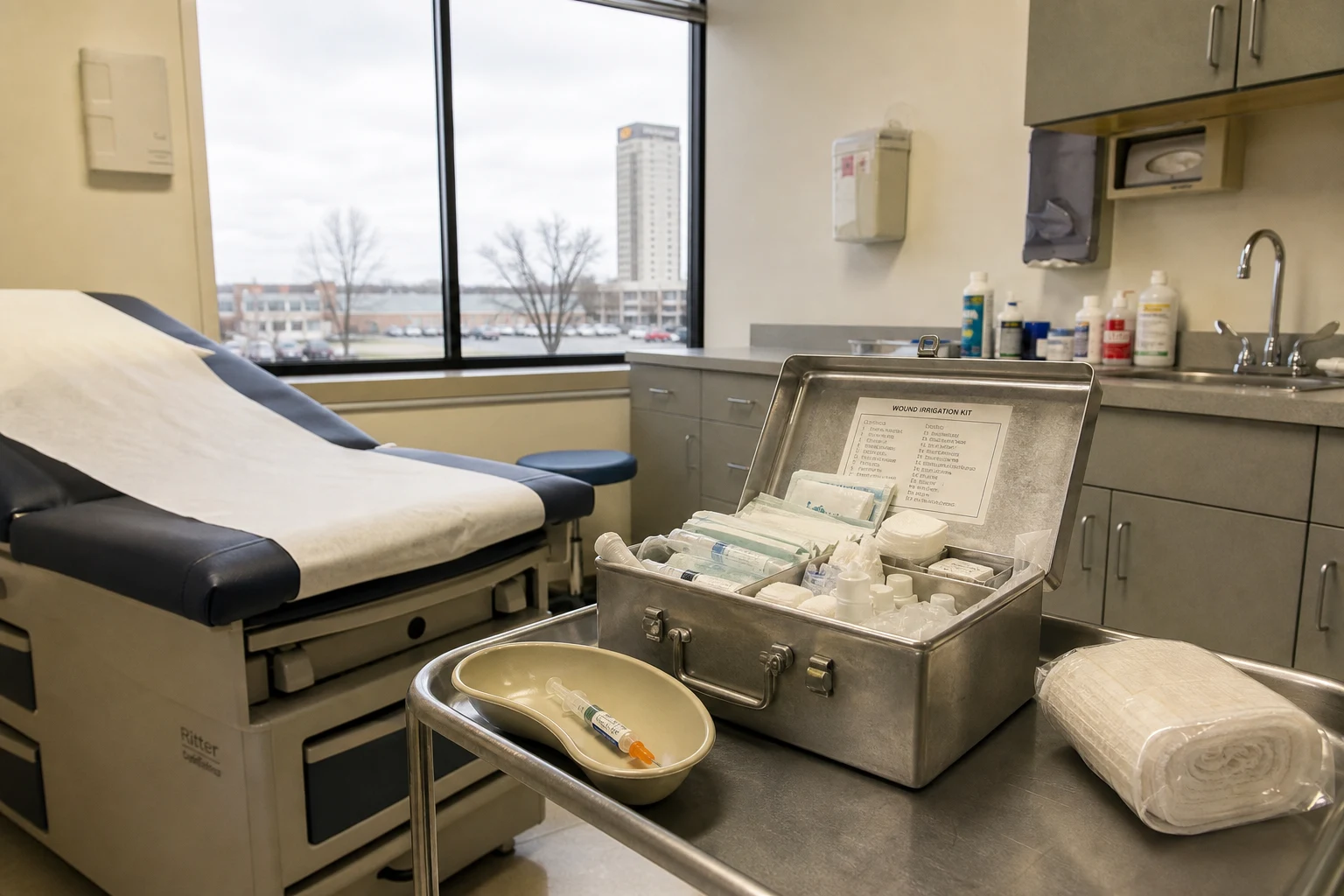
Empty Fort Wayne urgent care exam room with a wound-irrigation kit, tetanus syringe in a kidney basin, antiseptic bottles, and gauze — the medical response to every Indiana dog-bite case and the foundation of every dog-bite damages claim.
Fort Wayne urgent-care wound care, tetanus prophylaxis, and rabies decisions all happen in the first hours after a bite.
Injury typeTreatment cost rangeSettlement range (clear liability)
Surface laceration / minor puncture$500 – $5,000$5,000 – $25,000
Deep puncture / infection / antibiotics course$3,000 – $15,000$15,000 – $75,000
Hand / finger bite with nerve damage$15,000 – $80,000$50,000 – $300,000
Facial bite — adult$25,000 – $150,000$75,000 – $500,000
Facial bite — child (lifelong scarring)$50,000 – $300,000$250,000 – $1,500,000+
Multi-bite mauling with reconstructive surgery$200,000 – $1,000,000+$500,000 – $2,500,000+

The settlement ranges assume clear liability and adequate insurance. Where breed exclusions apply or the dog's owner is uninsured, the practical recovery may be a fraction of the value of the case. Our Fort Wayne personal injury lawyers evaluate every layer of available coverage before advising on settlement.

How are child dog-bite cases different in Indiana?

Short answer: Child dog-bite cases settle higher — often by a multiple — because Indiana law restricts contributory-negligence defenses against young children, the scarring is lifelong, and the psychological impact (dog-anxiety, PTSD, social withdrawal) runs decades. Settlements involving minors require Indiana Worker's Compensation Board or court approval and are typically structured into an Indiana minor's trust until the child reaches majority.

Small child's hand wrapped in white gauze bandages, gently held by a parent on a kitchen table — the lifelong injuries behind every Indiana child dog-bite case our Fort Wayne dog bite attorneys handle.
Indiana child dog-bite cases settle higher — limited contributory-negligence defenses, lifelong scarring, and decades of psychological impact.

Why child dog-bite cases differ:

  • Indiana case law restricts contributory negligence for young children. A child too young to appreciate the danger of a dog cannot legally "provoke" the dog in the way an adult might. The strict-liability statute applies with greater force.
  • Facial bites cause lifelong cosmetic damage. Children are bitten on the face at much higher rates than adults because of height proximity to the dog's mouth. Scar revision surgery in adolescence is common and expensive.
  • Psychological injury is documented and recoverable. Pediatric PTSD, dog-anxiety, and social withdrawal are recognized injuries with treatment costs that extend through adolescence.
  • Settlement structure is regulated. Indiana courts oversee settlements for minors — typically the funds go into a minor's trust or court-approved structured settlement until the child reaches majority. Our Fort Wayne child accident attorneys handle this structuring in every minor-claim case.

What should you do in the first 48 hours after a Fort Wayne dog bite?

Short answer: Get medical care immediately (tetanus and rabies decisions are time-sensitive), photograph every wound and re-photograph daily for the first week, identify the dog and owner in writing, file a report with Fort Wayne Animal Care & Control, collect witness names, refuse to give a recorded statement to any insurance carrier, and call a Fort Wayne dog bite attorney before signing anything. The 48 hours after the bite set the strength of the case.

  1. Get medical care immediately. Go to a Fort Wayne urgent care or the ER even for what looks like a small bite. Dog mouths carry significant bacterial loads (Pasteurella, Capnocytophaga, Staphylococcus) and infection is common. Tetanus boosters and rabies post-exposure prophylaxis decisions must be made within hours, not days.
  2. Photograph every wound. Multiple angles, with a ruler or coin for scale. Re-photograph the same wounds every day for the first week as the bruising, swelling, and scarring evolve. Time-lapse documentation is the strongest evidence of cosmetic damages in any later claim.
  3. Identify the dog and owner. Get the dog's name, breed (or apparent breed), and rabies-vaccination status if possible. Get the owner's full name, address, and phone number. Note exactly where the bite happened, whether the dog was leashed or contained, and whether there were any warning signs visible.
  4. File an Animal Control report. Call Fort Wayne Animal Care & Control to report the bite. The official incident report becomes a key evidence document and triggers an investigation of the dog's prior history.
  5. Collect witness names. Anyone who saw the bite, saw the dog before the bite, or has knowledge of the dog's prior aggression is a potential witness. Get names and phone numbers before people move on.
  6. Do not sign anything from the owner's insurer. Homeowner's-insurance adjusters often call within 24 hours and offer a quick settlement that releases every future claim — including injuries that haven't been diagnosed yet. Politely decline and refer them to your attorney.
  7. Call a Fort Wayne dog bite attorney. Free consultation, no upfront cost. The strict-liability statute has carve-outs that the carrier will use; an attorney protects the claim from the first phone call.

What evidence wins Indiana dog-bite cases?

Short answer: Three categories of evidence carry most cases — the Animal Control incident report, vet records (especially the dog's bite history and behavioral notes), and time-lapse scar photography. Add the homeowner's insurance declaration page (to identify the policy), medical records (to document the medical timeline), and a qualified expert for PTSD and cosmetic-damage valuations in serious cases.

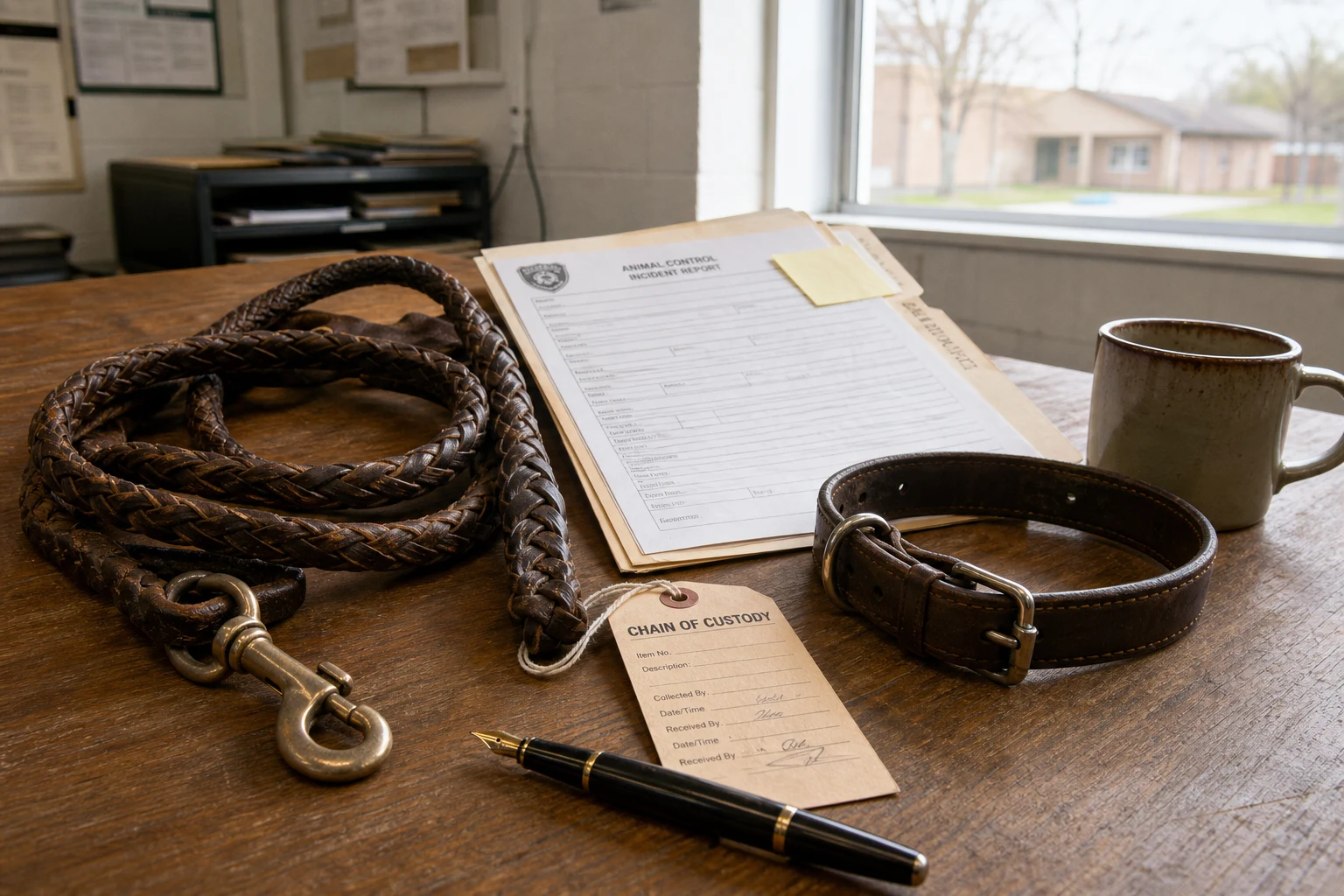
Animal Control incident folder on a Fort Wayne attorney's wooden desk with a leather leash, collar, chain-of-custody tag, and printed report — the evidence package an Indiana dog-bite lawyer builds in every case.
Animal Control reports, vet records, and time-lapse scar photography — the three highest-value evidence categories in every Indiana dog-bite case.
  • Animal Control incident report. Fort Wayne Animal Care & Control's report documents the bite circumstances, the dog's vaccination status, and (often) the owner's statements at the scene. It is the single most important document we subpoena.
  • Vet records. The dog's veterinary history reveals prior aggression, behavioral concerns, and rabies-vaccination compliance. Even when the dog has no prior bite history, the vet's behavioral notes are useful.
  • Time-lapse wound photography. Daily photographs of the wound's progression document scarring, infection, and the medical timeline. Most dog-bite victims forget to do this; the cases where photos exist settle higher.
  • Homeowner's or renter's insurance declaration page. Identifies the policy, the carrier, the limits, and (critically) any breed exclusions or specific endorsements.
  • Medical records. ER visit, urgent care, infectious-disease follow-up, plastic surgery consultations, psychiatric evaluations for PTSD.
  • Expert testimony. For serious injuries, a plastic surgeon documents the cosmetic damages and a psychologist or psychiatrist evaluates dog-anxiety / PTSD. The medical expert is the bridge between the medical record and the damages calculation.

How long do I have to file an Indiana dog-bite claim?

Short answer: Two years from the date of the bite under Indiana Code § 34-11-2-4[3]. For children, the deadline is generally tolled until the child reaches the age of majority — meaning a child bitten at age 6 could potentially file as late as age 20 in some circumstances. Don't rely on that without an attorney's advice; evidence preservation deteriorates the longer you wait.

Indiana also applies the modified comparative-fault rule (IC § 34-51-2)[4] to dog-bite cases. If the victim is found to be partly at fault (provocation, trespass, ignoring posted warnings, etc.), recovery is reduced by the percentage of fault attributed to the victim. Recovery is barred entirely if the victim is more than 50% at fault.

Why choose Delventhal Law for your Fort Wayne dog bite case?

We find what others miss. Most local firms approach a dog-bite case as a standard premises-liability matter. Our Fort Wayne dog-bite attorneys read the homeowner's policy first to identify breed exclusions and endorsement issues; subpoena the Animal Control report and vet records to document the dog's prior history; coordinate plastic-surgery and psychiatric evaluations to capture the full damage scope; and run both the strict-liability claim under IC 15-20-1-3[1] and a backup negligence claim in parallel, so the case survives even if the carrier successfully argues a statutory carve-out.

Founded in 2009 by Chad Delventhal, our firm represents injured Hoosiers across Allen County and northeast Indiana. We've handled over 1,500 personal injury cases since opening, with 145+ five-star reviews on Google. There's no charge to talk. If we take your case, you pay nothing unless we recover. Call us at (260) 484-6655 — we answer the phone 24 hours a day, 7 days a week. You can also reach our Fort Wayne dog bite attorney practice page or use the free case evaluation form.

Frequently asked questions about Indiana dog-bite law

Is Indiana a strict-liability dog-bite state?

Mostly yes — Indiana Code § 15-20-1-3 imposes strict liability on a dog's owner when the victim was peacefully and lawfully present where the bite occurred. The statute does not require the owner to have known the dog was dangerous. But the statute has carve-outs (provocation, trespass, unlawful presence) that the owner's insurance carrier will use to fight the claim.

Who pays after a dog bite in Fort Wayne?

In roughly 80% of cases, the owner's homeowner's or renter's insurance policy pays. Standard policies include $100,000 to $500,000 of personal liability coverage that covers dog-bite injuries. Umbrella policies stack on top for catastrophic cases. If the dog is on the carrier's breed-exclusion list (Pit Bull, Rottweiler, Doberman, German Shepherd, Wolf hybrids), the claim may be denied — in which case recovery comes from the owner's personal assets.

Can I sue if the dog had never bitten anyone before?

Yes. Indiana's strict-liability statute does not require any prior bite history. The owner is liable regardless of whether the dog had previously shown aggression — as long as the statutory conditions are met. This is a meaningful difference from common-law "one-bite rule" states.

What if the dog bit me on the owner's property?

The strict-liability statute often applies if you were lawfully present — for example, as a social guest, an invitee, a delivery driver, or a person performing a legal duty. The owner's defense will be that you were trespassing or were somewhere you had no right to be. Cases turn on the specific facts of the entry.

What if the dog bit me but didn't break the skin?

Bites that bruise, scratch, or cause psychological trauma without breaking the skin still support a personal-injury claim. Indiana's statute covers "bodily injury" caused by the dog, which includes any physical or mental harm. Document the bruising, the bite marks, and any psychological symptoms (dog-anxiety, nightmares, fear of going outside) for the claim.

What about a child who was bitten?

Child dog-bite cases settle higher because Indiana law restricts contributory-negligence defenses against young children, the scarring is lifelong, and psychological injuries last for years. Settlements involving minors require court approval and are typically structured into an Indiana minor's trust. Our Fort Wayne child accident attorneys handle this structuring in every minor case.

How long do I have to file an Indiana dog-bite claim?

Two years from the date of the bite under IC § 34-11-2-4[3]. For minors, the deadline may be tolled until the child reaches the age of majority. Evidence (especially photos and witness recollection) deteriorates quickly, so call a Fort Wayne dog-bite attorney as soon as you can after the bite.

How much does it cost to hire a Fort Wayne dog-bite attorney?

Nothing upfront. Our firm takes dog-bite cases on contingency — you pay no attorney's fees unless we recover compensation for you. The initial consultation is free. Most dog-bite cases settle out of court within several months once the medical timeline is documented and the homeowner's policy has been identified.

Sources

  1. Indiana Code § 15-20-1-3 (iga.in.gov)
  2. IC 15-20-1 (iga.in.gov)
  3. IC § 34-11-2-4 (iga.in.gov)
  4. modified comparative-fault rule (IC § 34-51-2) (iga.in.gov)

Frequently asked

The short version

Direct answers to the questions this article unpacks in full.

  1. What does Indiana's dog-bite law actually say?

    Short answer: Indiana Code § 15-20-1-3 imposes strict liability on a dog's owner for any bodily injury caused by the dog when the victim is peacefully and lawfully present, regardless of whether the dog had previously shown aggression. This is a much friendlier rule for victims than the common-law "one-bite rule" used in states without a strict-liability statute.

  2. When does Indiana's strict-liability dog-bite statute NOT apply?

    Short answer: Three common situations strip away strict-liability protection — trespass, provocation, and the victim being in a place they had no lawful right to be. In those situations, Indiana courts fall back on traditional negligence analysis, which puts the burden on the victim to prove the owner knew or should have known the dog was dangerous.

  3. Who actually pays after a Fort Wayne dog bite?

    Short answer: Homeowner's insurance is the primary payer in roughly 80% of Indiana dog-bite claims. Renter's insurance covers when the owner rents. Umbrella policies kick in for catastrophic injuries that exceed the homeowner's limits.

  4. What injuries do most Fort Wayne dog bite cases involve?

    Short answer: Puncture wounds with deep tissue infection risk, nerve damage from bites to hands and faces, lifelong scarring (especially in children), PTSD and dog-anxiety, tendon and ligament damage from arm and leg bites, and (in the worst cases) major reconstructive surgery. The medical timeline routinely runs months for adults and years for children.

  5. How are child dog-bite cases different in Indiana?

    Short answer: Child dog-bite cases settle higher — often by a multiple — because Indiana law restricts contributory-negligence defenses against young children, the scarring is lifelong, and the psychological impact (dog-anxiety, PTSD, social withdrawal) runs decades.

  6. What should you do in the first 48 hours after a Fort Wayne dog bite?

    Short answer: Get medical care immediately (tetanus and rabies decisions are time-sensitive), photograph every wound and re-photograph daily for the first week, identify the dog and owner in writing, file a report with Fort Wayne Animal Care & Control, collect witness names, refuse to give a recorded statement to any insurance carrier, and call a Fort Wayne dog bite attorney…

  7. What evidence wins Indiana dog-bite cases?

    Short answer: Three categories of evidence carry most cases — the Animal Control incident report, vet records (especially the dog's bite history and behavioral notes), and time-lapse scar photography. Add the homeowner's insurance declaration page (to identify the policy), medical records (to document the medical timeline), and a qualified expert for PTSD and cosmetic-damage valuations in serious cases.

  8. How long do I have to file an Indiana dog-bite claim?

    Short answer: Two years from the date of the bite under Indiana Code § 34-11-2-4 . For children, the deadline is generally tolled until the child reaches the age of majority — meaning a child bitten at age 6 could potentially file as late as age 20 in some circumstances.

  9. Why choose Delventhal Law for your Fort Wayne dog bite case?

    We find what others miss. Most local firms approach a dog-bite case as a standard premises-liability matter. Our Fort Wayne dog-bite attorneys read the homeowner's policy first to identify breed exclusions and endorsement issues; subpoena the Animal Control report and vet records to document the dog's prior history; coordinate plastic-surgery and psychiatric evaluations to capture the full damage scope; and…

  10. Is Indiana a strict-liability dog-bite state?

    Mostly yes — Indiana Code § 15-20-1-3 imposes strict liability on a dog's owner when the victim was peacefully and lawfully present where the bite occurred. The statute does not require the owner to have known the dog was dangerous. But the statute has carve-outs (provocation, trespass, unlawful presence) that the owner's insurance carrier will use to fight the claim.

  11. Who pays after a dog bite in Fort Wayne?

    In roughly 80% of cases, the owner's homeowner's or renter's insurance policy pays. Standard policies include $100,000 to $500,000 of personal liability coverage that covers dog-bite injuries. Umbrella policies stack on top for catastrophic cases.

  12. Can I sue if the dog had never bitten anyone before?

    Yes. Indiana's strict-liability statute does not require any prior bite history. The owner is liable regardless of whether the dog had previously shown aggression — as long as the statutory conditions are met. This is a meaningful difference from common-law "one-bite rule" states.

  13. What if the dog bit me on the owner's property?

    The strict-liability statute often applies if you were lawfully present — for example, as a social guest, an invitee, a delivery driver, or a person performing a legal duty. The owner's defense will be that you were trespassing or were somewhere you had no right to be. Cases turn on the specific facts of the entry.

  14. What if the dog bit me but didn't break the skin?

    Bites that bruise, scratch, or cause psychological trauma without breaking the skin still support a personal-injury claim. Indiana's statute covers "bodily injury" caused by the dog, which includes any physical or mental harm. Document the bruising, the bite marks, and any psychological symptoms (dog-anxiety, nightmares, fear of going outside) for the claim.

  15. What about a child who was bitten?

    Child dog-bite cases settle higher because Indiana law restricts contributory-negligence defenses against young children, the scarring is lifelong, and psychological injuries last for years. Settlements involving minors require court approval and are typically structured into an Indiana minor's trust. Our Fort Wayne child accident attorneys handle this structuring in every minor case.

  16. How long do I have to file an Indiana dog-bite claim?

    Two years from the date of the bite under IC § 34-11-2-4 . For minors, the deadline may be tolled until the child reaches the age of majority. Evidence (especially photos and witness recollection) deteriorates quickly, so call a Fort Wayne dog-bite attorney as soon as you can after the bite.

  17. How much does it cost to hire a Fort Wayne dog-bite attorney?

    Nothing upfront. Our firm takes dog-bite cases on contingency — you pay no attorney's fees unless we recover compensation for you. The initial consultation is free. Most dog-bite cases settle out of court within several months once the medical timeline is documented and the homeowner's policy has been identified.

Working with Delventhal Law

Common questions

How fees work, deadlines that matter, and what to expect when you call.

  1. How much does it cost to hire Delventhal Law Office?

    There is no up-front cost. Personal-injury cases are handled on a contingency-fee basis: you pay nothing unless we recover compensation for you. The initial consultation is free and carries no obligation. Call (260) 484-6655 to talk through your situation.

  2. How long do I have to file a personal injury claim in Indiana?

    Indiana generally gives you two years from the date of injury to file a personal-injury lawsuit (Indiana Code § 34-11-2-4). Shorter deadlines can apply when a government entity is involved or in some workers' compensation matters. The sooner you call, the more options you have.

  3. What if I'm partly at fault for the accident?

    Indiana follows a modified comparative-fault rule (Indiana Code § 34-51-2-6). You can still recover compensation as long as you are not more than 50% at fault. Your recovery is reduced by your percentage of fault. Even if you think you share blame, call us — the insurance company's first assignment of fault is often wrong.

  4. Do I have to come into the office to meet with you?

    No. We meet clients by phone, video call, at their home, or at the hospital. The Delventhal Law Office is in downtown Fort Wayne, but most of our clients live across Indiana and we come to you when that's easier.

  5. How quickly should I call after an accident?

    As soon as you can. Evidence disappears fast — skid marks fade, surveillance video is overwritten, witnesses move on. Insurance adjusters also start calling within days. Talking to us before you give a recorded statement protects your claim.

  6. What kinds of cases does Delventhal Law handle?

    We represent injured plaintiffs in car, truck, motorcycle, bicycle, and pedestrian accidents; workers' compensation and on-the-job injuries; wrongful death; slip-and-fall and premises liability; birth injuries; burn injuries; and other personal-injury claims across Indiana.

INJURED? CONFUSED?

CALL US TODAY

(260) 484-6655
Call now260-484-6655Live Chat