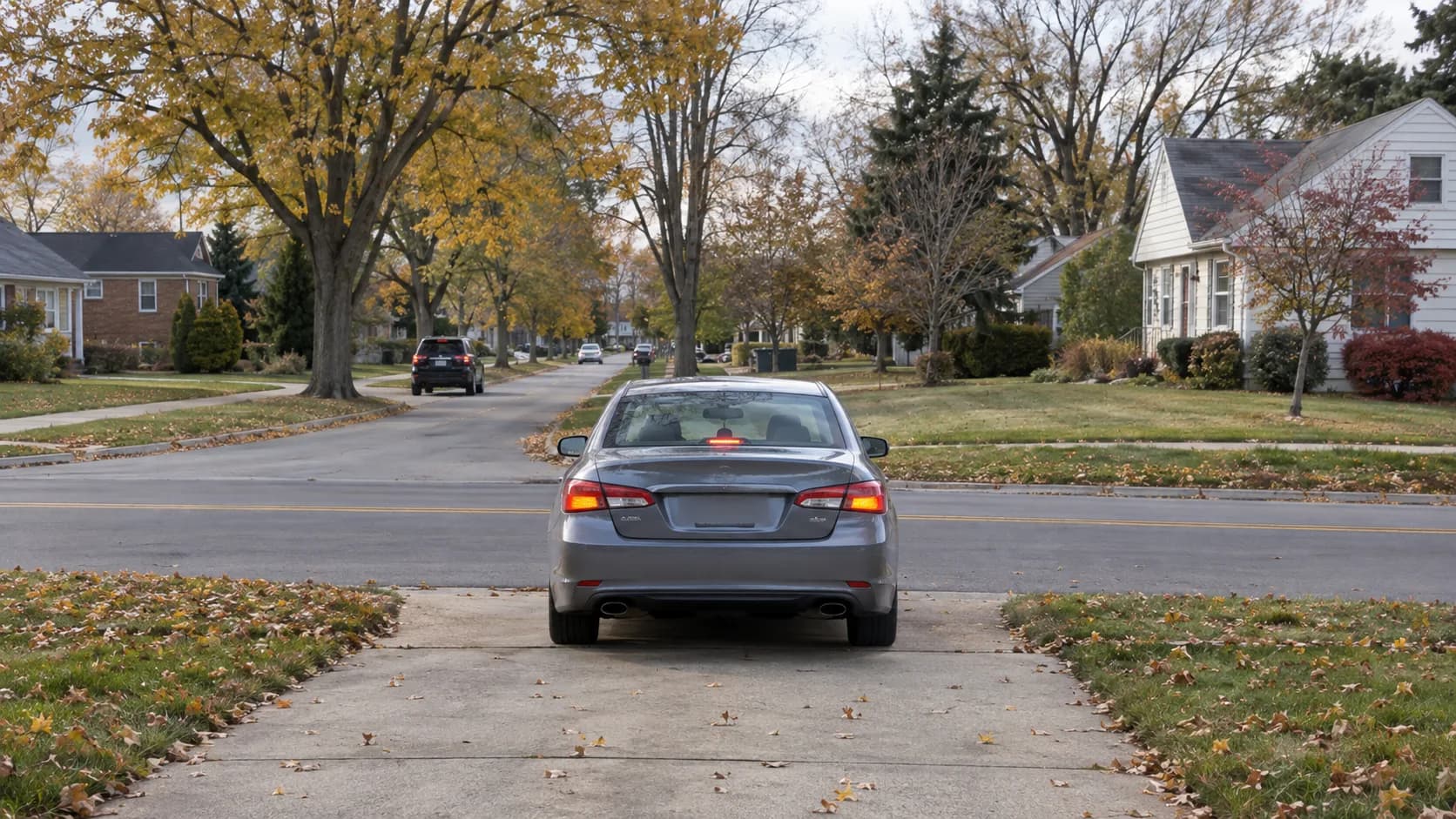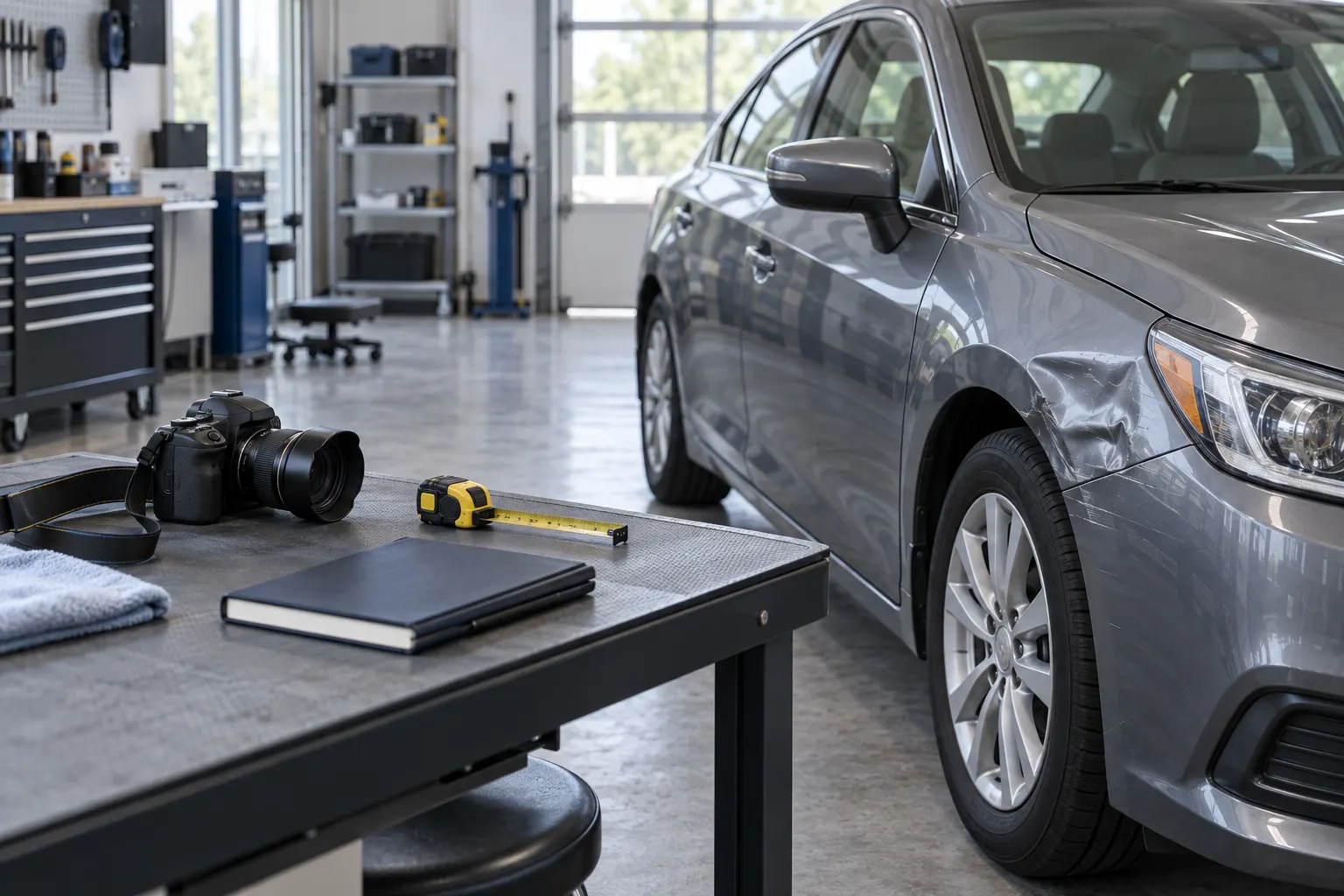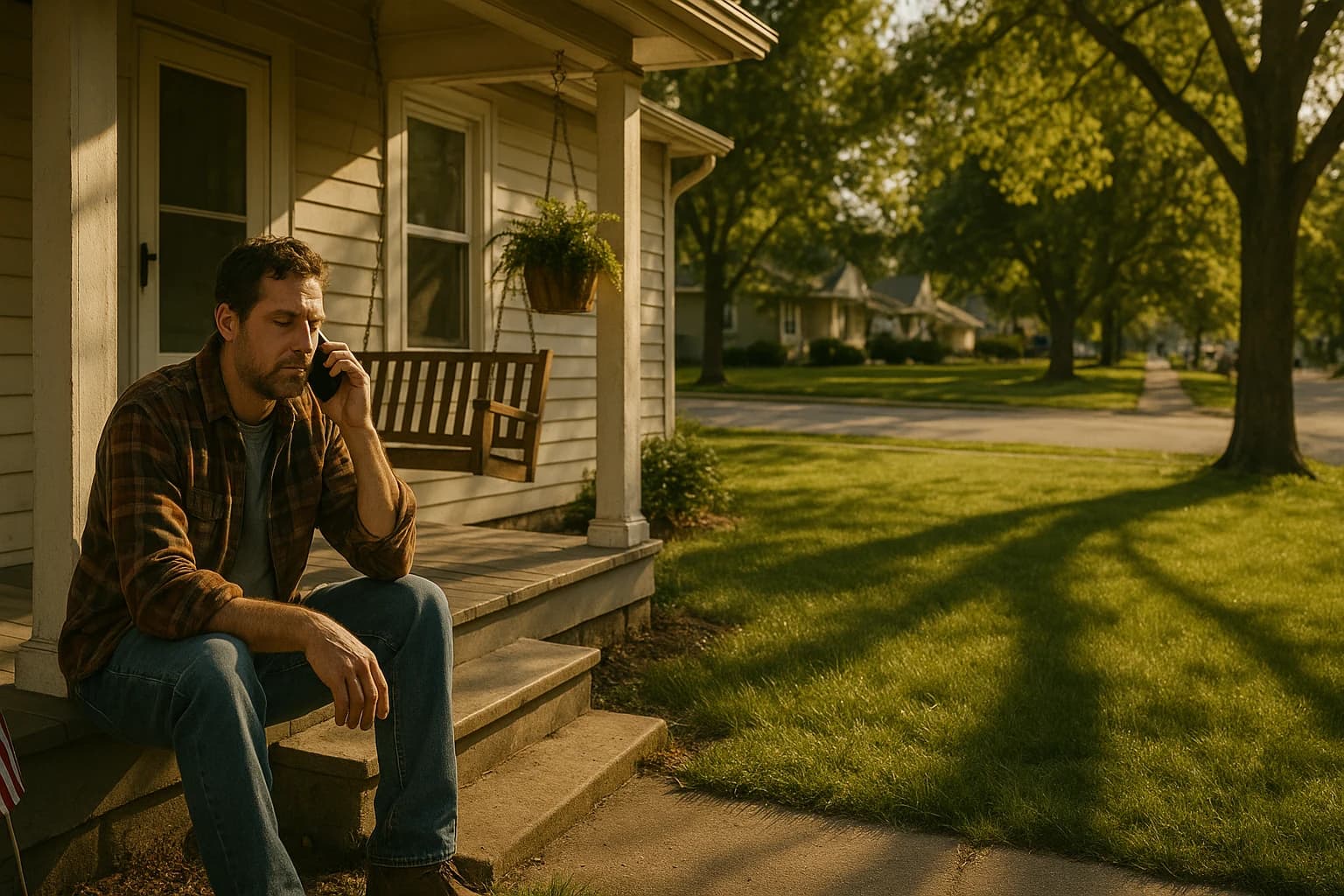
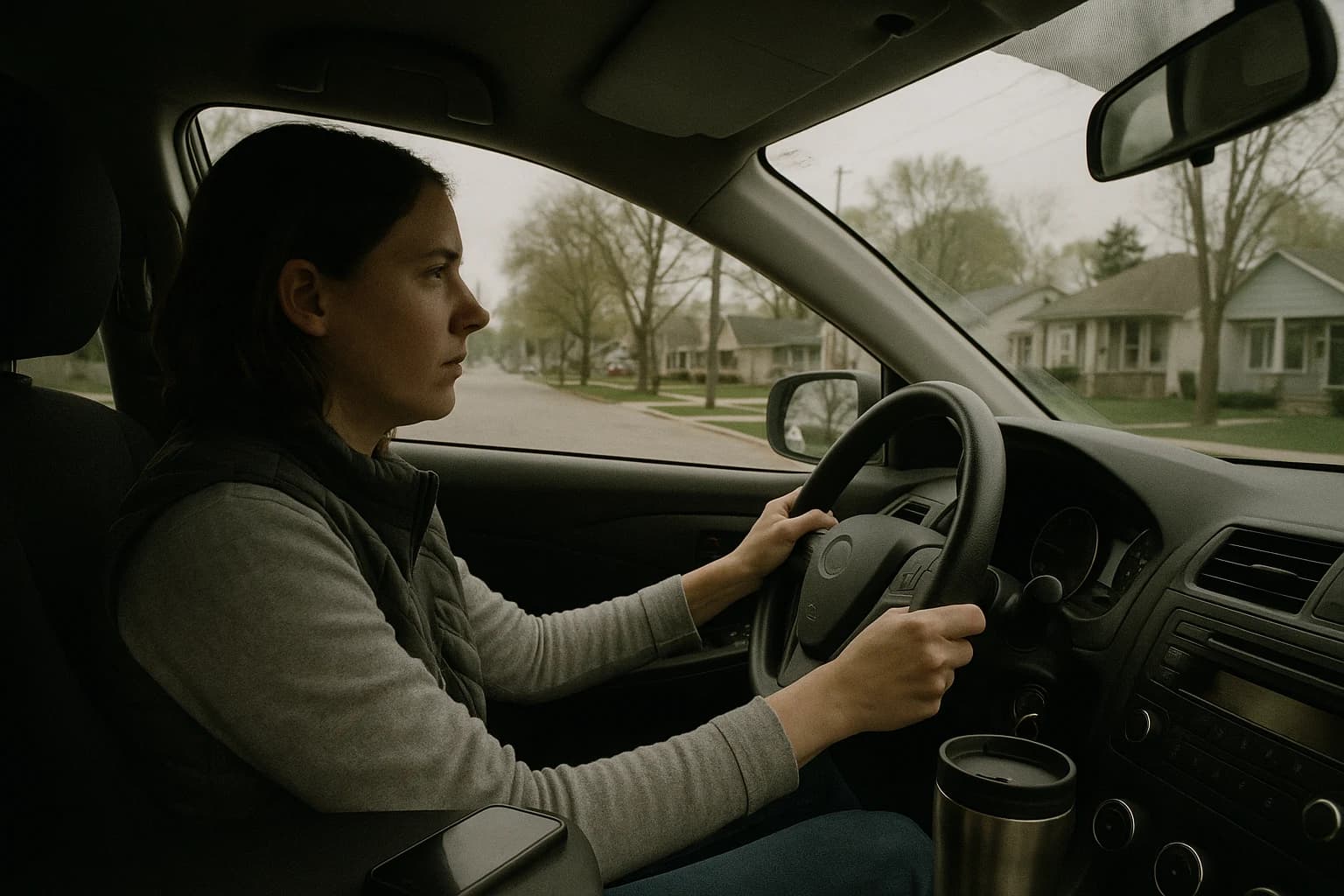
This article is about what distracted driving actually looks like in Fort Wayne, why it has gotten worse rather than better, and what concrete habits prevent it. It is written for the driver who wants to lower their own risk and the parent who wants to teach a teenager who just got a license. It is also written for anyone who has been hit by a distracted driver and is now wondering how this keeps happening.
What Counts as Distracted Driving (More Than You Think)
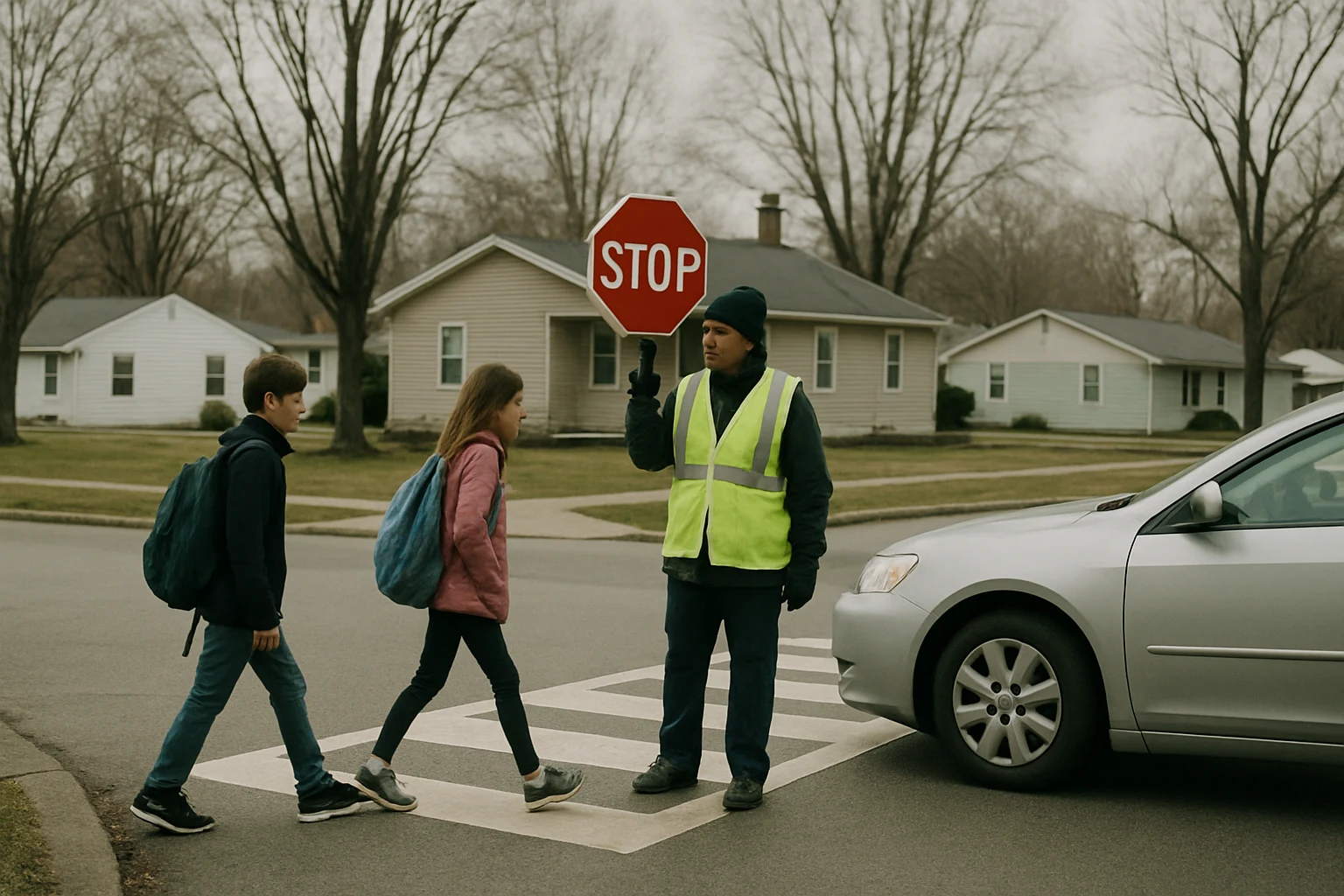
The federal definition of distracted driving covers any activity that diverts attention from driving. Researchers break the category into three overlapping kinds of distraction:
- Visual: taking your eyes off the road. Phone screens, infotainment displays, dropped items, billboards, kids in the back seat, looking at the radio knob.
- Manual: taking your hands off the wheel. Texting, reaching for a coffee, adjusting climate control, eating, applying makeup, reaching across the cabin.
- Cognitive: taking your mind off driving. Phone calls (even hands-free), heated conversations, daydreaming, stress, fatigue, intoxication.
Texting is the worst offender because it combines all three. But the most common form of distracted driving in Fort Wayne is not texting. It is the dozens of micro-distractions every drive carries: looking up a song, taking a sip of coffee, glancing at the navigation screen, reaching for a wallet, turning to talk to a passenger. Each one is small. Each one removes attention for a beat. The crash happens during one of those beats.
Indiana’s Hands-Free Law in Plain English
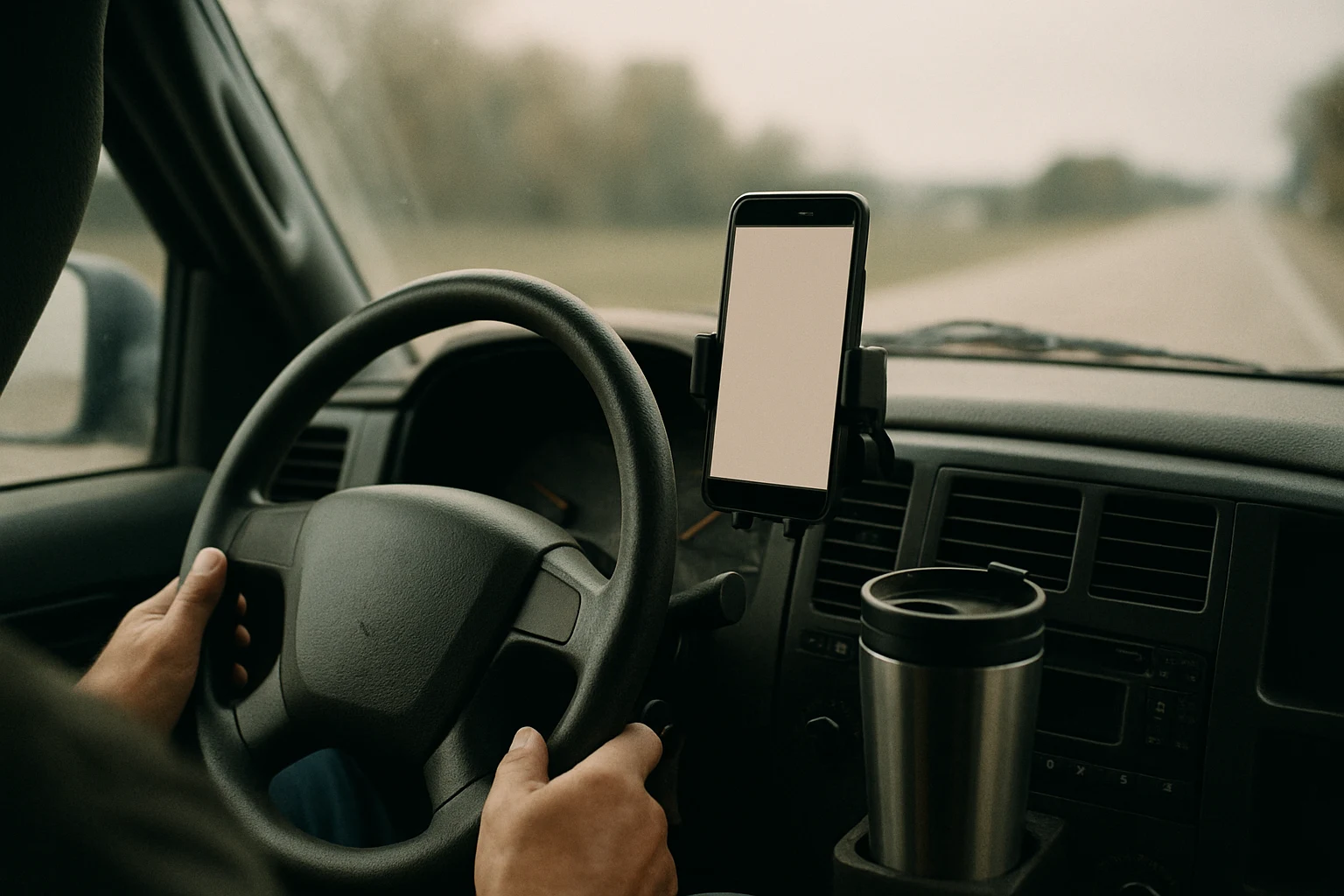
Indiana Code 9-21-8-59[1] went into effect on July 1, 2020. The rule: no driver may hold a portable electronic device while operating a vehicle on an Indiana road. Hands-free Bluetooth, voice-activated calls, navigation set up before the car moves, all of that remains legal. Holding the device for any reason while driving is not.
The penalty for a first offense is up to $500 and a Class C infraction. After two violations within three years, four points hit the driver’s license. The law applies on every road and parking lot open to public traffic, including drive-throughs, gas stations, and shopping center lots where Fort Wayne fender-benders are common.
Enforcement varies. Fort Wayne Police, Allen County Sheriff’s deputies, and Indiana State Police troopers all cite the offense when they see it, but it is harder to prove than speeding, so plenty of violations go unenforced. The legal weight of the statute is biggest after a crash: if the at-fault driver was holding a phone, the violation supports a negligence per se argument and strengthens the injured driver’s civil case.
The Six Forms of Distraction That Cause Crashes
If you want to prevent it, you have to name it. These are the recurring sources of distraction in Indiana crashes.
Phone use
Texting, scrolling, taking pictures, watching short videos. Even a quick glance puts the eyes off the road for several seconds. Hands-free does not eliminate cognitive distraction; it reduces visual and manual.
Eating and drinking
Coffee in the morning, fast food on the way home. Spills are particularly dangerous because the instinct is to look down and react. A spilled cup of hot coffee turns into a lane departure faster than most drivers realize.
In-car technology
Touchscreen infotainment systems are visual distractions even when they replace physical knobs. AAA Foundation research found that adjusting a touchscreen to change the radio station takes about 40 seconds of focused attention. That is 40 seconds of half-driving.
Passenger and child management
Reaching back to hand a child a toy, turning to settle an argument, watching a baby in the rear-view mirror for too long. Parents underestimate this risk on familiar routes like the school commute.
Fatigue and drowsy driving
NHTSA estimates drowsy driving accounts for about 100,000 crashes a year. Driving after 20 hours awake is comparable to driving at a 0.08 blood alcohol level. Shift workers, long-haul drivers on US-30 and I-69, and parents of newborns are at the highest risk.
Emotional driving
Anger, grief, anxiety, or major distraction from a personal event. Drivers under emotional stress show measurably slower reaction times and poorer judgment behind the wheel.
The Habits That Actually Prevent Distracted Driving
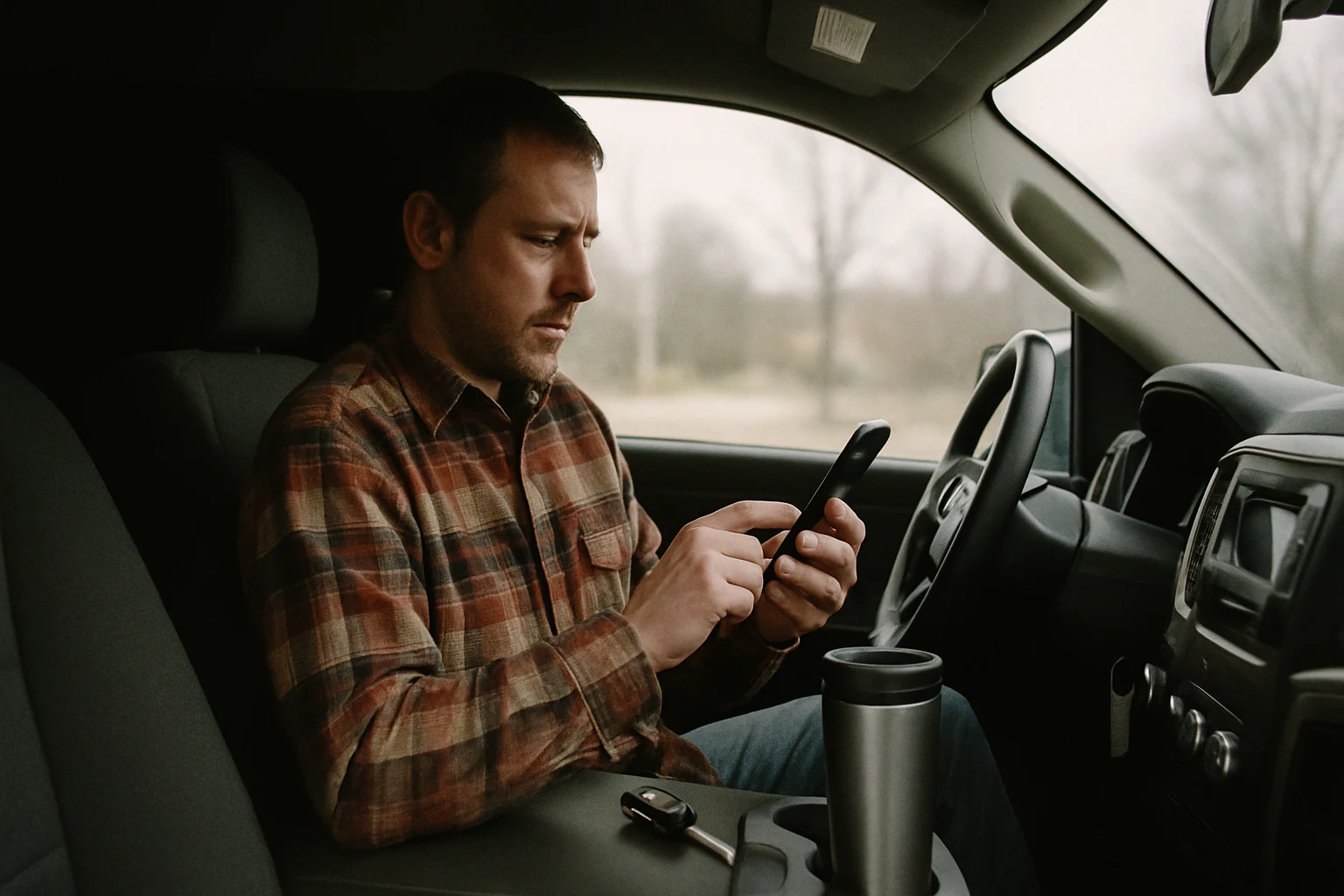
The research on behavior change is consistent: willpower is the worst safety system. The drivers who avoid distraction are the ones who make distraction physically inconvenient. These are the habits that actually move the needle.
- Phone in Do Not Disturb mode, every drive, no exceptions. Most phones have automatic driving mode that detects motion and silences notifications. Turn it on once and forget about it.
- Phone out of arm’s reach. If you can grab it, you will. Glove box, center console, back seat. The friction stops the impulse.
- Set up before you move. Navigation entered, playlist chosen, climate set, mirrors adjusted, seat belt fastened, before the car leaves park. Five quiet minutes saves a crash.
- No eating or drinking at highway speed. Coffee can wait until you are stopped. So can the burger. Pull over if you must.
- Address kids before you drive, not while you drive. Snacks, toys, complaints, bathroom breaks. Handle them parked or at a complete stop.
- Drowsy means pull over. If you are nodding off or yawning every minute, stop at the next exit. Fifteen minutes of rest in the driver’s seat reduces fatigue measurably.
- Emotional state is a driving issue. If you are crying, screaming, or seeing red, do not drive. Walk, sit, breathe, call someone. Then drive.
What to Do If a Distracted Driver Hit You
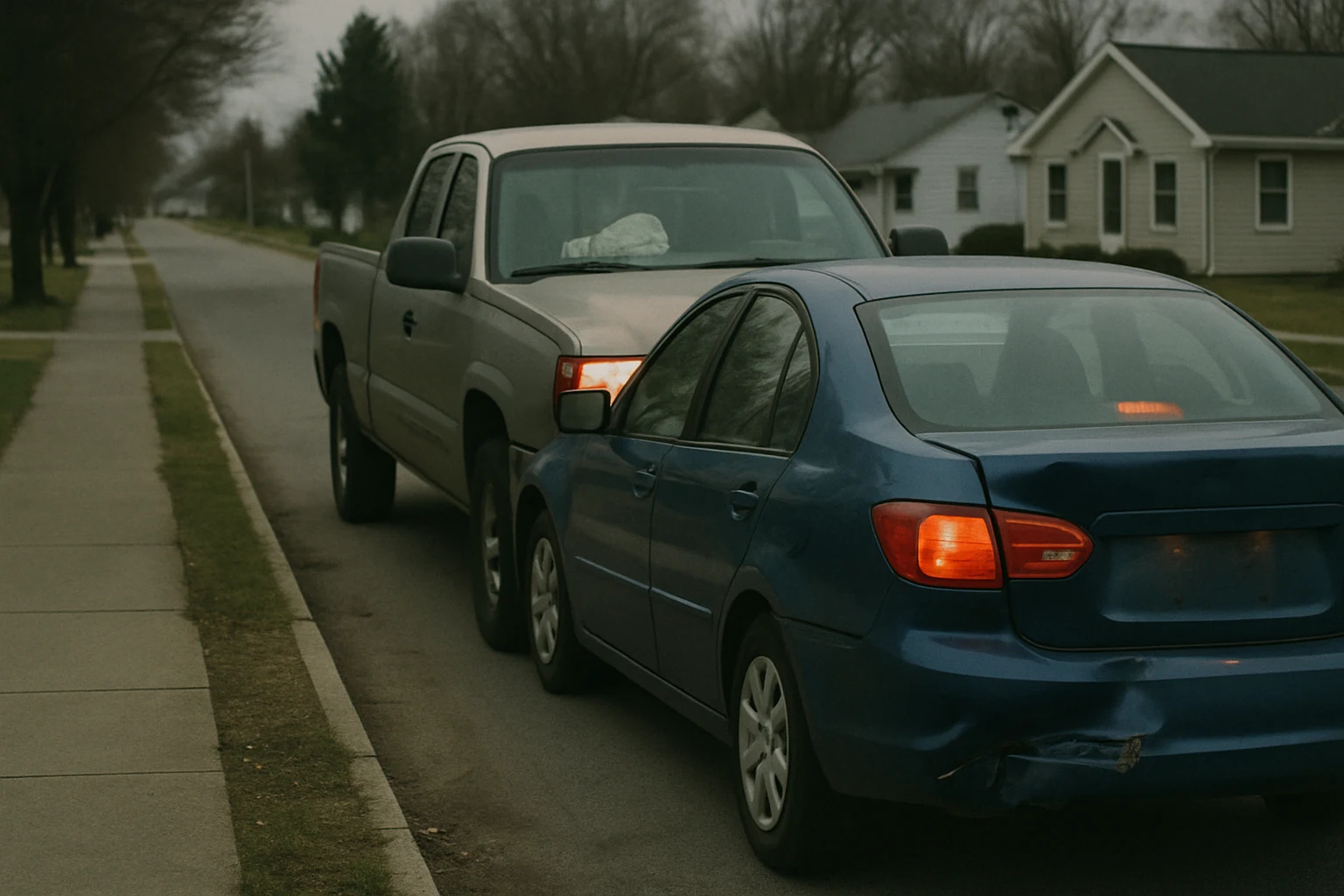
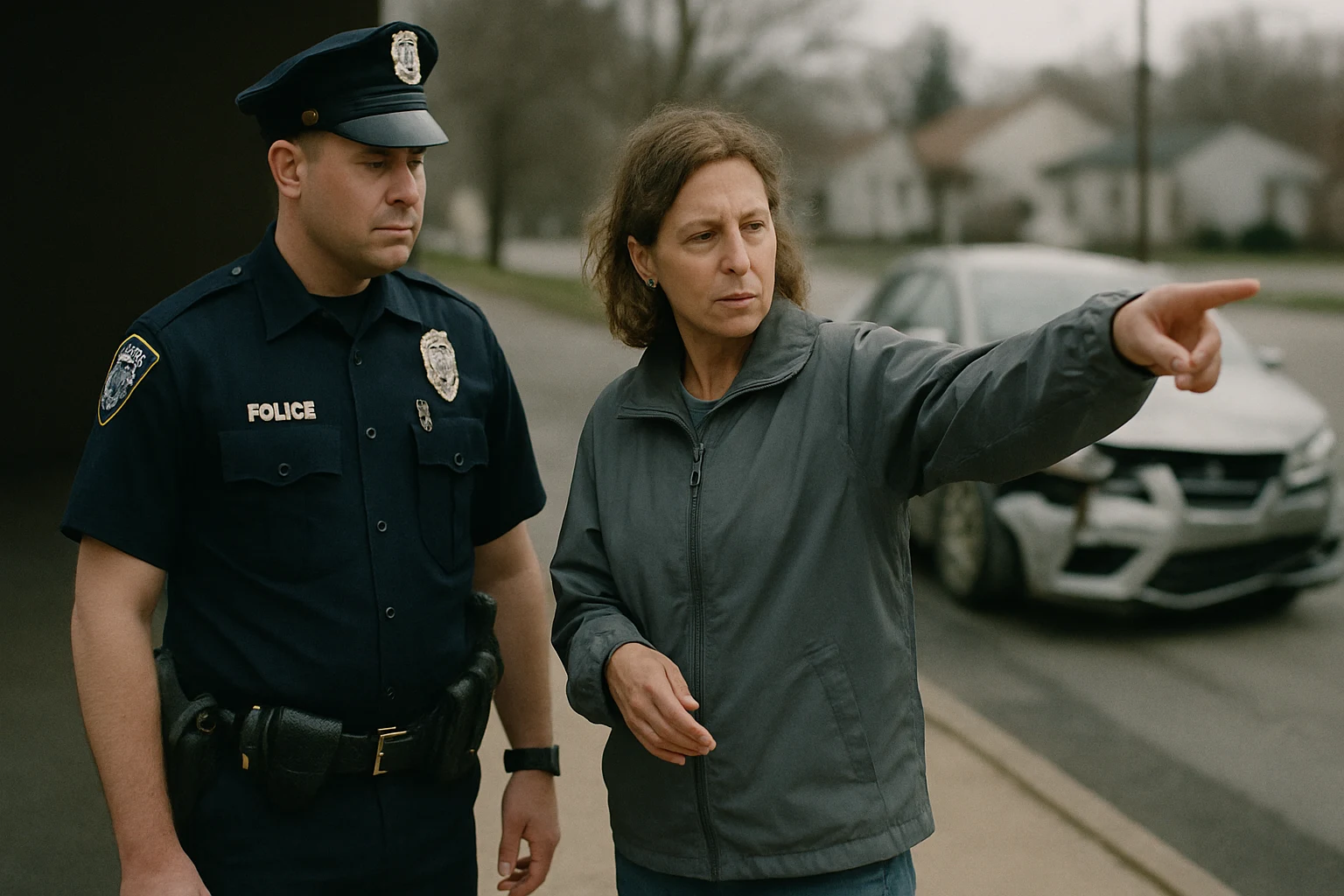
If you have been hit by a driver who was clearly distracted, the rules are the same as any other crash, with one addition: lock down the distraction evidence before it decays. The carriers know that phone records, surveillance video, and witness memory all have short shelf lives.
- Call the police from the scene. The crash report is the foundation of the case.
- Document distraction. If you saw the other driver on a phone, write it down. If anyone else saw it, get their name and number.
- Photograph everything: the cars, the road, the position of the phone if you can see it, the position of any food, coffee, or items inside the other car.
- Get medical evaluation within 72 hours, even if you feel fine. Adrenaline masks soft-tissue and concussion injuries.
- Do not give a recorded statement to the other driver’s insurer. You are not required to.
- Talk to a Fort Wayne car accident attorney within 30 days. The preservation work on phone records and video has a short window.
How Delventhal Law Office Approaches Distracted Driving Cases
Distracted driving claims are won in the first 30 days, not the last 30 days. The driver will deny phone use the moment the officer walks away. The phone records exist, but only for so long. The surveillance video at the intersection rewrites itself in two to four weeks. Witnesses go on with their lives and stop remembering.
Our standard workflow on a suspected distraction case starts with a preservation letter to the at-fault driver’s wireless carrier within days of intake. Subpoenas go out as soon as a complaint is filed. Surveillance video is pulled from every business with a camera in line of sight. The crash vehicle is held until the event data recorder can be downloaded.
The civil case lives separately from any criminal infraction the driver might face. The state’s ticket is a piece of evidence. The civil case is where injured drivers actually get compensated for medical bills, lost wages, and pain and suffering, and it is the part a Fort Wayne distracted driving attorney builds day by day. You can use our Indiana car accident settlement calculator to organize the factors that may affect a claim’s value; it is an educational tool, not a promise of any result.
Every case at Delventhal Law Office is handled by Chad directly. Indiana State Bar, admitted 2008. Hundreds of Fort Wayne, Allen County, DeKalb, and Whitley County injury claims. One direct line to your attorney, day or night.
FAQs About Distracted Driving in Indiana
Is hands-free phone use legal in Indiana?
Yes. Indiana’s law bars only the holding of a portable electronic device. Bluetooth headsets, dashboard mounts, voice-activated calls, and built-in vehicle systems remain legal. Note that hands-free use is still cognitively distracting, even when it is not illegal.
Can I be cited if my phone is in a dashboard mount?
If the phone is in a mount and you do not touch it while the vehicle is moving, no. If you touch the screen to navigate, scroll, or compose a message, the violation applies. Voice commands and a single tap to answer a call are allowed in most enforcement interpretations.
What if the at-fault driver claims they were not on the phone?
Their carrier records will show the truth. A civil-case subpoena to AT&T, Verizon, T-Mobile, or another provider produces text-message timestamps and data session records, which can be matched against the crash time on the police report. The records do not lie.
Are there exceptions for emergencies?
Yes. The statute allows phone handling for 911 calls. It does not protect general personal calls, even ones that feel urgent at the moment. If you need to make a call, pull over and stop the vehicle.
How long do I have to file a claim if I was hit?
Two years from the date of the crash for personal injury under IC § 34-11-2-4[2]. Two years for property damage under IC § 34-11-2-7[3]. The evidence preservation work should start in the first 30 days, regardless of when suit is ultimately filed.
Talk to a Fort Wayne Car Accident Attorney
Distracted driving is the most preventable cause of serious crashes in Indiana, and it is the source of more rear-end and merge-lane wrecks on Fort Wayne streets than most drivers want to admit. If you have been hit by a distracted driver, the case can be built, but the evidence has a short shelf life and the carrier will spend the first 30 days closing ranks.
If you were injured in a crash in Allen County, DeKalb County, Whitley County, or anywhere in Indiana, talk to Delventhal Law Office before the phone records and surveillance video go cold. The consultation is free and you will be talking to Chad directly. Call (260) 484-6655 or contact us online to schedule a free case evaluation.