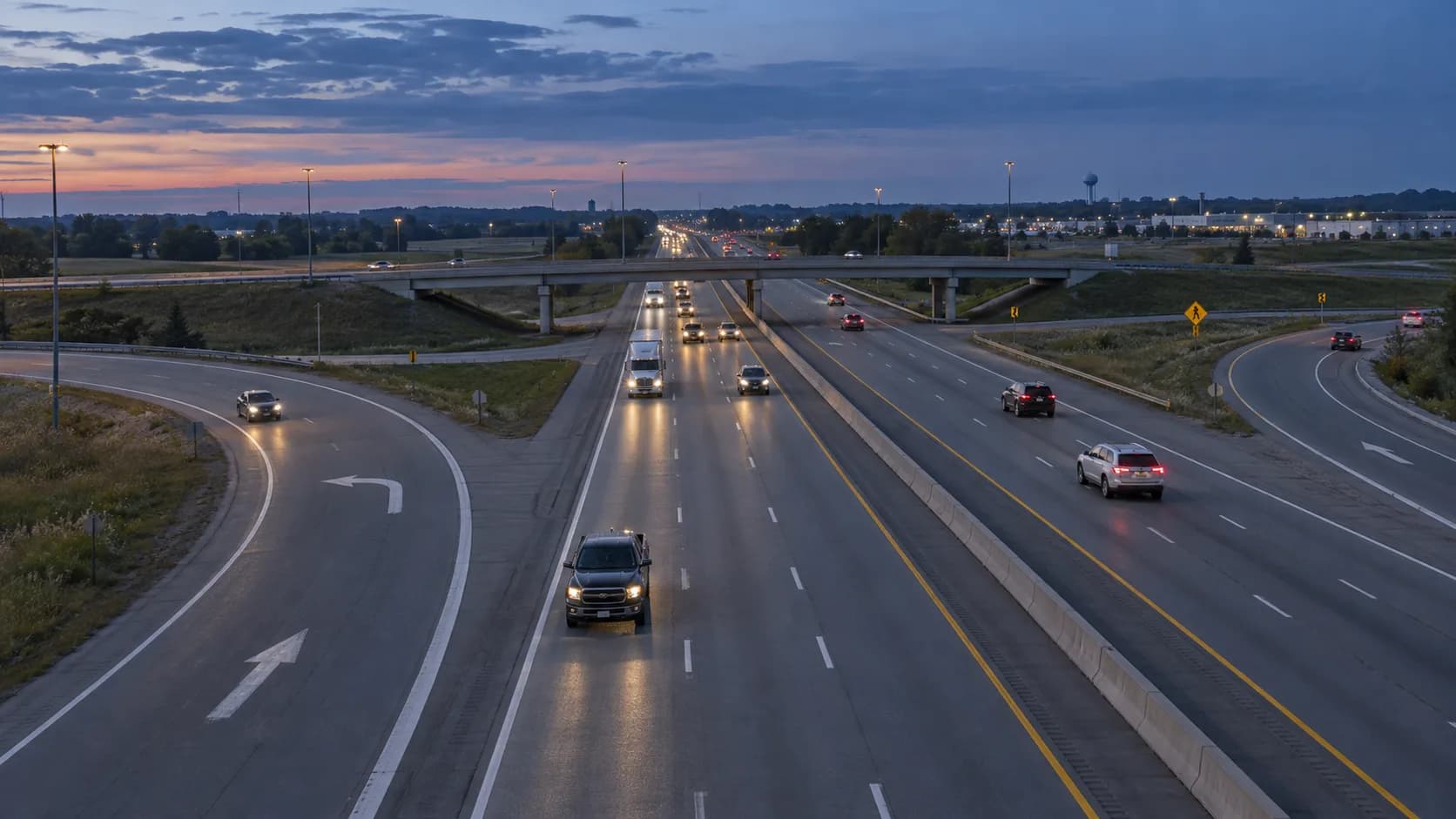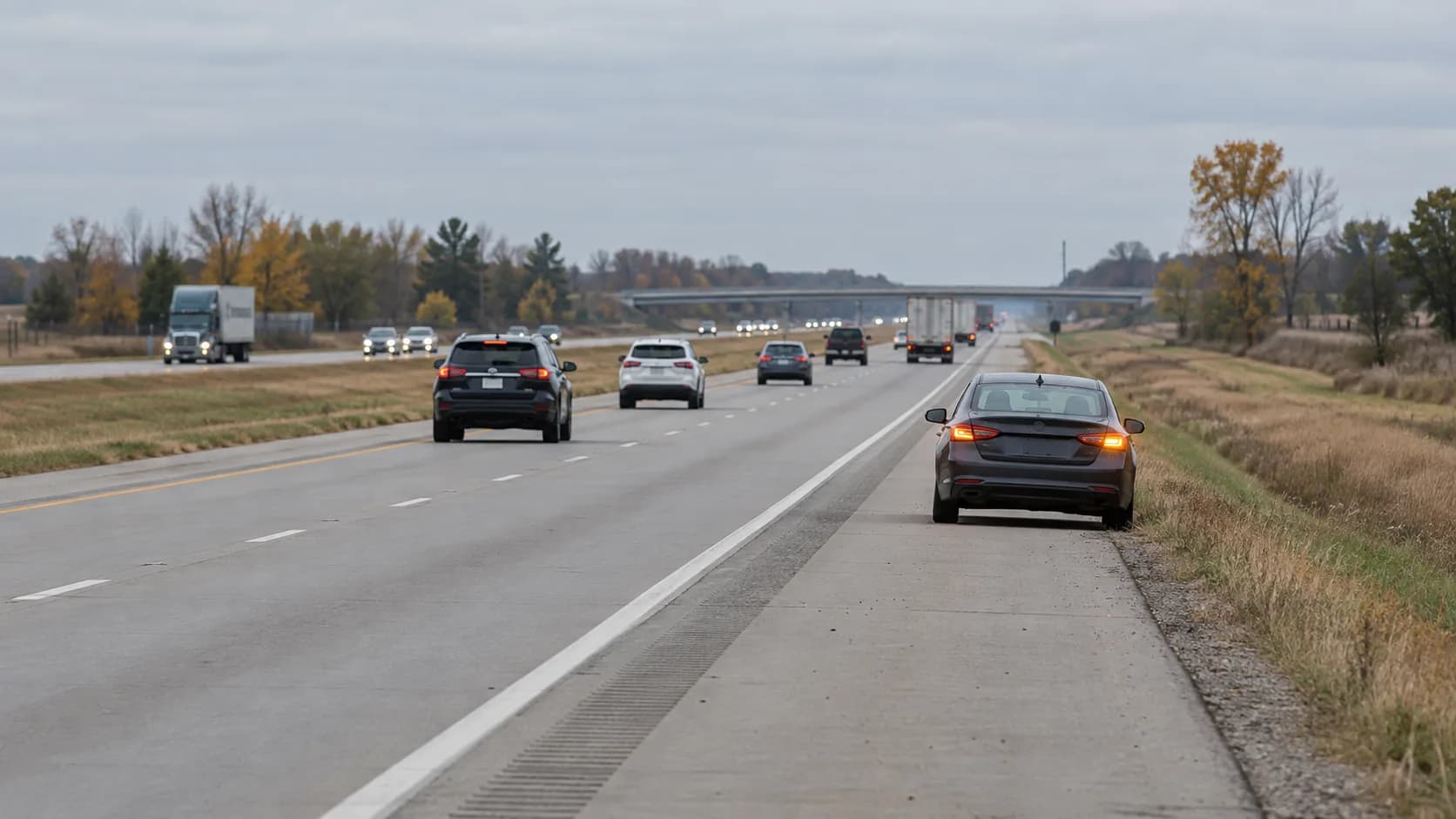
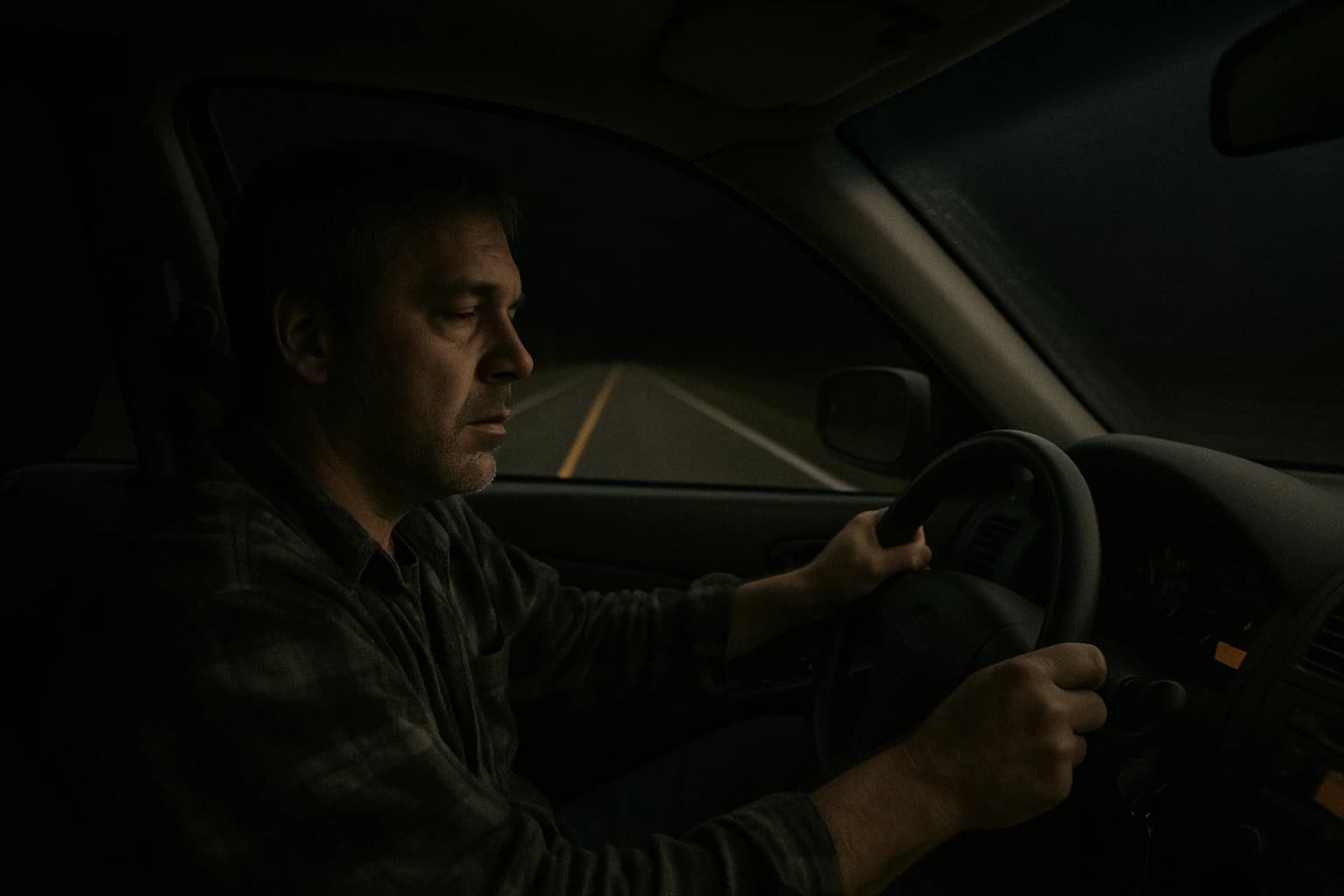
Drowsy driving rarely makes the news the way drunk driving does, but the science says they are close cousins. Eighteen hours awake produces the cognitive impairment of a 0.05 blood alcohol level. Twenty-four hours awake matches 0.10, above Indiana’s legal limit for operating a motor vehicle. This article is about how a drowsy-driving case actually proves up under Indiana law, what compensation is available, and how to spot the signs in your own driving before you become the cause of the next case.
Why Drowsy Driving Kills
Sleep deprivation impairs the same parts of the brain that alcohol does, in roughly the same way. Reaction time slows. Lane-keeping degrades. Judgment about closing speeds gets worse. The driver feels alert because the brain is doing what it can to compensate, but the compensation is partial and unreliable. Worst of all, sleep-deprived drivers experience what sleep researchers call “microsleeps,” brief lapses of consciousness lasting two to thirty seconds during which the driver is, functionally, asleep behind the wheel.
A two-second microsleep at 65 mph carries the vehicle 190 feet. That is enough to drift into oncoming traffic on a two-lane road, run off the shoulder into a tree line, or rear-end a stopped car at a red light. The driver typically does not remember it. Crash reconstructionists know the pattern: no skid marks, no evasive maneuvering, no last-second swerve. Just an impact, full speed, into something that should have been seen.
The highest-risk windows for drowsy driving in Indiana are between midnight and 6 a.m., and during the afternoon “circadian dip” between 1 and 3 p.m. The highest-risk drivers are shift workers leaving night shifts, long-haul truckers near the end of a duty cycle, college students driving home for breaks, and parents of newborns trying to get through a normal day. None of those are unusual people. Any of them could be the driver in the next lane.
The crashes tend to be severe. A drowsy driver does not brake before impact, does not steer to avoid, and does not slow at all. Closing speeds stay at highway speed all the way through. A vehicle that drifts off I-69 at 70 mph hits the tree line with all of its kinetic energy intact. The injuries that come out of those crashes look more like single-vehicle rollover patterns than ordinary rear-end strikes: severe head trauma, multiple fractures, internal injuries, and frequent fatalities. Survivors often face months of inpatient rehab.
The Warning Signs You Are Too Tired to Drive
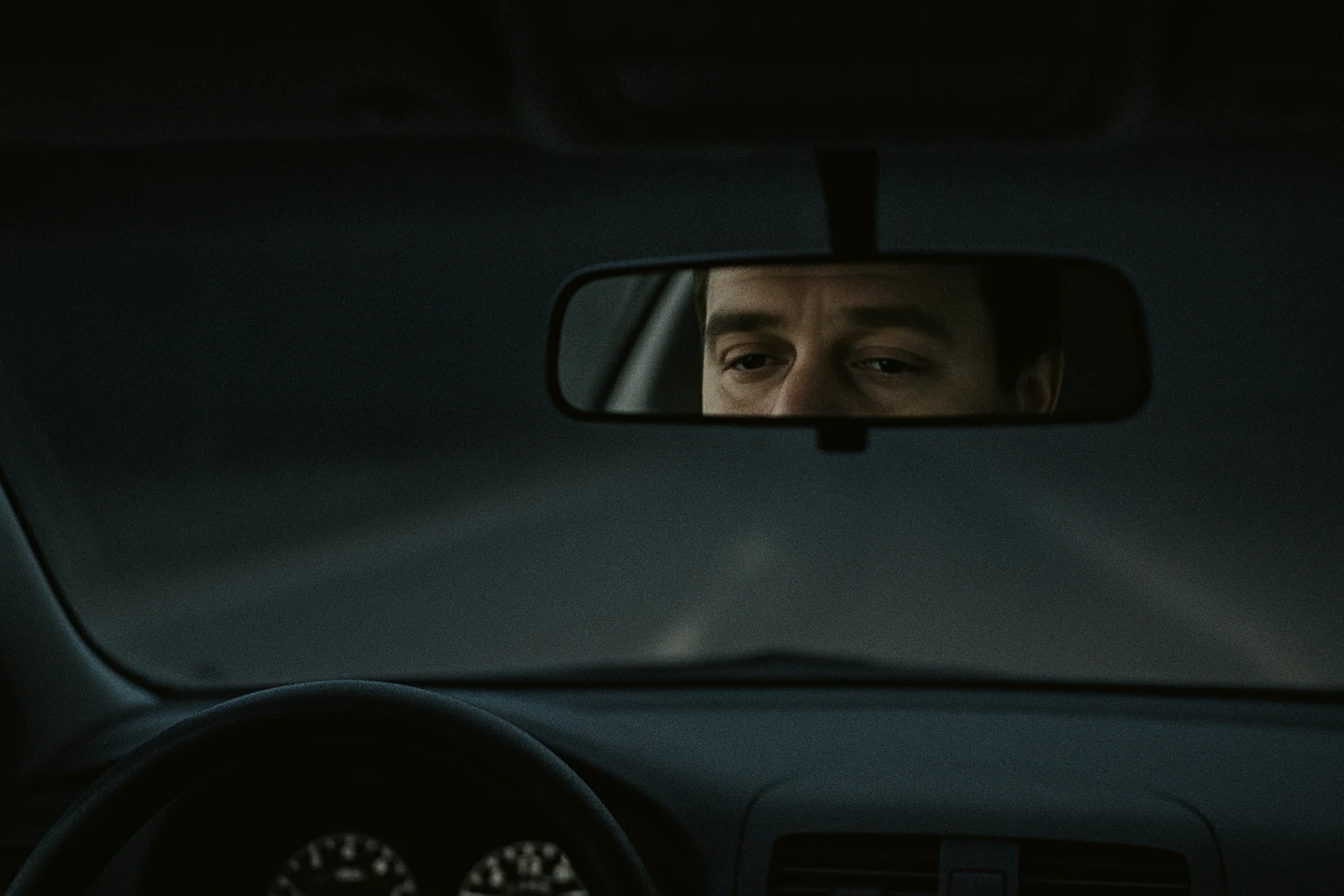
The warning signs come in stages. Most drivers ignore the first two and pay attention to the third, by which point it may be too late.
Stage one:
- Heavy eyelids that want to close at a stoplight
- Frequent yawning, deeper than normal
- Difficulty focusing eyes on road signs
- Mild irritability with passengers or other drivers
Stage two:
- Forgetting the last few miles you drove
- Forgetting which exit you just passed
- Tunnel vision; the periphery feels blurry
- Frequent head bobs that you catch yourself from
Stage three:
- The vehicle drifting across the lane line, with the rumble strip waking you up
- Sudden jerks of attention as you realize you were not focused
- Visual hallucinations: a deer at the side of the road that turns out to be a mailbox
- Microsleeps you are aware of, even briefly
If you hit stage one, plan to stop. If you hit stage two, stop now. If you hit stage three, you are not going to make it; pull off at the next exit, lock the doors, and sleep for twenty minutes in the parking lot of any well-lit business. There is no scenario in which the cost of being twenty minutes later is worse than the cost of the crash.
Tricks That Do Not Work
People do all kinds of things to push through fatigue. Most of them buy a few minutes at most, and they make the eventual crash more likely, not less.
- Caffeine. Useful in moderation, but it does not reverse sleep debt. The crash that comes thirty to ninety minutes later is worse than the original fatigue.
- Cold air. Cracking the window keeps you awake for about ninety seconds. Microsleeps still happen in cold air.
- Loud music. Same as cold air. Briefly stimulating, ineffective for sustained alertness.
- Talking to a passenger. Better than nothing, but if the passenger falls asleep, the safety net collapses fast.
- Energy drinks. A bigger caffeine dose with the same eventual crash. Sugar adds a separate bounce that has its own come-down.
The only thing that actually fixes drowsy driving is sleep. A twenty-minute nap restores attention; a full sleep cycle restores it more. Everything else is a delaying tactic.
The other technique that works is planning. Long drives need to start rested. A 6 a.m. departure for a road trip is fine if you slept eight hours the night before; the same departure after four hours of sleep is not. Trips longer than four hours need built-in break stops, with the understanding that “break” means standing up, walking around, and resting eyes, not just refueling and pushing on. Two drivers swapping at each stop is dramatically safer than one driver pushing through.
Proving a Drowsy Driving Case Under Indiana Law
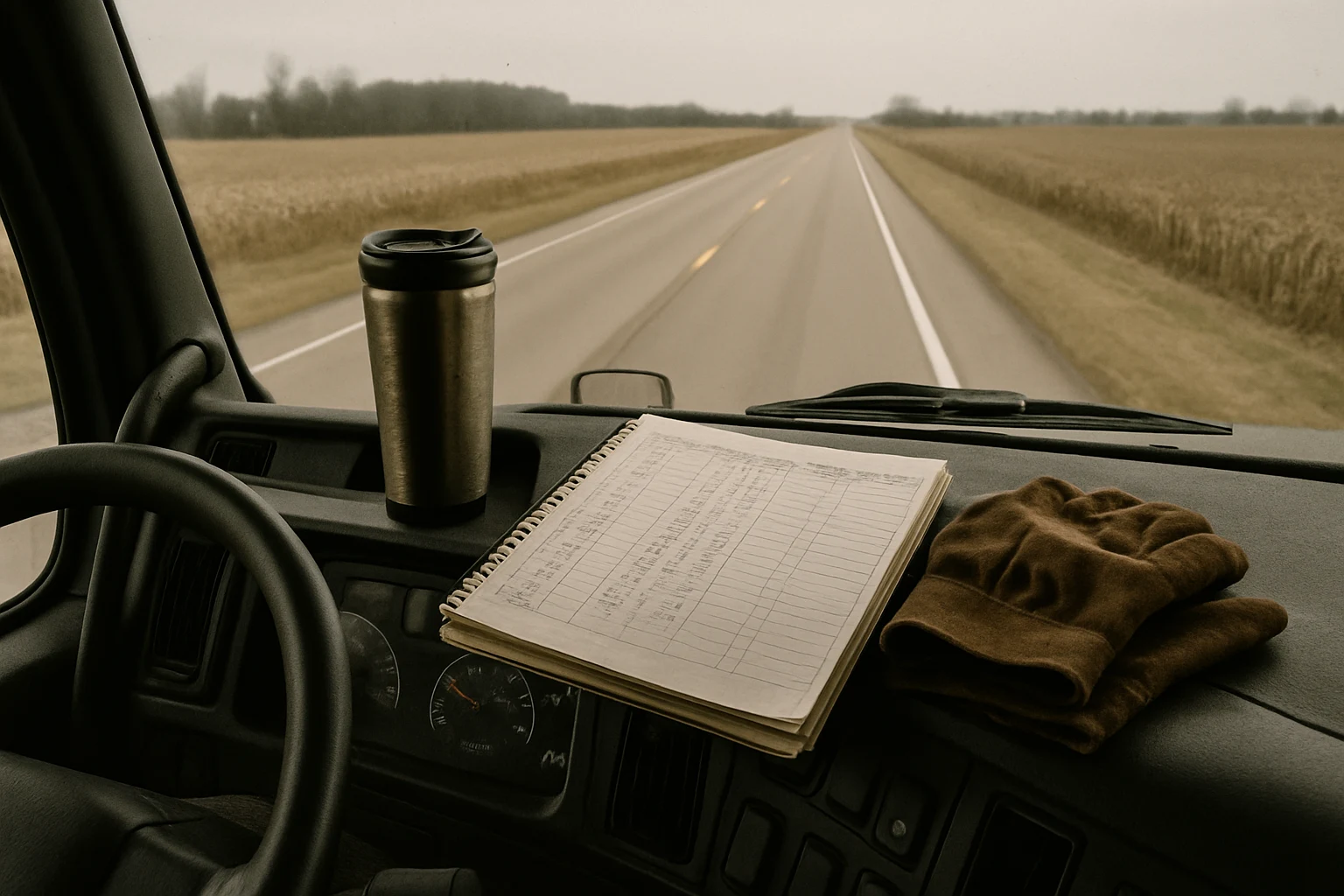
Fatigue does not show up on a breathalyzer. Proving a drowsy-driving case takes circumstantial evidence, layered together. The categories that build the proof:
- The driver’s own admissions. The first words out of a drowsy driver’s mouth at the scene are often “I must have nodded off” or “I’ve been on the road since 4 a.m.” The responding officer puts that in the report.
- Hours-of-service records for commercial drivers. Federal regulations under the FMCSA require commercial drivers to keep electronic logs of driving hours and rest periods. Those records, plus dispatch records from the trucking company, can show the driver was over the legal limit.
- Employer records. A shift worker who clocked out of a manufacturing job at 11 p.m. and crashed at 1 a.m. is a different fact pattern than one who slept normally. Time cards, schedules, and overtime records build that picture.
- Cell phone and app data. Phone records can show what time the driver was active that day. Apps like Apple Health or Fitbit track sleep patterns.
- Crash physics. Reconstructionists look for the absence of evasive action: no brake marks, no steering correction, a straight trajectory off the road or into a stopped vehicle. Drowsy crashes look different from inattentive or impaired crashes.
- Witness testimony. Other drivers on the highway often watched the at-fault vehicle weave for miles before the crash. Those witnesses, if found early, are gold.
If the at-fault driver was working for an employer at the time, the employer may share liability. A trucking company that pressured a driver to skip required rest, or a manufacturer that scheduled excessive overtime, can be on the hook for vicarious liability or negligent supervision.
Damages in a Drowsy Driving Crash
Indiana law allows the full range of personal-injury damages in a drowsy-driving case, the same as any other negligence claim. The categories that matter:
- Past and future medical expenses. ER, hospitalization, surgery, rehab, future procedures, mental-health care.
- Lost income and lost earning capacity. Time off plus long-term reduction in earning potential if the injury limits the kind of work you can do.
- Pain and suffering. Non-economic loss reflecting the medical course and permanent changes.
- Loss of consortium. A spouse’s separate claim for the impact on the marriage.
- Wrongful death damages. If a family member died in the crash, the wrongful-death statute at IC § 34-23-1-1[2] allows recovery for medical and funeral expenses, lost financial support, and loss of love and care.
Punitive damages are available in Indiana under narrow circumstances when the conduct was reckless or willful. A long-haul driver who falsified logbooks to drive over the federal limit and then crashed may qualify. A driver who simply pushed through a long day usually does not.
How Delventhal Law Office Investigates Fatigue Cases
Drowsy-driving cases are won in discovery. The defense will say it was just a momentary lapse, that it could have happened to anyone, that the driver was sober and not on a phone. The plaintiff’s job is to show the pattern: how long the driver had been awake, what the schedule looked like, whether anyone pressured the driver to push through, and whether the physics of the crash match fatigue.
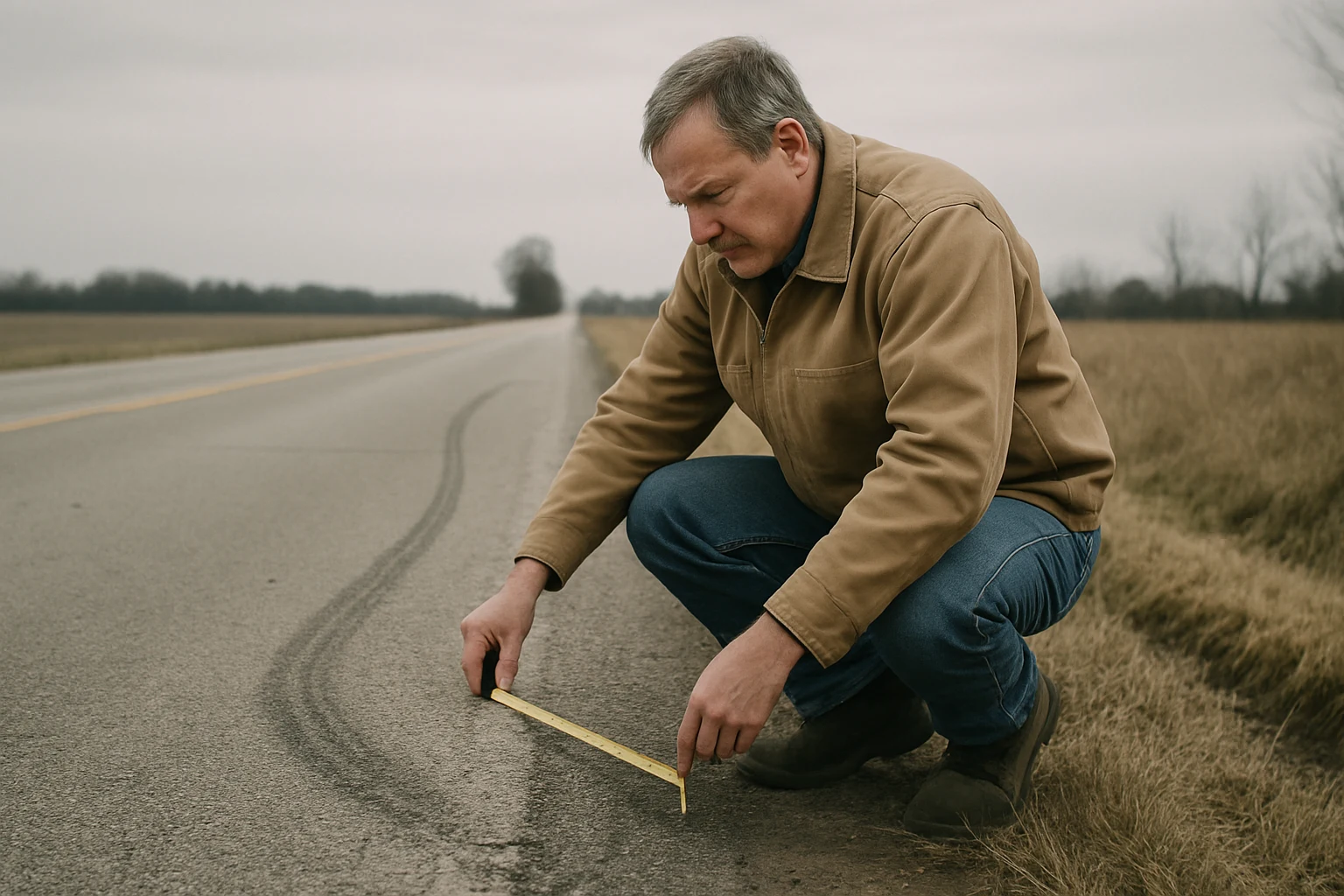
At Delventhal Law Office we move on the evidence side in the first weeks. Preservation letters go out to the at-fault driver and any commercial employer. Dispatch records, electronic driver logs, and cell-phone records are subpoenaed during litigation if voluntary production fails. A crash reconstruction expert documents the physical evidence before the next rain washes it away. Witnesses are interviewed while the memory is still fresh.
If the driver was working for a trucking company at the time, the case becomes a federal-regulation case as much as a state-tort case. Hours-of-service violations, falsified logbooks, dispatch pressure, and inadequate driver screening all become avenues of liability that extend beyond the driver to the company.
Every case is handled by Chad directly. Contingent fee. No recovery, no fee.
Frequently Asked Questions
How can a lawyer prove the other driver was drowsy?
Through a combination of admissions, employer records, electronic logs (for commercial drivers), cell-phone activity, crash physics, and witness statements. A single piece is rarely enough; the pattern across multiple sources is what convinces a jury.
If the driver was on the clock for a trucking company, can the company be sued?
Yes. Indiana recognizes vicarious liability for an employer when an employee causes a crash in the course of employment. A trucking company that ignored federal hours-of-service rules may also face direct claims for negligent supervision or hiring.
What if the drowsy driver who hit me was uninsured?
Your own uninsured-motorist coverage applies. In Indiana, UM coverage is mandatory unless rejected in writing. It is often the first source of recovery in a crash with an underinsured or uninsured at-fault driver.
What is the deadline to file a drowsy-driving case in Indiana?
Two years from the crash for personal injury under IC § 34-11-2-4[1]. Wrongful death is two years under IC § 34-23-1-1[2]. If a government vehicle was involved, the Tort Claims Act notice deadlines are far shorter.
Are punitive damages available?
Sometimes. Indiana allows punitive damages when conduct is willful or reckless. A driver who falsified logbooks or knowingly drove past the legal limit may qualify. An ordinary fatigued driver typically does not.
Hit by a Drowsy Driver? Call a Fort Wayne Car Accident Attorney
If a tired driver crossed the center line, drifted onto the shoulder, or rear-ended your stopped vehicle at a light, the case can be built, but the evidence walks away fast. An experienced Fort Wayne car accident lawyer can act quickly to preserve it. Trucking-company records get cycled. Phone data gets overwritten. Witnesses move. The first week matters more than the next year.
Talk to Delventhal Law Office before the carrier locks in a story. The consultation is free, no obligation, and you are talking to Chad directly. Call (260) 484-6655 or contact us online to schedule a free case evaluation.