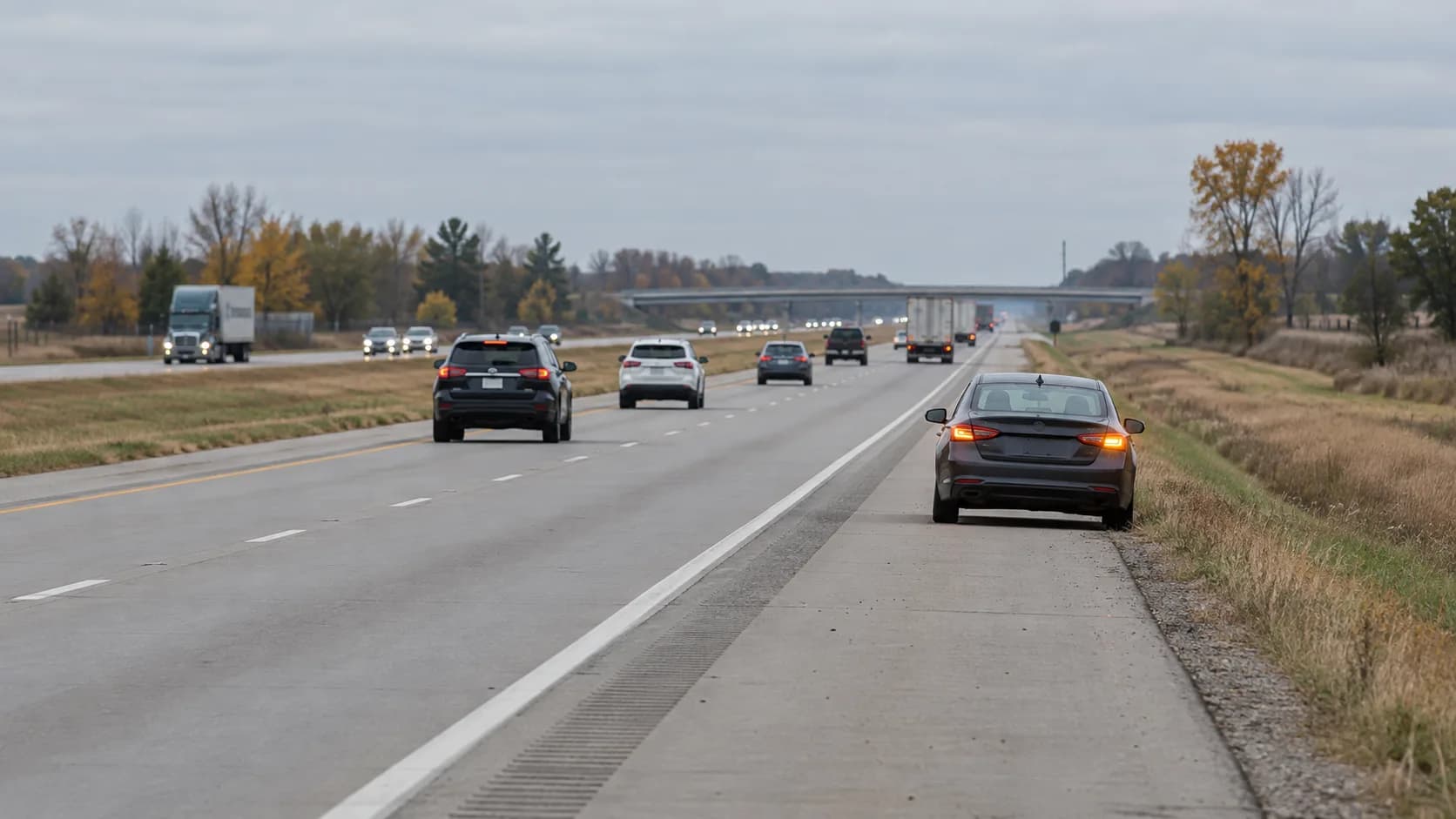
This is the late-appearing injury problem. It happens in roughly a third of serious crashes. The injuries are real, the medicine is well documented, and Indiana law still lets you recover. But the longer the gap between crash and diagnosis, the harder the carrier will fight, and the worse the trap if you signed paperwork before the symptoms arrived.
Why Injuries Don’t Always Show Up at the Scene
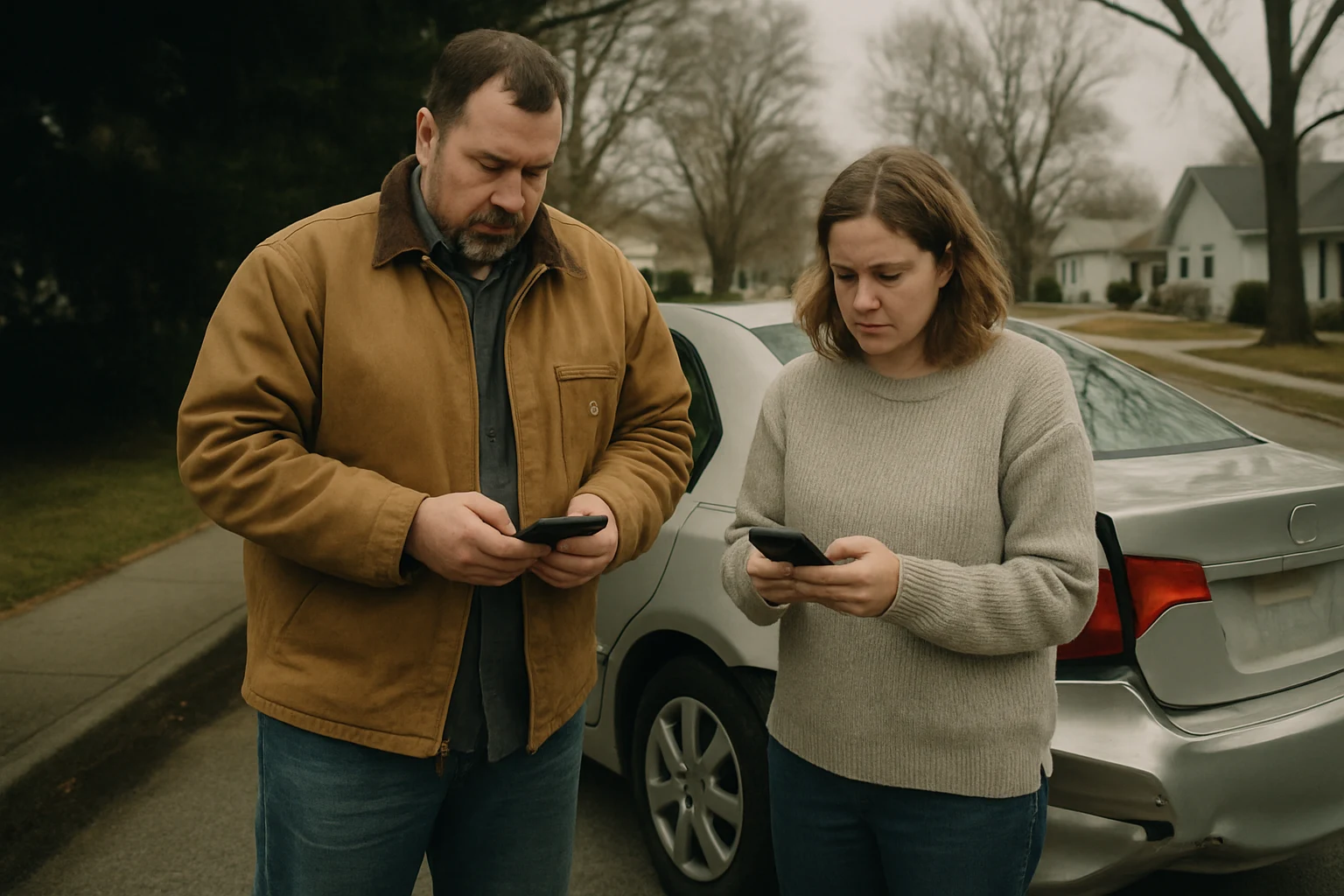
The human body has a built-in painkiller for emergencies. When the impact happens, your adrenal glands flood your bloodstream with adrenaline and cortisol. Your heart rate spikes, your pupils dilate, your pain receptors dial down. The system is designed to let you escape danger first and feel the damage later. In a Fort Wayne fender bender, “later” can mean twelve hours, or it can mean a week.
The second factor is biomechanical. Soft tissue injuries (sprains, strains, disc injuries, rotator cuff tears) produce inflammation that builds over 24 to 72 hours. The crushed shoulder muscle that feels fine at the scene gets worse as fluid accumulates around the tear. The whiplash strain that did not hurt during the police interview is debilitating by Sunday morning.
And some injuries are simply harder to feel. Concussions can mask themselves as “just being shook up.” Internal bleeding may take days to produce symptoms. Disc herniations sometimes start as a vague numbness in two fingers before the radiating pain hits a week in.
The Injuries That Hide Until Later
Some diagnoses are notorious for delayed presentation after a crash. If you know what to watch for, you can get evaluated before the carrier closes the file.
Whiplash and soft tissue strain
The most common late-appearing injury. Neck stiffness, headaches at the base of the skull, dizziness, and reduced range of motion typically peak 48 to 72 hours after the crash. Mild cases resolve in weeks. Severe ones become chronic.
Disc herniation
The shock-absorbing discs in the cervical or lumbar spine can tear under crash forces. Symptoms include radiating pain, numbness, weakness, or tingling running down an arm or leg. These can start days after the wreck and worsen over weeks.
Concussion and mild traumatic brain injury
You do not need to lose consciousness to have a concussion. Headache, fogginess, fatigue, light sensitivity, and trouble concentrating can start hours or days later. Symptoms can persist for weeks (post-concussion syndrome) or months.
Rotator cuff and shoulder injuries
The seatbelt that saves your life can also tear the rotator cuff or labrum. The pain is often masked at the scene by adrenaline. Loss of range of motion shows up as the inflammation grows.
Internal injuries
Bruising of the spleen, liver, kidneys, or bowel can produce delayed bleeding. Symptoms include increasing abdominal pain, lightheadedness, fainting, or dark urine. These are medical emergencies that require an ER visit, not a wait-and-see approach.
PTSD and emotional injury
Sleep disturbance, panic attacks behind the wheel, intrusive memories of the crash, avoidance of driving. These often surface in the weeks after a serious wreck. Indiana law treats psychological injuries from a traumatic event as compensable when properly diagnosed.
The 72-Hour Rule (And Why It Protects You)
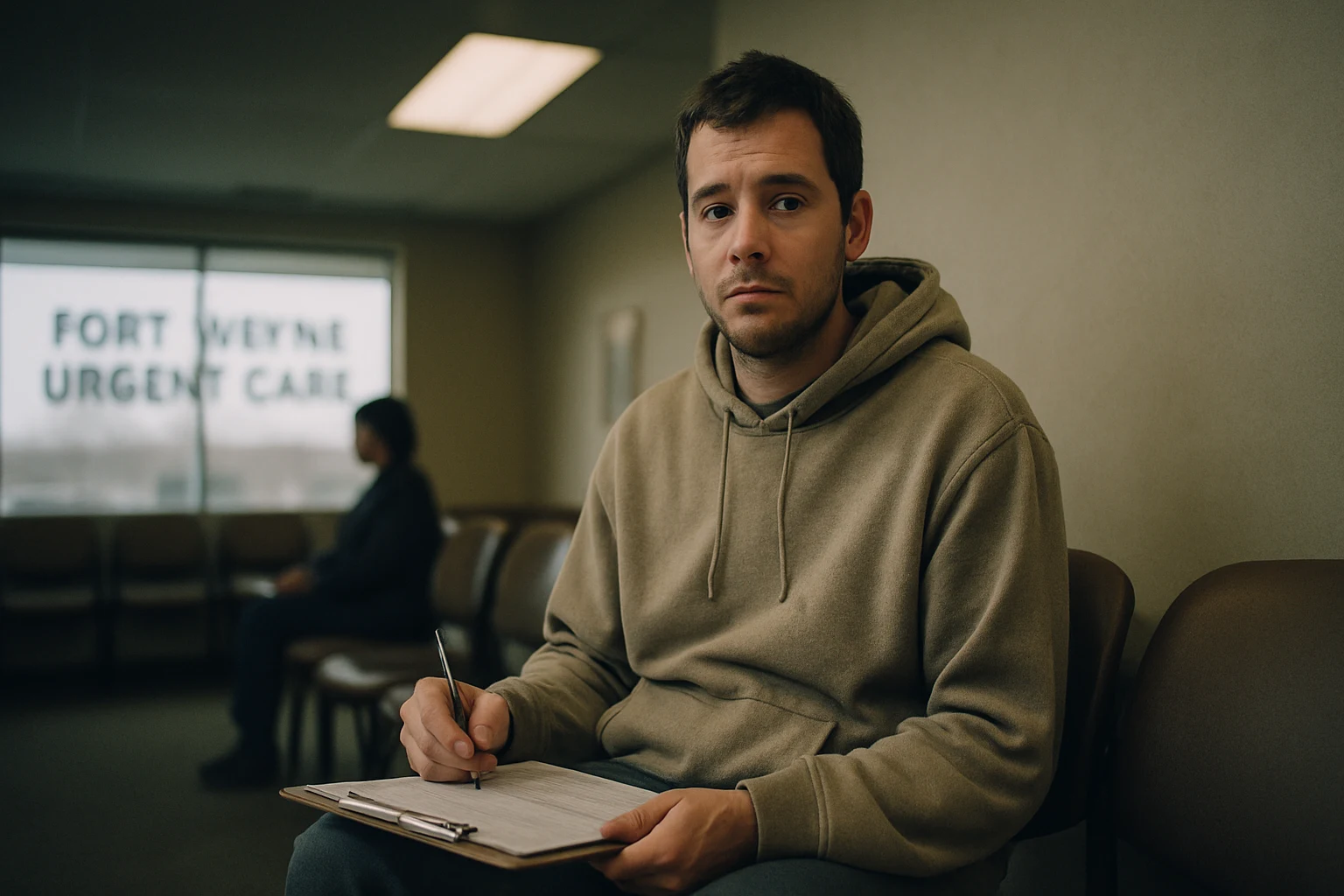
If you take one thing from this article, take this: get medically evaluated within 72 hours of any crash, even a fender bender, even if you feel fine. The visit creates a contemporaneous record that links the crash to whatever surfaces later. Without it, the insurance adjuster argues the injury came from something else: sleeping wrong, lifting groceries, an old gym injury.
The first visit does not have to be at the ER. Urgent care works. Your primary care physician works. What matters is that a clinician documents, in writing, that you were in a crash on a specific date and you are reporting specific symptoms. From there, follow-up care builds the chain.
Treatment gaps are the carrier’s favorite defense on a late-appearing injury claim. If your records show a two-week gap between crash and first visit, expect the defense to argue that gap. If they show a three-month gap between two PT appointments, expect the same. Consistency in care is consistency in evidence.
The Release of Liability Trap
Within days of a crash, the at-fault driver’s insurer will reach out. The call will sound friendly. They will explain that they want to “get this resolved quickly.” They will offer a settlement, usually small, sometimes startlingly small, and ask you to sign a release of liability in exchange.
That release is a contract. Signing it ends your right to seek any further compensation from that driver or their insurer, for that crash, forever. Even if a torn rotator cuff is diagnosed three weeks later. Even if a herniated disc requires surgery in month six. Even if you develop chronic post-concussive syndrome two years out.
This is the single most expensive mistake unrepresented crash victims make. The carrier knows that injuries surface late. They know the math is in their favor when claimants sign early. Their entire incentive on a fresh claim is to close it before the symptoms get expensive.
The rule: do not sign anything until a doctor has cleared you and you have reached maximum medical improvement, the point at which the treating physician says, in writing, that you are as recovered as you are going to get. For minor sprains that may be six weeks. For surgical cases that may be a year or more. There is no rush; the two-year statute under IC § 34-11-2-4[1] gives you breathing room. Use it.
How Indiana Law Treats Late-Appearing Injuries

Indiana courts have long recognized that not every injury is apparent at the scene of an accident. The legal question is not when the symptoms appeared, but whether the crash caused them. Proof rests on three pillars:
- Mechanism of injury: the crash dynamics (rear-end at speed, T-bone, rollover) must be consistent with the diagnosis.
- Temporal proximity: the symptoms appeared in a medically plausible window after the crash (hours, days, or sometimes a few weeks for slowly inflaming injuries).
- Medical causation: the treating physician documents, in writing, that the diagnosis was caused by or aggravated by the accident.
The eggshell-plaintiff rule helps. A defendant takes the victim as found. Pre-existing degenerative disc disease, an old shoulder problem, a prior concussion, none of these bar recovery if the crash aggravated or activated the condition. The treating doctor’s language is what makes or breaks the claim.
The narrow discovery rule may also extend the statute of limitations in unusual cases, when an injury could not reasonably have been discovered within the two-year window. In auto crashes that exception almost never applies, because the injury and cause are almost always discoverable within two years. The safe assumption is that the clock started on the date of the crash.
What to Do Right Now if Symptoms Are Surfacing

If you are reading this because something started hurting days or weeks after a Fort Wayne crash, here is the order of operations.
- See a doctor today, not tomorrow. Urgent care, your primary, or the ER if symptoms are serious. Describe the crash, the date, and every symptom, even the ones that seem minor.
- Request imaging if appropriate. An MRI or CT is the only way to confirm soft-tissue, disc, or brain injuries. X-rays miss most of these.
- Start a symptom journal. Date, pain level (1 to 10), what you cannot do, what made it worse. Two minutes a day. It becomes evidence later.
- Do not give a recorded statement. The at-fault driver’s insurer will ask. You are not required. Politely decline until you have counsel.
- Do not sign a release. Not for $500. Not for $5,000. Not until a doctor has cleared you.
- Save the police report. Request the Fort Wayne Police Department crash report through crashdocs.org[2] if you do not already have it.
- Talk to a Fort Wayne car accident attorney. A free twenty-minute consultation will tell you whether the case is still viable and what to do next.
How Delventhal Law Office Handles Delayed-Injury Cases
Late-appearing injury cases live and die on causation. The carrier will argue the injury came from somewhere else. The job of the plaintiff’s attorney is to build a record that closes off that argument before it gets traction.
That means pulling every medical record before the crash to establish a baseline. It means working with treating physicians to get clean, written causation opinions. It means documenting the mechanism of the crash in detail (impact angle, speed, vehicle damage, seatbelt position) so a defense biomechanics expert cannot recast the wreck as too minor to injure.
We also move fast on evidence preservation. Wrecked vehicles get held until photos and inspection are complete. Witness statements get taken while memories are fresh. Surveillance video from nearby businesses (gas stations, restaurants, parking lots along the route) gets pulled before it is overwritten on the 30-day cycle.

Every case at Delventhal Law Office is handled by Chad directly. Indiana State Bar, admitted 2008. One direct line to your attorney, day or night.

FAQs About Late-Appearing Car Accident Injuries
How long after a crash can symptoms appear?
Soft-tissue injuries usually peak in 24 to 72 hours. Disc herniations may take days to weeks. Concussions can manifest within hours but linger for months. Internal injuries can appear within 24 to 48 hours and need immediate ER evaluation if abdominal pain or fainting develops.
Can I still file a claim if I didn’t see a doctor right away?
Yes, but expect the carrier to push back hard on causation. The longer the gap between crash and first visit, the more ammunition the defense has. Go as soon as symptoms appear, and have the doctor document the crash as the suspected mechanism.
What if I already signed a release of liability?
Releases are generally enforceable. There are narrow exceptions for fraud, duress, or mutual mistake, but they are hard to prove. If you signed quickly and have since been diagnosed with a serious injury, talk to a lawyer before assuming the case is closed. The analysis is fact-specific.
Does the statute of limitations change for late-appearing injuries?
Almost never. Under IC § 34-11-2-4[1], you have two years from the date of the crash. The discovery rule rarely applies to auto accidents because the cause is obvious. Assume the clock started on the day of the wreck and act accordingly.
Should I accept the insurer’s early offer?
Not before maximum medical improvement. An early offer is almost always less than the case is worth, and accepting it usually requires signing a release that ends all future claims. Wait until your doctor confirms you are as recovered as you will get.
Talk to a Fort Wayne Car Accident Attorney Before You Sign
Late-appearing injury cases are the carrier’s favorite kind of claim to close fast. Their math works when the claimant signs before the medicine catches up. The fix is simple: see a doctor, document everything, and do not sign anything until you have talked to a lawyer.
If you were hurt in a crash in Allen County, DeKalb County, Whitley County, or anywhere in Indiana, and symptoms surfaced days or weeks later, call Delventhal Law Office before the carrier closes the file. The consultation is free and you will be talking to Chad directly. Call (260) 484-6655 or contact us online to schedule a free case evaluation.
Talk to a Fort Wayne car accident attorney. Hurt in a Fort Wayne car accident? Our Fort Wayne car accident attorneys handle Allen County crash claims from rear-end fender benders to fatal rollovers.