
DELVENTHAL LAW
BEEN INJURED IN A T-BONE COLLISION?
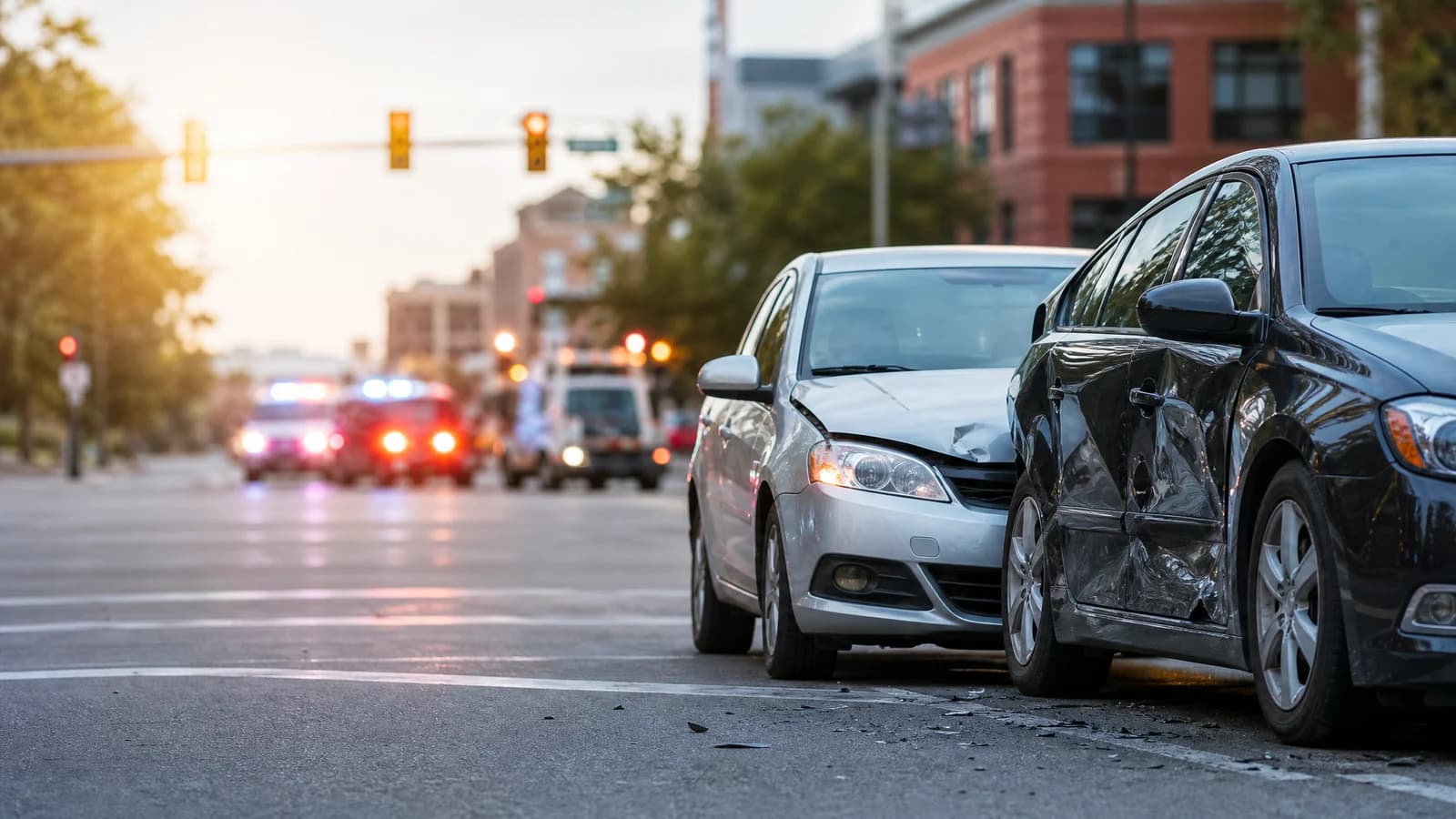
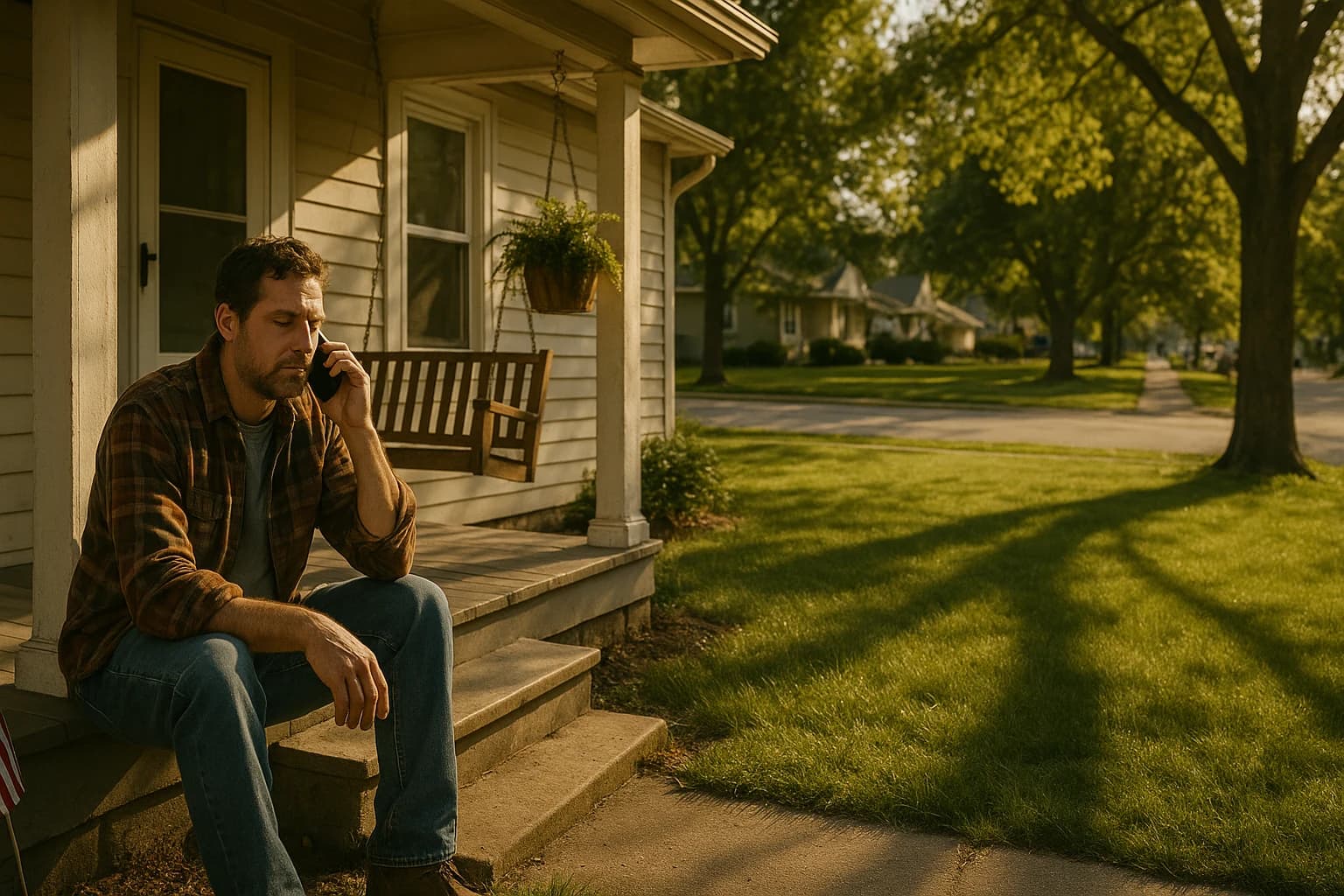
What’s more, these crashes can leave those within the involved vehicles severely harmed, and unsure of what steps to take next.
At the Delventhal Law Office, our Fort Wayne T-bone accident lawyers are available to review the details of your case for free today, and provide you with sound legal advice you need. We have been representing T-bone accident victims in Fort Wayne and surrounding areas for years and have the experience your case deserves.
TOP CAUSES OF T-BONE ACCIDENTS
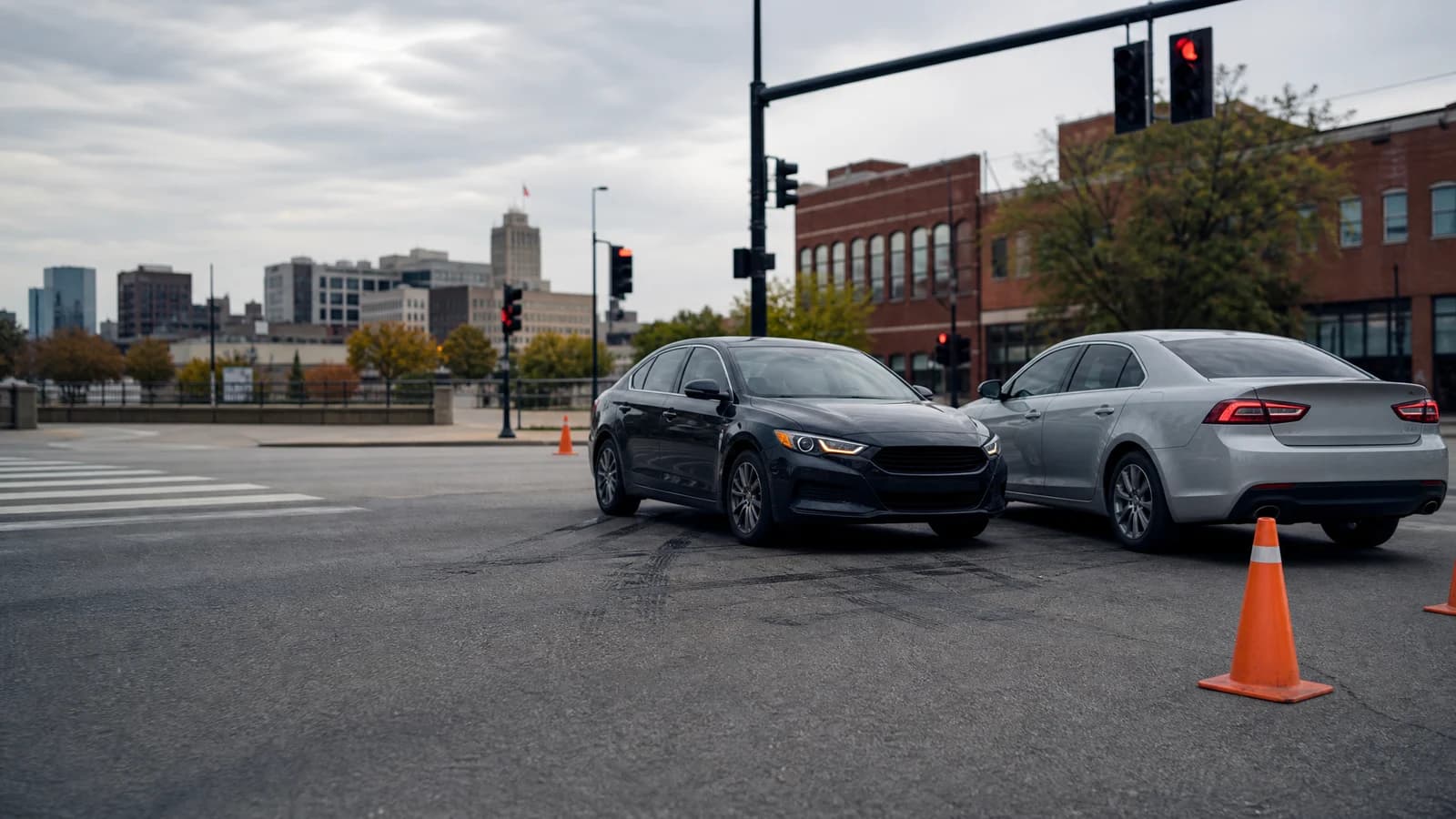
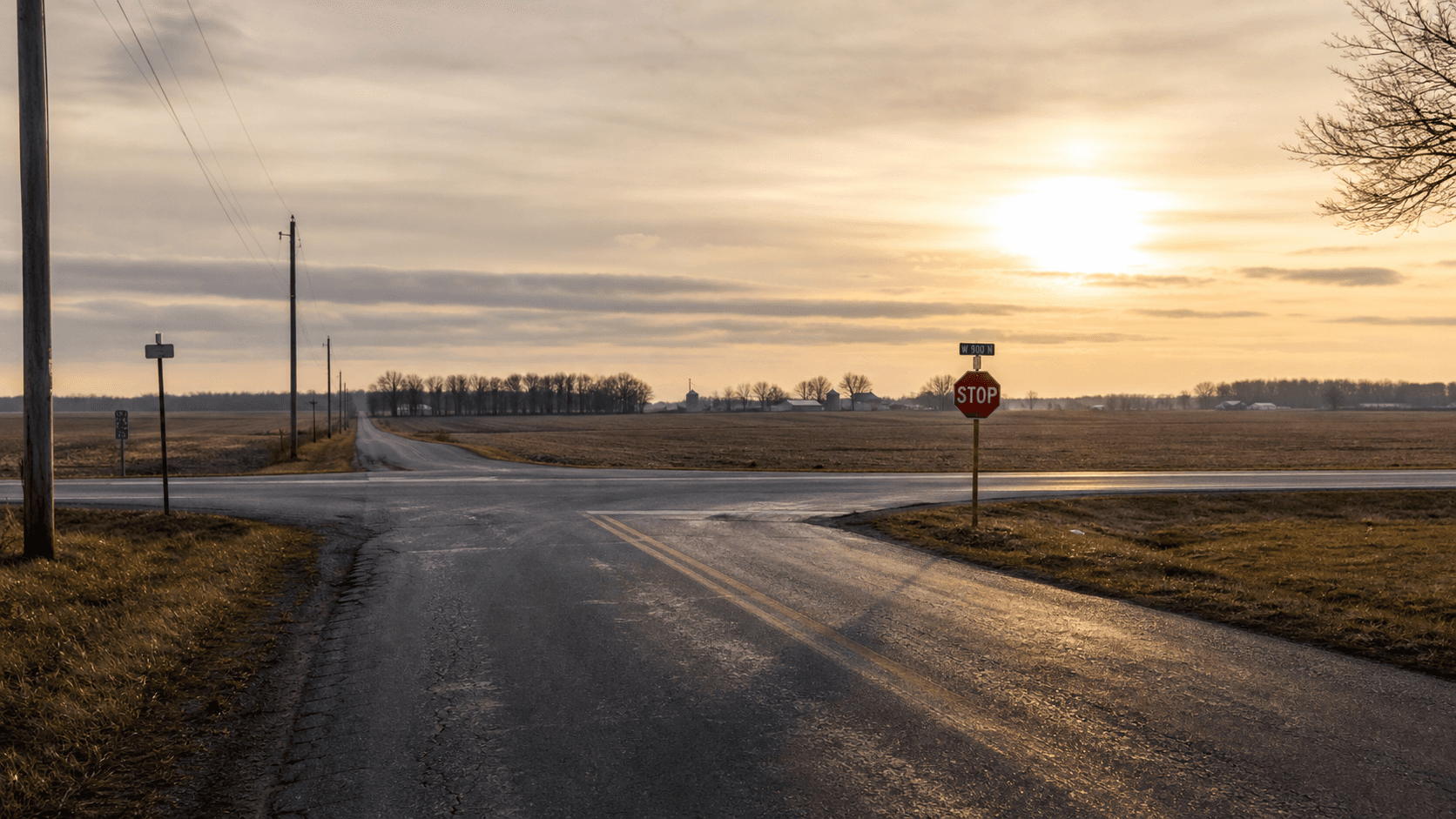
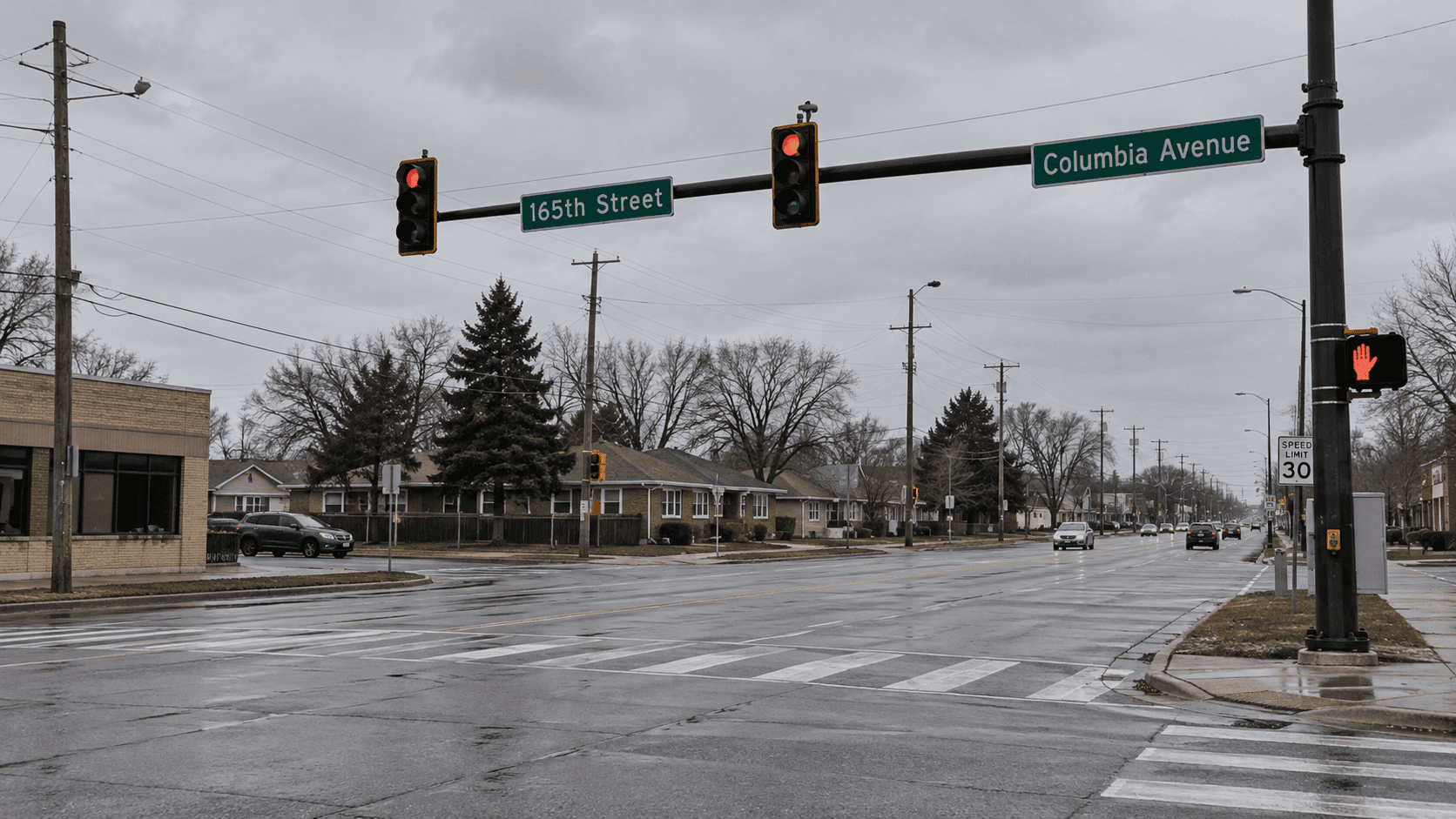
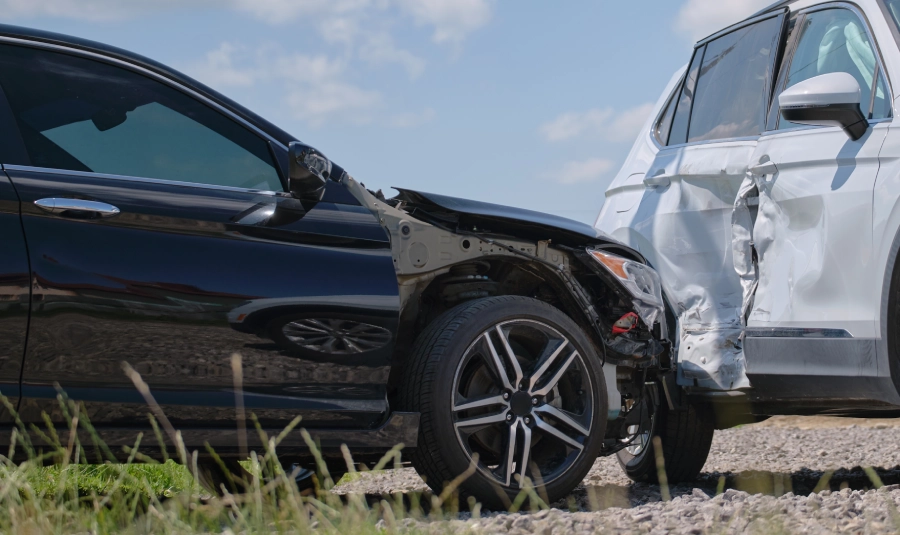
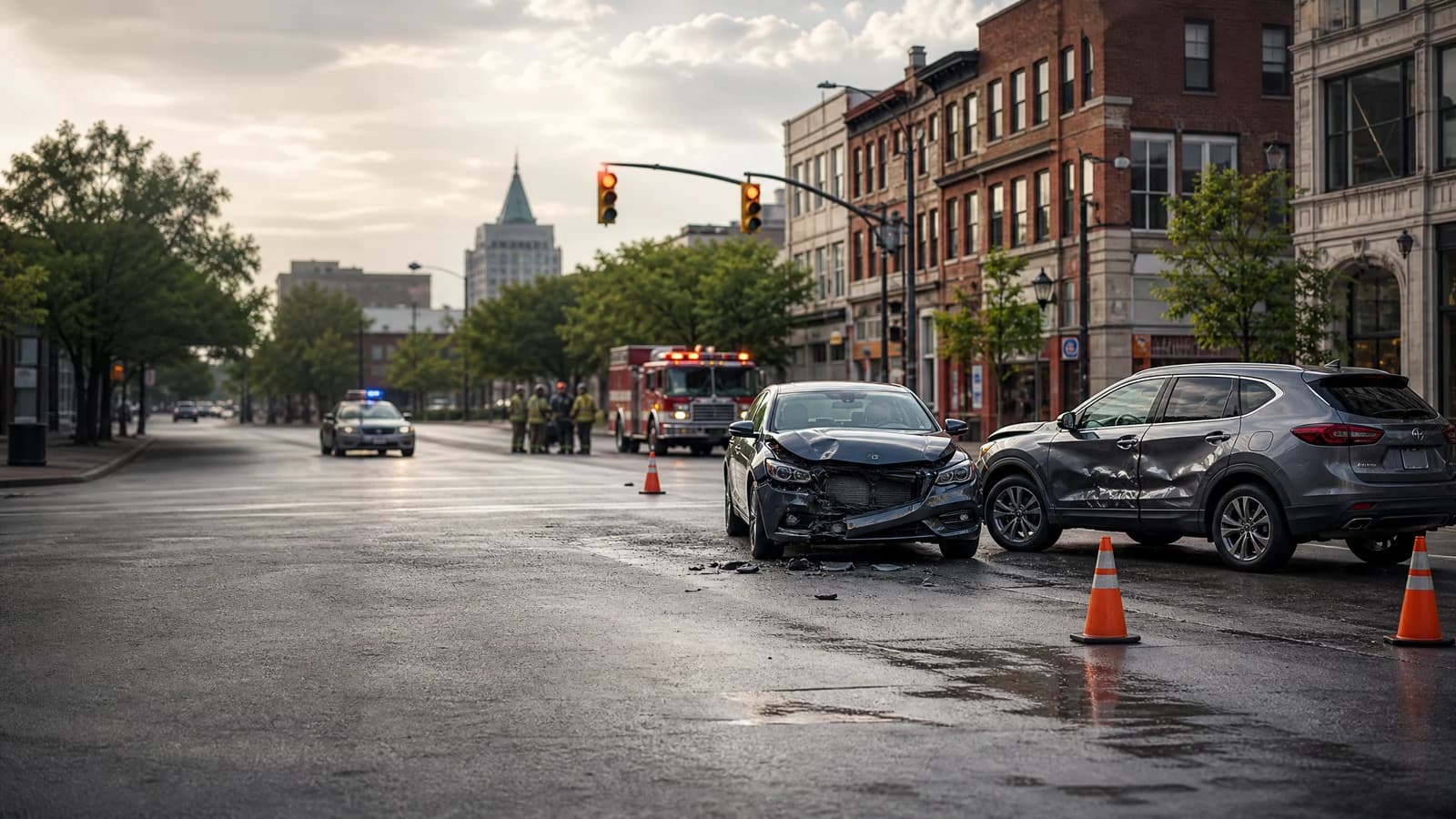
Most T-bone accidents occur at intersections, and are the result of one vehicle proceeding through an intersection when they do not have the right of way. This can result in the vehicles colliding in a ‘T’-like formation, where the front end of one vehicle crashes directly into the side of another. In addition to pure failure to yield, T-bone accidents are often the result of:
- Failure to stop;
- Speeding;
- Distracted driving;
- Intoxicated or impaired driving;
- Fatigued driving; and
- Aggressive driving.
In some cases, outside factors–such as poor weather and low visibility[1] or improperly working traffic devices–are the primary cause of T-bone accidents. It can be difficult at time to understand who was at fault and that is why you need to contact a T-bone accident attorney in Fort Wayne. Our expertise is something you can trust to get the compensation you deserve.
PROVING FAULT AFTER A T-BONE ACCIDENT
Because Indiana is an at-fault car insurance state, a party who is involved in a car accident much prove the fault of the other driver in order to recover compensation. This can be the most difficult part of the claims process, especially as an insurance adjuster is usually not quick to accept policyholder blame and pay a fair settlement as such. In order to prove fault, our Fort Wayne T-bone accident lawyers investigate every element of your accident, gathering essential evidence such as:
- Vehicle control module data;
- Eyewitness statements;
- Police reports;
- Traffic cam data;
- Cell phone logs (which may be critical in proving that the other driver was on their phone at the time of crash);
- Physical damage;
- Photos of damage and site conditions, such as skid marks;
- Opinions of accident reconstruction experts; and
- More.
Our lawyers work hard on your case so that you don’t have to. We want you to focus on your recovery while we investigate and build your car accident claim.
T-BONE ACCIDENTS ARE SERIOUS – YOU DESERVE TO BE COMPENSATED
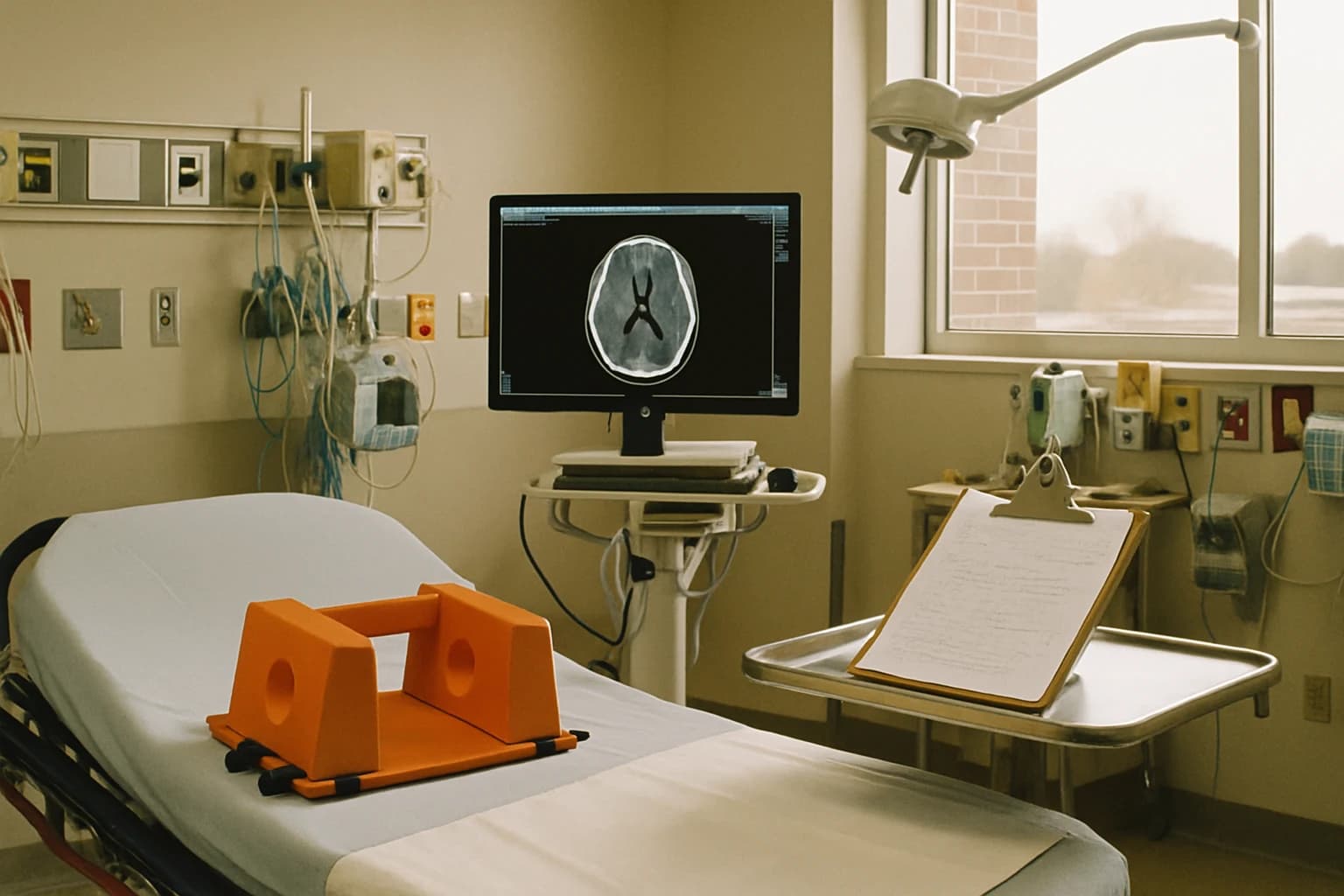
A T-bone accident can change your life. Whether you are the driver who strikes another vehicle head on, or are the driver or passenger in a vehicle that is struck, injuries and losses can be serious. Depending upon the speed at which vehicles are traveling at the time of crash, injuries could be permanently disabling, or even fatal. Some of the most common injuries that can have long-term consequences include traumatic brain injuries, internal injuries, spinal cord injuries, and loss of limb injuries.
Of course, it is not just the injuries themselves that a T-bone accident victim must live with, but the ramifications of these injuries, too. A loss of the ability to work or do once-loved activities, to maintain romantic relationships, or even to care for oneself may all be a reality. This is on top of economic loss, pain, and suffering.
When you have been injured by the actions of a negligent driver, you deserve to be compensated for your harm. Our lawyers will fight for your right to recover the full value of compensation for your:
- Medical expenses;
- Lost wages;
- Pain and suffering;
- Future economic costs;
- Disability and disfigurement; and
- Emotional anguish.
CHOOSE OUR T-BONE ACCIDENT LAWYERS IN FORT WAYNE
A car accident that happens in the blink of an eye can forever change the course of your life. While we know that nothing can truly repair the harm that has been done, we believe that filing a legal claim is the first step in improving your future – a car accident claim can provide you with the financial compensation you need and a sense of closure, while also holding an irresponsible person liable for damages.
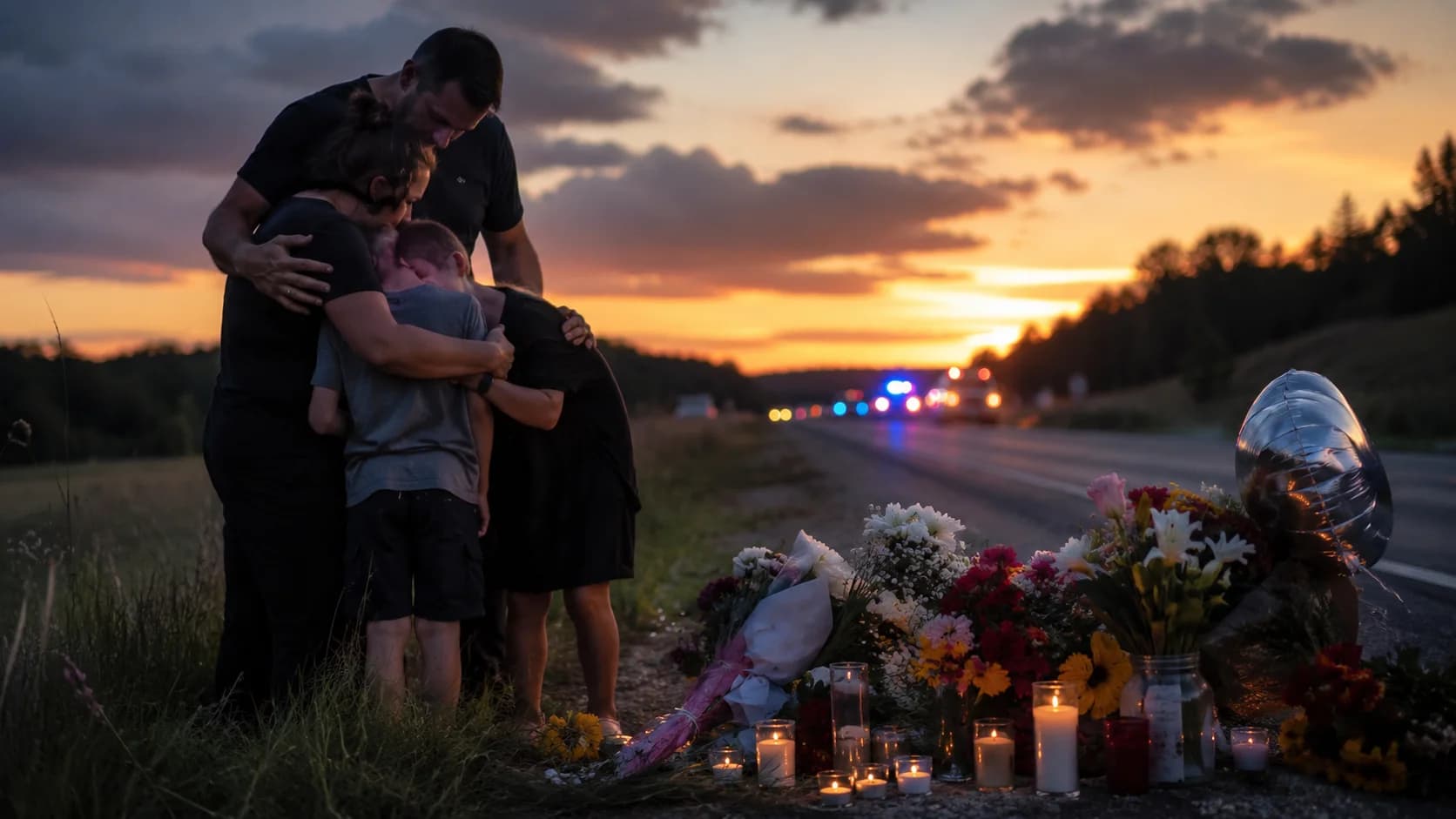
Our team is ready to start investigating and building your case today. If you have been harmed, or if you have lost a loved one in a Fort Wayne T-bone accident, please call our lawyers today for your free consultation. We always put our clients first, and understand the sensitive nature of your case. Reach out to us today online or by phone.
The Indiana law that applies to your T-bone crash case
Indiana's two-year personal-injury statute at IC 34-11-2-4[2] controls Fort Wayne T-bone crash claims, and the 51% modified comparative-fault rule at IC 34-51-2-6[3] governs allocation. Liability turns on right-of-way analysis under Title 9 of the Indiana Code, traffic-signal timing, and stop-sign or yield-sign duties. T-bone configurations produce some of the most severe occupant injuries in motor-vehicle litigation because the impacted vehicle has only the door, B-pillar, and side curtain to absorb energy directed at the cabin.

How insurance carriers fight Fort Wayne T-bone crash claims
T-bone carriers in Allen, DeKalb, and Whitley County run a coordinated right-of-way attack across four primary arguments. First is the signal-phase argument — the at-fault driver claims the light was green or yellow rather than red, attempting to shift the right-of-way framework in their favor at the moment of impact. Second is the inattention argument, blaming the favored driver for failing to scan the intersection despite having the clear right-of-way under Indiana law. Third is the side-impact crashworthiness argument, attempting to pull the manufacturer into the liability allocation and dilute the at-fault driver's share. Fourth is the medical-causation argument focused on side-impact head, chest, and pelvic injury patterns. We counter with signal-timing records, traffic-camera footage, EDR data, IIHS side-impact ratings from the Insurance Institute for Highway Safety crash testing[4] resource, and reconstruction.
Evidence we preserve in the first 48 hours
T-bone cases turn on right-of-way proof, signal-timing data, and side-impact crashworthiness records preserved within seventy-two hours. From day one we lock down:
- City of Fort Wayne or INDOT traffic-signal phase-and-timing records for the specific intersection at the time of the crash, requested before the rolling overwrite cycle.
- Traffic-camera, red-light-camera, business-surveillance, and ring-camera footage covering the intersection from every angle within the seventy-two-hour evidence window.
- Event Data Recorder downloads from both vehicles capturing pre-impact speed, throttle position, braking applications, and steering inputs through the intersection approach.
- Witness statements and scene diagrams taken within days, plus any 911-call audio that captures contemporaneous descriptions of the signal phase.
- Side-impact vehicle inspection — door beam intrusion, B-pillar deformation, side-curtain airbag deployment, and seat-belt webbing-load evidence.

Damages categories in an Indiana T-bone crash case
T-bone damages are typically severe and divide into economic and non-economic categories. Economic damages cover trauma surgery, orthopedic reconstruction of pelvic and femur fractures, traumatic brain injury rehabilitation, extended ICU stays, lost wages, and future earning-capacity loss for impaired survivors with permanent impairment. Future-care damages frequently align with the side-impact injury patterns documented in the Insurance Institute for Highway Safety crash testing[4] database. Non-economic damages cover pain, disfigurement, and loss of enjoyment, and wrongful-death recovery under IC 34-23-1[5] applies in every fatal T-bone collision.

What our T-bone crash clients ask most
How much is a Fort Wayne T-bone crash case worth?
T-bone configurations produce serious-injury rates well above rear-end and side-swipe crashes because of limited side-impact crashworthiness. A documented serious-injury T-bone with clear right-of-way liability, EDR-confirmed speed, and full coverage layers regularly supports a high six- to seven-figure recovery once the trauma surgery, orthopedic, and rehabilitation costs are documented and a life-care plan is built.
What if both drivers say they had the green light?
Signal-timing records from the city traffic-control center, traffic-camera footage, witness statements, and the physical evidence of impact angle and intersection rest position resolve the dispute. Indiana law allows reconstruction testimony to establish phase. A well-built case removes the ambiguity within ninety days of the crash, before memories fade and footage is overwritten.
Should I sue the vehicle manufacturer for poor side-impact protection?
Side-impact crashworthiness claims exist when door-beam, B-pillar, or side-curtain airbag design or performance fell below available reasonable alternative designs. IIHS side-impact testing data frames the analysis. Product-liability claims under IC 34-20[6] run in parallel to the driver-negligence case, and the ten-year statute of repose at IC 34-20-3-1[7] sets the outer boundary.
How long do I have to file a T-bone crash lawsuit?
Indiana's general two-year personal-injury statute at IC 34-11-2-4[2] runs from the crash date. If a government entity owned the at-fault vehicle, Indiana Tort Claims Act notice as short as 180 days under IC 34-13-3-8[8] applies. Wrongful-death claims under IC 34-23-1[5] carry their own two-year clock from the date of death. Early investigation matters.
What if I do not remember anything about the crash?
Memory loss after a T-bone crash is common and often signals concussion or traumatic brain injury. The case does not depend on the injured driver's recollection — signal-timing data, traffic-camera footage, witness statements, EDR downloads, and reconstruction reports build the liability case independently. Memory loss is itself evidence of the severity of the impact.

What happens after you hire us
From the day we open the T-bone file we subpoena city signal-timing records, secure intersection traffic-camera and business-surveillance footage, and dispatch a reconstructionist to both vehicles. We retain a side-impact crashworthiness expert when door-beam or curtain-airbag failure is in play, coordinate trauma and rehabilitation care, and build a life-care plan. A demand goes out at maximum medical improvement. If carriers fall short, suit is filed in Allen Superior Court. Contingency-fee — no fee unless we recover.