

DELVENTHAL LAW
INJURED FROM AN INTERSECTION CAR ACCIDENT?
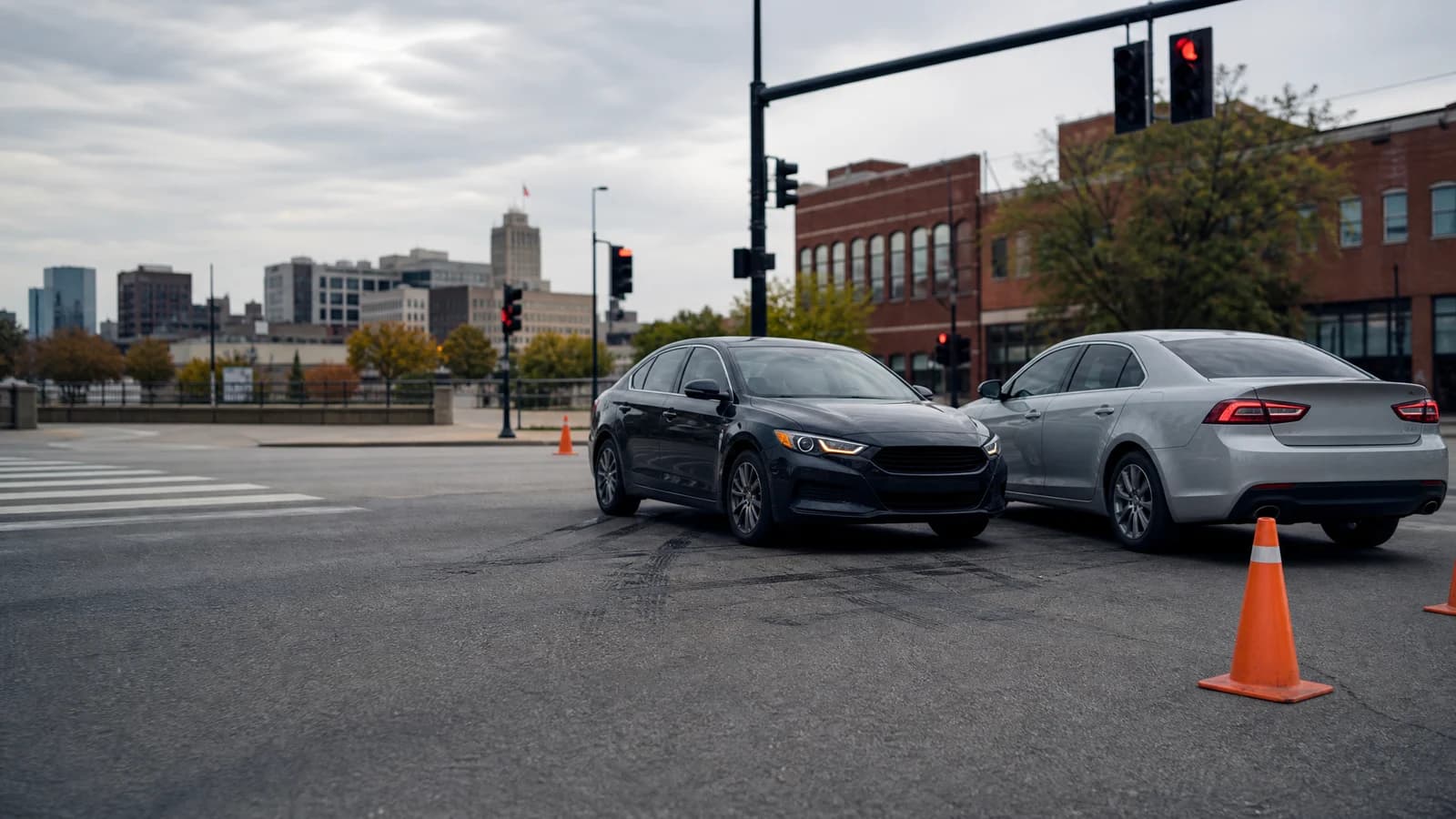
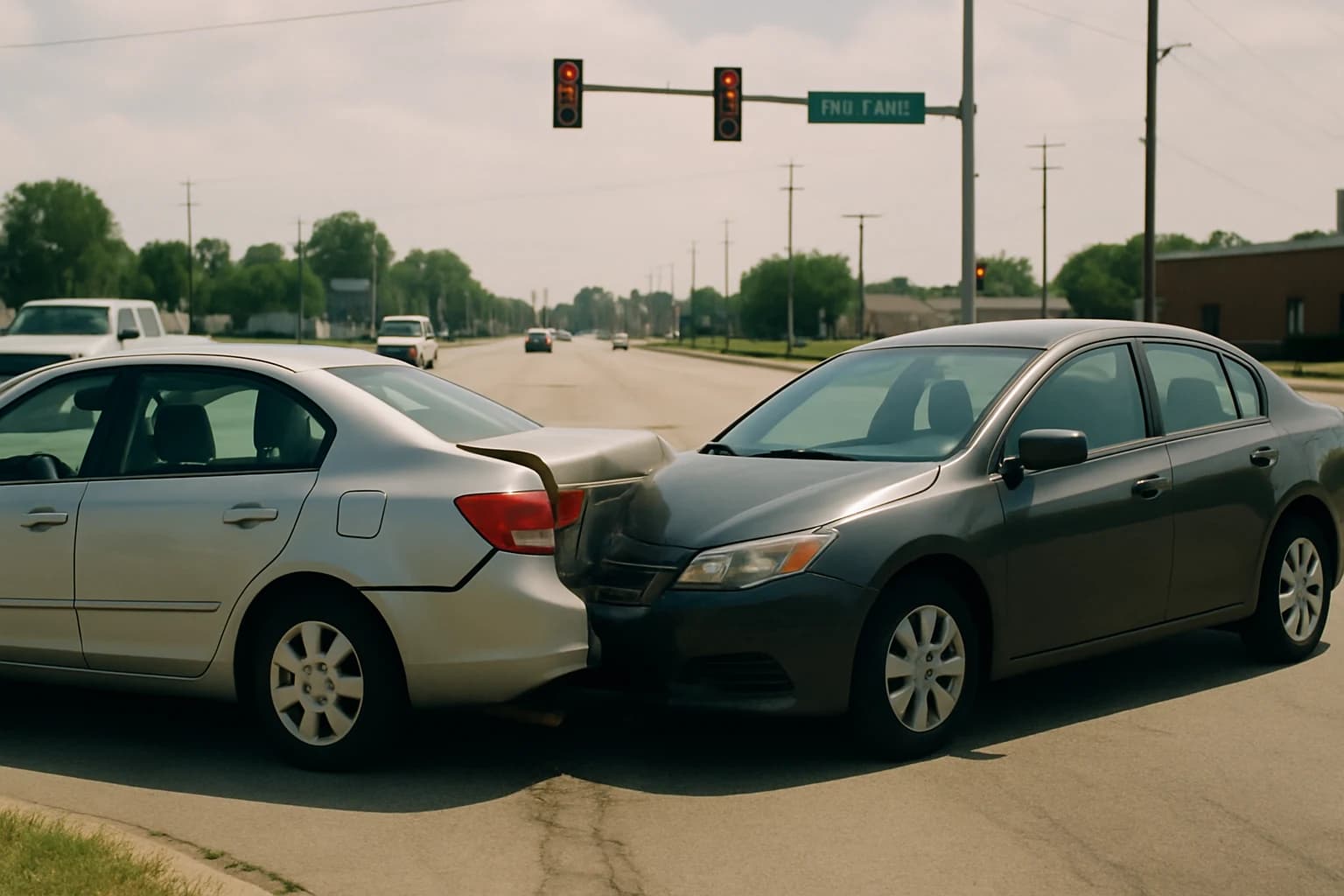
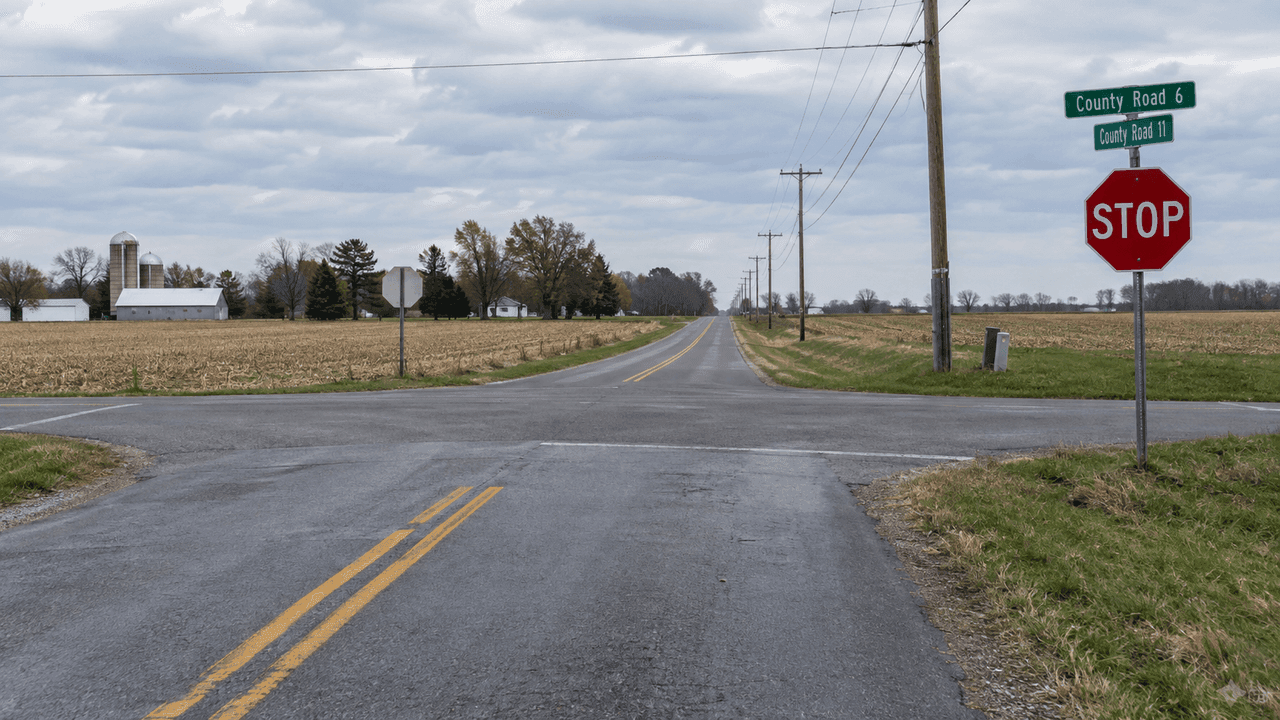
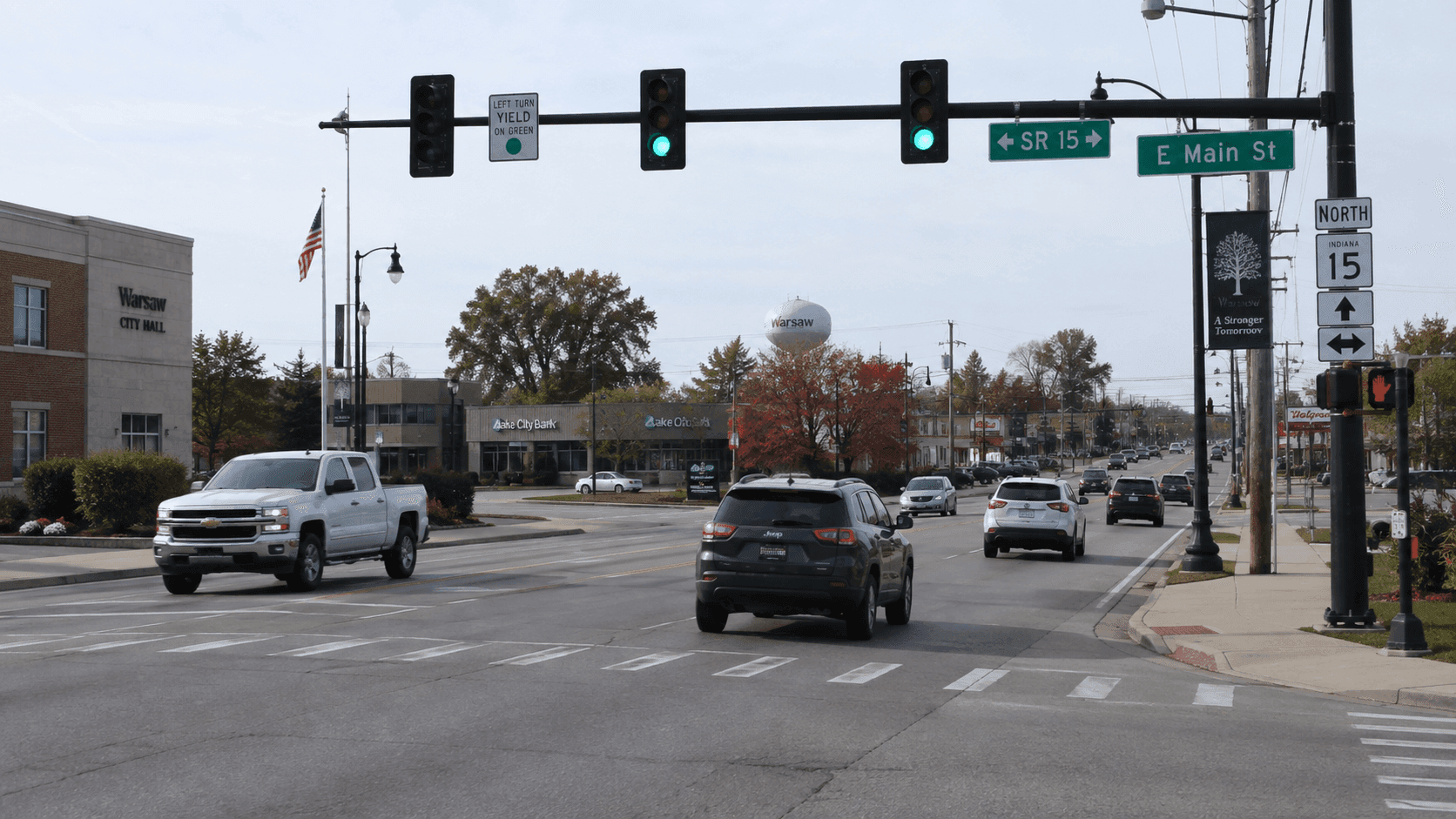
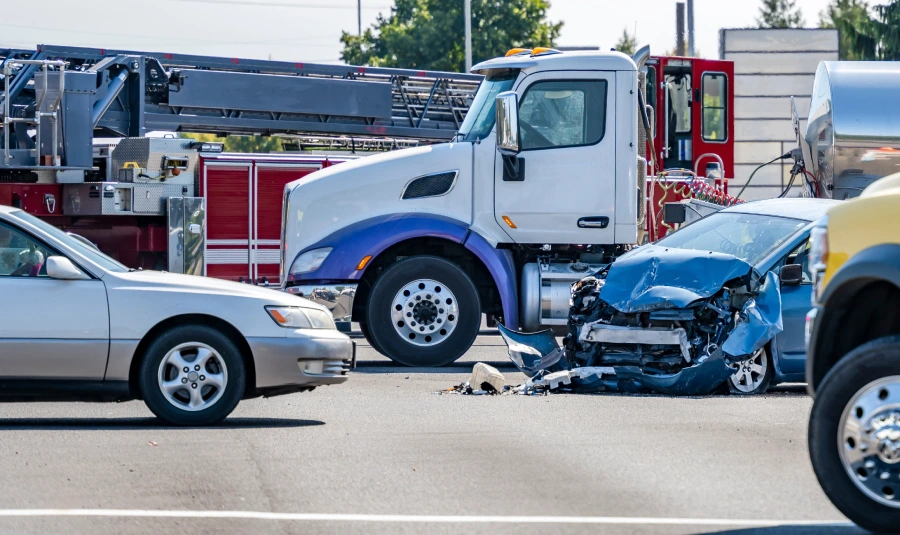
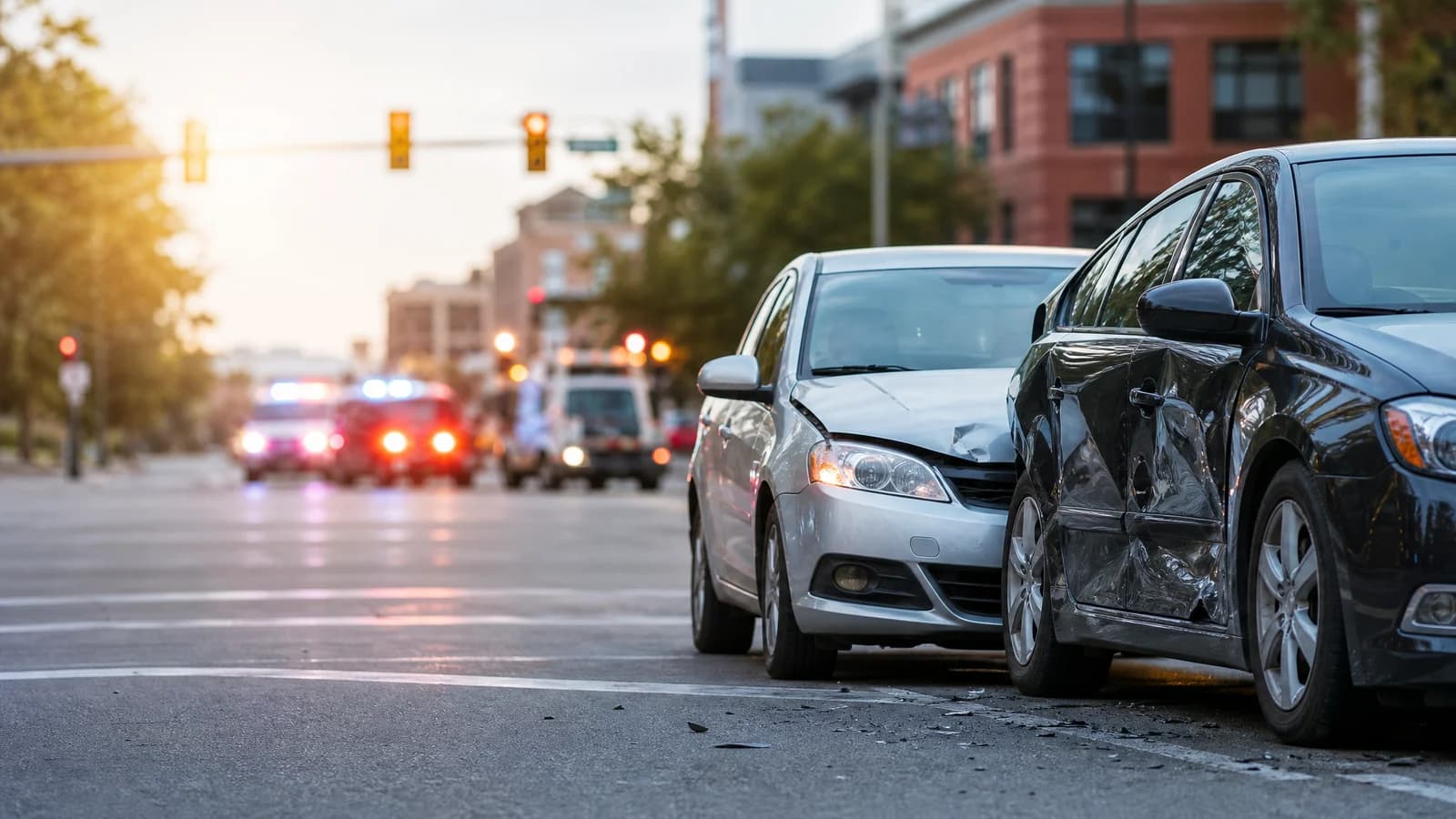
Intersections are dangerous. Many motorists don’t understand the rules of the road, so they fail to yield when they are supposed to. Other drivers are simply reckless, deciding to run a red light or make an illegal turn, and they end up crashing into other vehicles as well as pedestrians.
If you have been injured in an intersection driving accident, you need a car accident attorney in Indiana who is looking out for your interests. Contact Delventhal Law Office today.
PRIME CAUSES OF INTERSECTION DRIVING ACCIDENTS
We have met with many motorists injured in intersection accidents, and we have come to expect the following causes:
- Illegal maneuver. A driver tries to make a U-turn, fails to yield, runs a red light, etc.
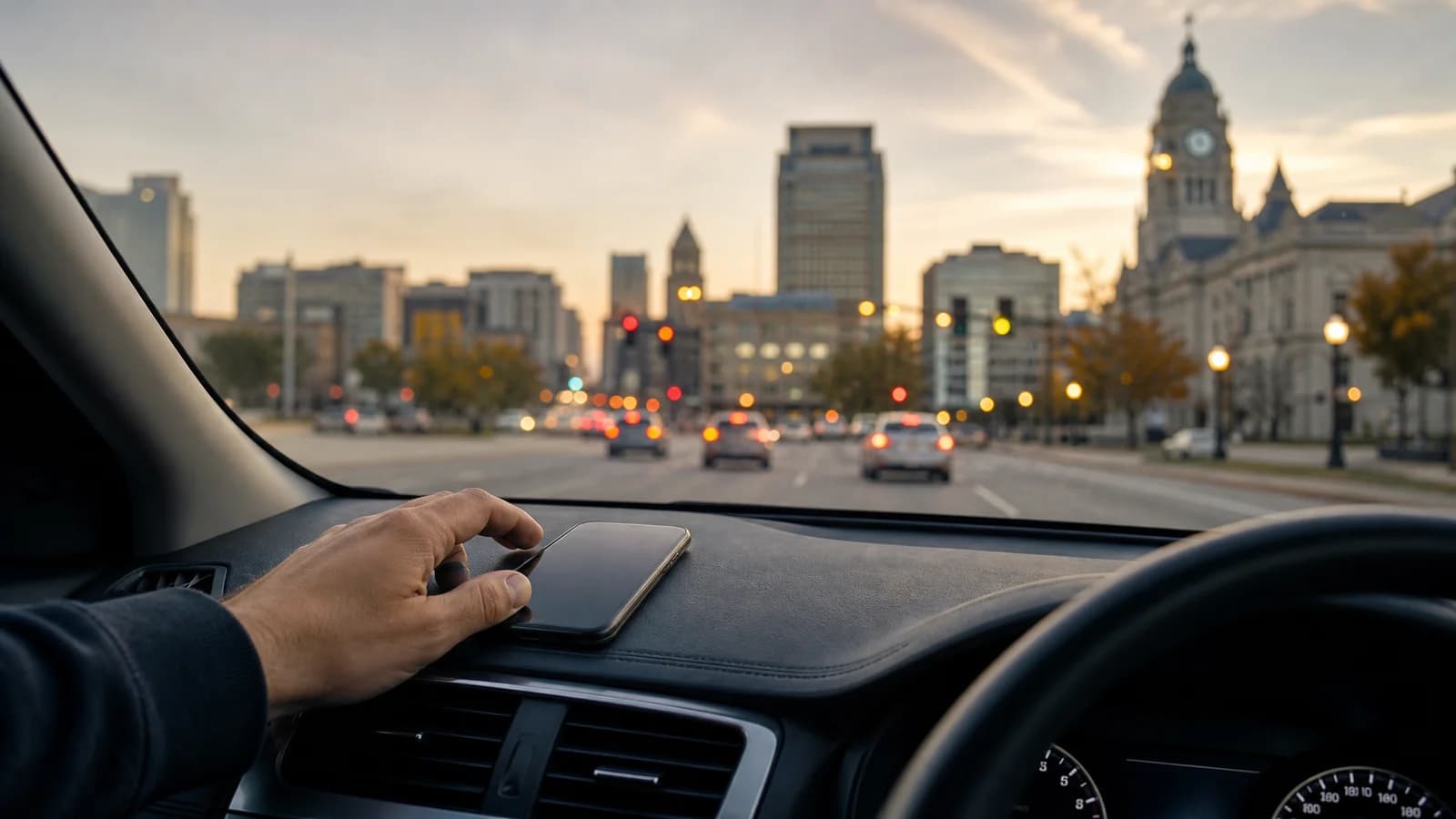
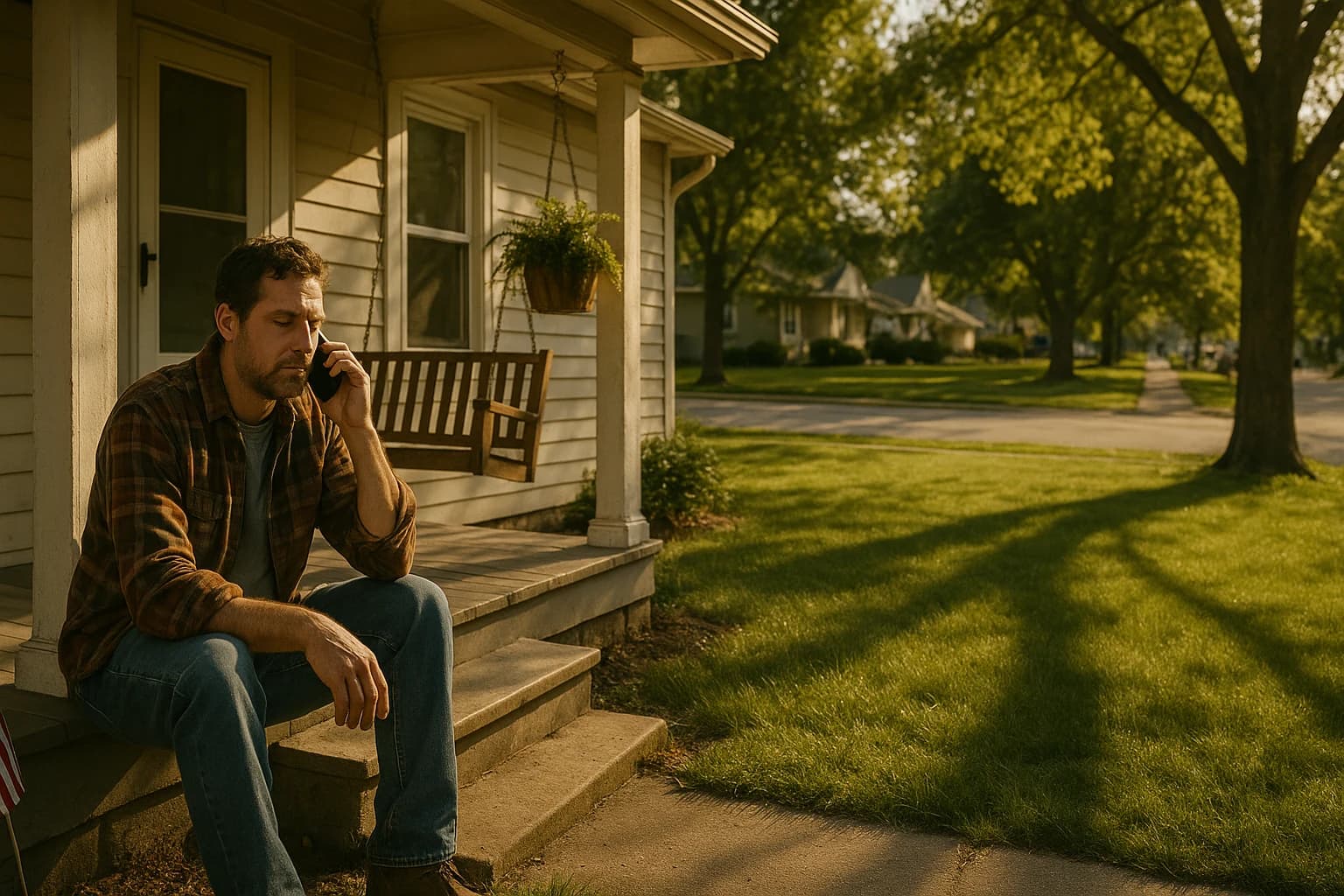
- Driver inattention. A motorist might be reading a text message or having a conversation on their cell phone, causing them not to see others in the intersection.
- Misjudging speed. A driver making a turn might think approaching traffic is going slower than it really is. As a result, they pull directly in front of oncoming traffic or slam into it.
- Driving too fast for conditions. A driver who is going to fast can run into other vehicles trying to turn.
- Obstructed view when turning. This is particularly true when making a left-hand turn when you have a vehicle directly in front of you in your lane. You cannot see approaching traffic until it is too late.
Whatever the reason for the crash, an intersection accident can leave victims with serious injuries and high medical bills. Reach out to an experienced attorney to determine whether you have a legal claim for compensation.
INTERSECTION ACCIDENT STATISTICS
According to the National Highway Traffic Safety Administration[1] (NHTSA), Indiana saw 261 fatalities that took place at or near an intersection. This number was substantially higher than in previous years. For example, in 2014, the number was only 189.
Another NHTSA study noted that 36% of all crashes in the U.S. in 2008 were intersection-related. In almost all intersection accidents, the critical events that led to the crash were related to the driver instead of to the road or the vehicle. In other words, drivers are overwhelmingly to blame for intersection accidents. This means that we can improve intersection safety by driving more carefully.
WHAT TO DO AFTER AN INTERSECTION CRASH
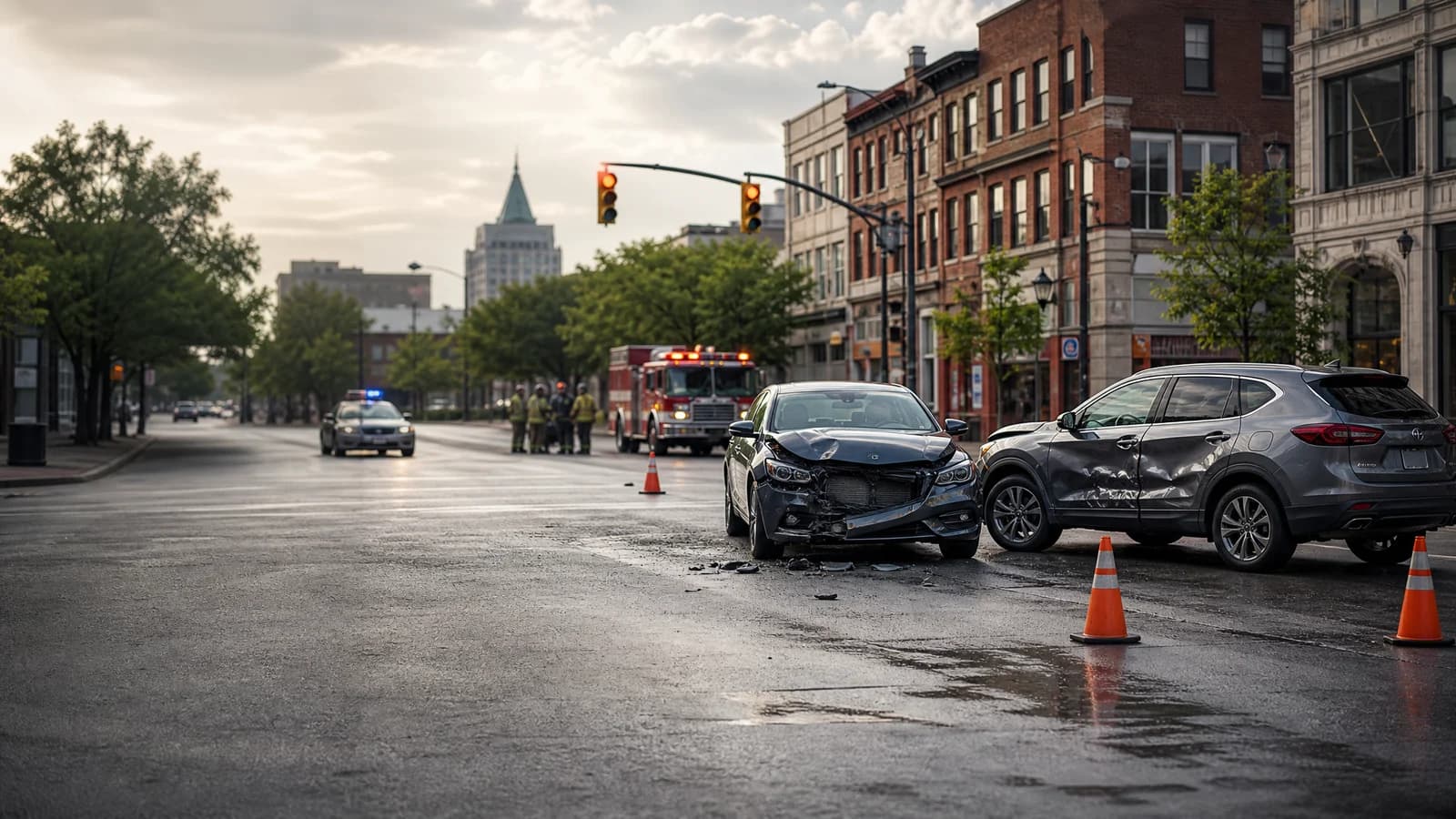
After the crash, you might feel pressure to immediately get your vehicle off to the side of the road so that you don’t block traffic. However, you also need to take care of yourself and the health of anyone else involved in the crash. If necessary, call an ambulance to come pick up anyone who is badly hurt so that they can get to the hospital.
You should also try to get a picture of the vehicles before they are moved. This can show your attorney how they ended up immediately after the crash and is an important clue when trying to assign fault. Also get pictures of any debris that is left scattered in the road.
WHY YOU NEED AN ATTORNEY FOR YOUR CASE
Obtaining compensation for an intersection accident turns on establishing who is at fault for the accident. You should forget rules like, “the vehicle that hits another vehicle is always at fault.” That simply isn’t always the case.
Instead, the law looks at whether any driver failed to operate his motor vehicle with sufficient care, and whether this lack of care caused the accident. For example, a driver who makes an illegal maneuver is clearly not being careful. If this maneuver led to the crash, then you have a valid claim for compensation. The same is true of someone who runs a red light.
Some cases are not so clear cut, however. For example, you might claim that a motorist was speeding but the motorist denies it. Determining fault is trickier in these cases and will depend on the quality evidence that you have.
You also need an advocate who can stand up to the insurance companies and convincingly argue that you were not at fault. This will help increase the amount of compensation you can receive.
CONTACT OUR INTERSECTION DRIVING ACCIDENT ATTORNEYS IN FORT WAYNE
Intersection accidents are scary events. Many of our clients are unsure of what to do in the days after an accident. Thankfully, they called us so we were able to jump in and make sure that we had protected their rights to compensation.
If you have been hurt, please contact our Fort Wayne intersection driving accident attorneys today. Our firm is a leader in Indiana in car accidents, and we would be happy to talk to you about your case. You can schedule a free consultation at (260) 238-8608.
The Indiana law that applies to your intersection crash case
Indiana's two-year personal-injury statute at IC 34-11-2-4[2] governs Fort Wayne intersection crash claims, and the 51% modified comparative-fault rule at IC 34-51-2-6[3] controls allocation. Intersection liability is built on Indiana Title 9 right-of-way rules, signal-phase analysis, and stop-sign and yield-sign duties. Allen County intersections are particularly evidence-rich — traffic-camera coverage, business surveillance, and signal-controller logs frequently survive only seventy-two hours before rolling overwrite, which is why fast preservation is the difference between a strong case and a swearing match.

How insurance carriers fight Fort Wayne intersection crash claims
Intersection carriers run an aggressive right-of-way attack that mirrors the T-bone playbook across four primary lines of defense. First is the signal-phase dispute — the at-fault driver claims the light changed in their favor in the seconds before impact, attempting to shift the right-of-way analysis. Second is the failure-to-scan argument, blaming the favored driver for not anticipating the violation despite having the right-of-way. Third is the speed argument, suggesting the favored driver was traveling above the posted limit and effectively lost the protection of the right-of-way. Fourth is the obstruction argument, claiming overgrown foliage, temporary signage, or construction debris hid the approaching vehicle from clear view. We counter with City of Fort Wayne signal-timing records, INDOT crash data published at the Indiana Department of Transportation[4] portal, business surveillance, and reconstruction.
Left-turn crashes at Fort Wayne intersections
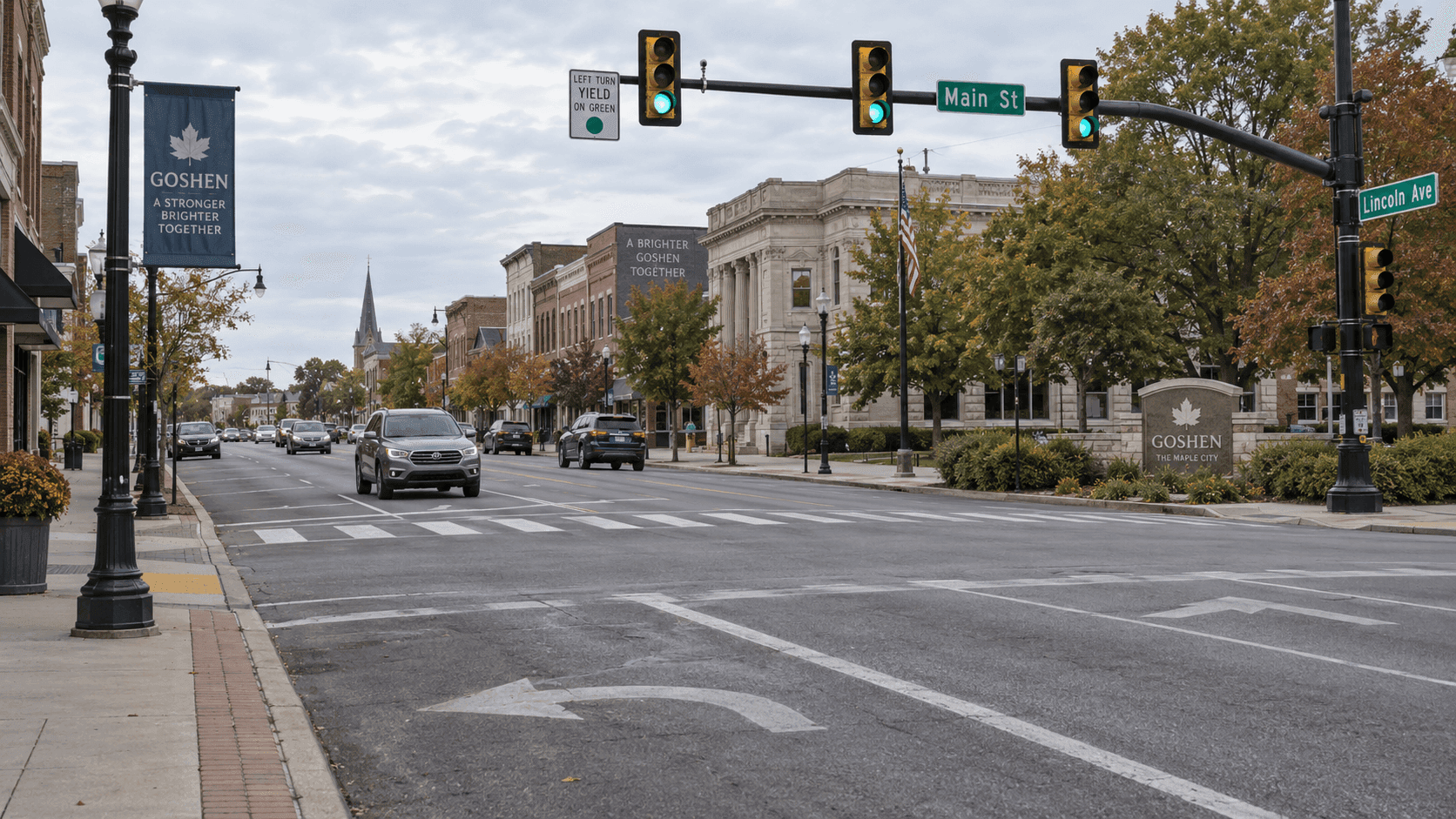
Left-turn intersection crashes are some of the most disputed car accident cases in Fort Wayne because the turning driver often claims the oncoming driver was speeding, ran a light, or appeared from an obstructed view. Under Indiana's right-of-way rules, a driver turning left generally must yield to oncoming traffic that is close enough to create an immediate hazard. The legal fight usually turns on signal phase, turn-arrow timing, approach speed, visibility, and where the impact occurred.
These crashes frequently happen when a driver turns across oncoming traffic at a permissive green light, misjudges the distance of an approaching vehicle, turns after the protected arrow ends, or tries to beat traffic while exiting a parking lot or side street. We look for signal-controller data, turn-lane markings, vehicle-rest positions, debris fields, dash-cam footage, business cameras, witness vantage points, and Event Data Recorder information from both vehicles.
Before creating a separate left-turn accident page, this intersection page should answer the immediate question injured people have: who had the right-of-way, what proof still exists, and how quickly that proof can disappear.
Evidence we preserve in the first 48 hours
Intersection cases turn on a tight seventy-two-hour evidence window where camera footage and controller logs cycle and overwrite quickly. From day one we lock down:
- City of Fort Wayne or INDOT signal-timing and phase logs for the specific controller, plus malfunction and maintenance history for the days before the crash.
- Traffic-camera, red-light-camera, business-surveillance, and ring-camera footage from every angle on the intersection — preservation letters out within seventy-two hours.
- Event Data Recorder downloads from both vehicles, capturing pre-impact speed, throttle, braking, and steering through the intersection approach.
- Witness statements and scene diagrams taken within days, including any pedestrians and other waiting motorists who saw the signal phase from a fixed vantage.
- Scene photographs of stop signs, yield signs, signal heads, sight-line foliage, and any temporary construction signage in place at the time of the crash.

Damages categories in an Indiana intersection crash case
Intersection damages divide into economic and non-economic categories with high severity. Economic damages cover trauma surgery, orthopedic reconstruction, traumatic-brain-injury rehabilitation, ICU stays, durable medical equipment, lost wages, future earning-capacity loss for permanently impaired survivors, and ongoing pain-management and outpatient therapy throughout recovery. INDOT crash-data analysis at the Indiana Department of Transportation[4] portal documents the injury-severity rates that frame the life-care plan. Non-economic damages cover pain, disfigurement, and loss of enjoyment, and wrongful-death recovery under IC 34-23-1[5] applies in every fatal intersection crash.

What our intersection crash clients ask most
How much is a Fort Wayne intersection crash case worth?
Intersection-crash value tracks injury severity, right-of-way clarity, and available coverage. A clean signal-violation case with documented serious injury, EDR-confirmed approach speed, and full coverage layers regularly supports a mid-six- to seven-figure recovery. Cases involving traumatic brain injury, pelvic fractures, or fatalities frequently move into the seven- and eight-figure range with proper case-building.
How fast do I have to act to preserve intersection evidence?
Traffic-camera, business-surveillance, and ring-camera footage are typically overwritten within seventy-two hours on a rolling cycle. Signal-controller logs may roll within fourteen to thirty days. A written preservation letter and immediate scene documentation within forty-eight hours of the crash is the single most consequential action in any intersection case.
What if there is no traffic camera at the intersection?
Most Allen County intersections lack a city-operated traffic camera, but business surveillance, ring cameras at nearby homes, dash-cams from other corridor drivers, and signal-controller data routinely fill the gap. A door-to-door canvass within seventy-two hours surfaces footage that would otherwise be lost. Cell-phone records, witness statements, and reconstruction also build the case.
How long do I have to file an intersection-crash lawsuit?
Indiana's general two-year personal-injury statute at IC 34-11-2-4[2] runs from the crash date. Government-vehicle defendants trigger Indiana Tort Claims Act notice as short as 180 days under IC 34-13-3-8[6]. Claims against the city for signal malfunction or against INDOT for state-road signage trigger ICTA notice as well. Early investigation is the difference between a viable case and a barred case.
Can the city be liable for a malfunctioning traffic signal?
Yes, when the City of Fort Wayne or INDOT had actual or constructive notice of a signal malfunction — conflicting greens, dark signal head, or improper phase timing — and failed to repair it within a reasonable time. Maintenance logs and prior citizen-complaint records establish notice. Indiana Tort Claims Act notice under IC 34-13-3-8[6] must be served within 180 days.

What happens after you hire us
From the day we open the intersection file we serve preservation letters on the city, INDOT, every business with a sight-line to the intersection, and any homeowner with a ring camera in the corridor. We subpoena signal-timing records, retain a reconstructionist, and pull EDR data from both vehicles. We coordinate medical care, build a life-care plan when injuries warrant, and demand at maximum medical improvement. If carriers fall short, suit is filed in Allen Superior Court. Contingency-fee — no fee unless we recover.