

DELVENTHAL LAW
FAILURE TO YIELD DRIVING ACCIDENTS
Drivers who fail to yield cause many of the accidents on Indiana’s roads. These drivers not only endanger other vehicles but also themselves.
If you have been struck by a driver who failed to yield, you should know that you might receive compensation in a settlement. Indiana law requires that drivers follow the rules of the road, and failing to yield is a pretty clear violation. Meet with a Fort Wayne failure to yield driving accident attorney at Delventhal Law Office to discuss your case today.
WHAT DOES IT MEAN TO FAIL TO YIELD?
If every motorist or pedestrian did what they wanted to do, no one would ever get anywhere. The reason we have a functioning road system is that there are rules for who should yield to who. For example:
- If you are in an intersection prepared to make a left-hand turn, you must yield to oncoming traffic.
- If you are a motorist prepared to make a right-hand turn, you must yield to pedestrians in the crosswalk.
- If you are trying to merge with traffic, you must wait until there is sufficient room.
Imagine if people did not follow these rules. There would be endless accidents on the road and traffic would come to a standstill. If everyone yields when they are supposed to, by contrast, we can all get to our destinations in one piece.
WHY DO SOME FAIL TO YIELD?
There are many reasons that motorists don’t follow the rules of the road[1], such as:
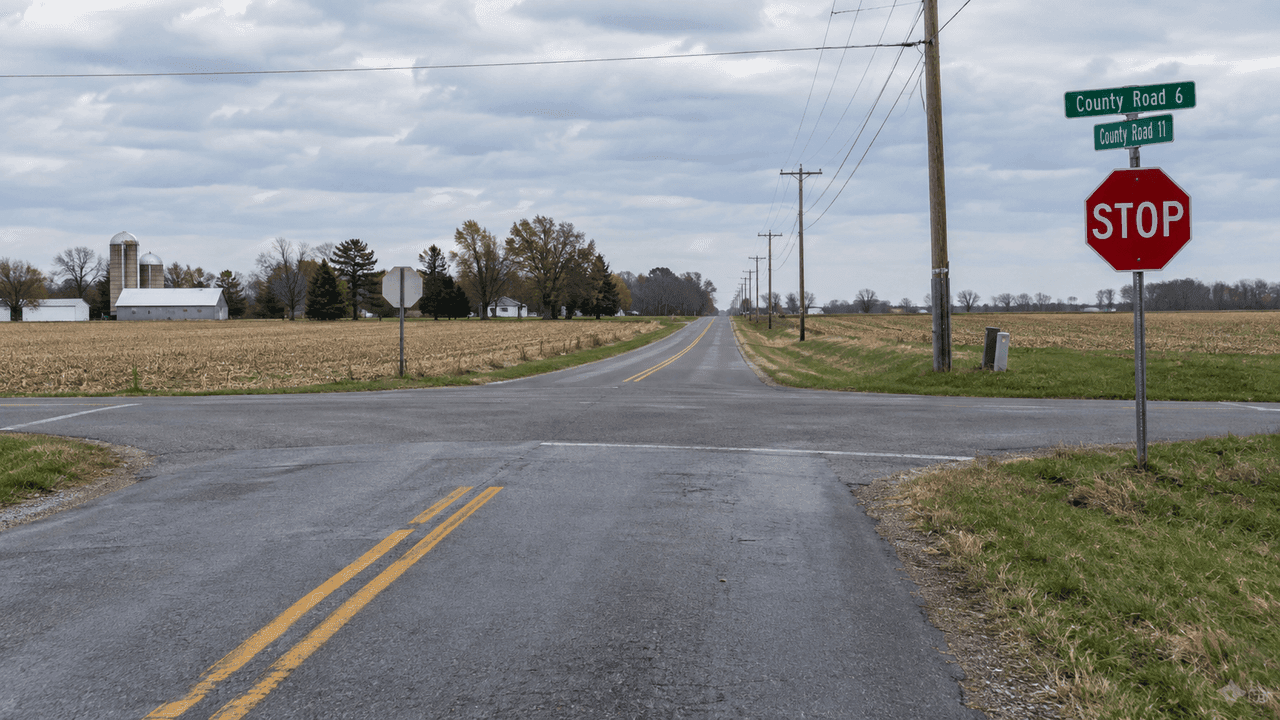
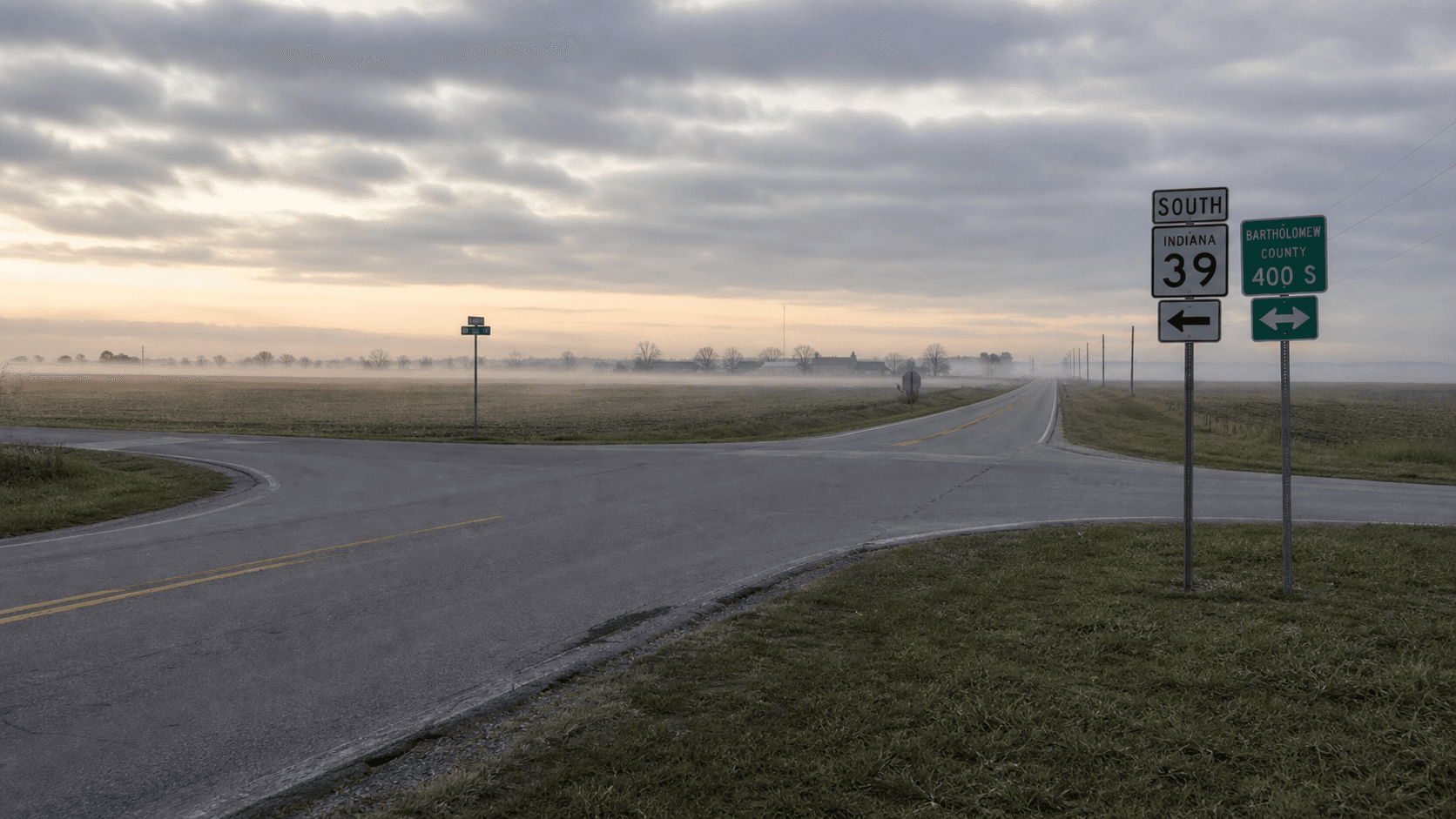
- Some motorists might be unaware of the rules. If two vehicles stop at a rural intersection, do you know which vehicle should yield?
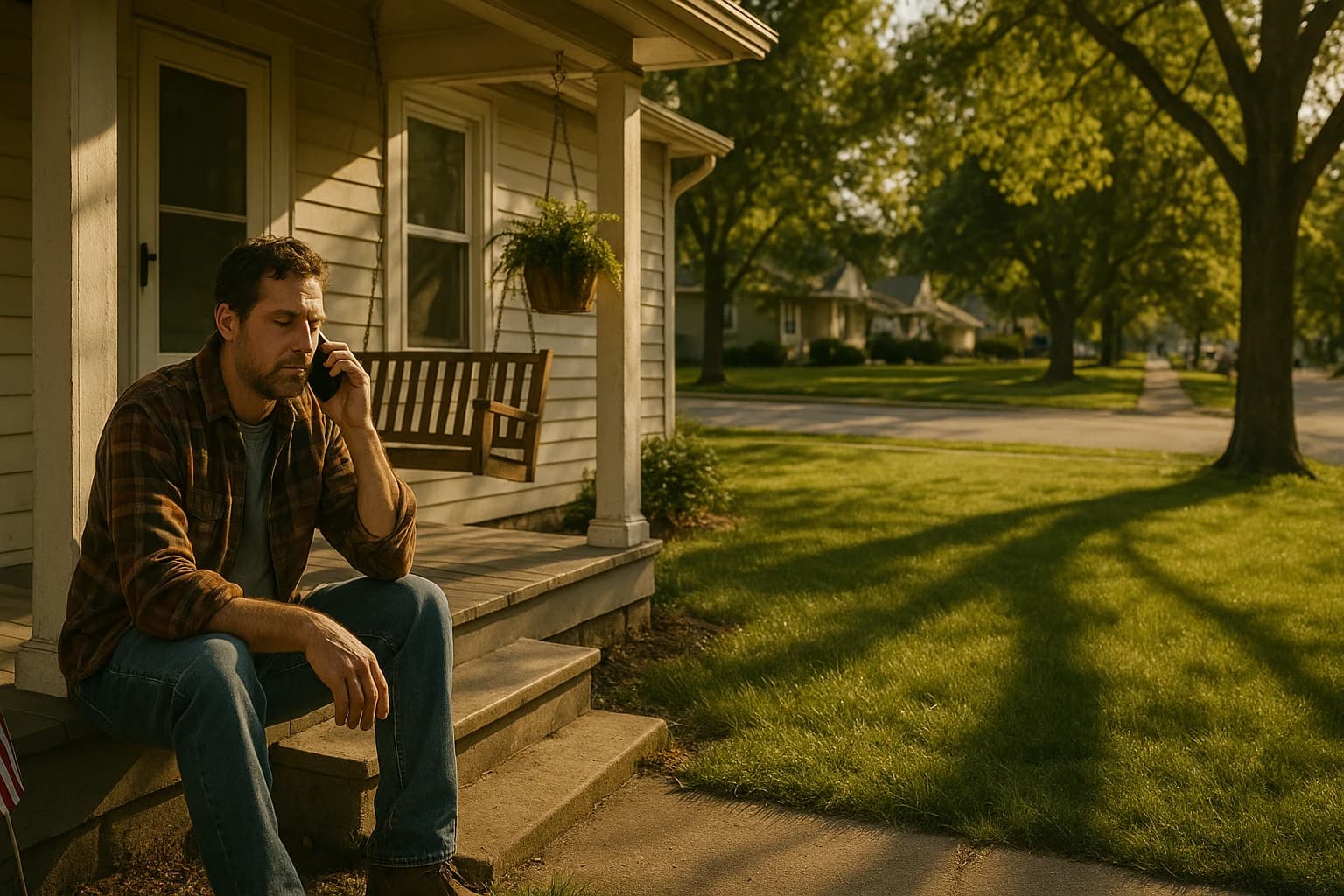
- Some motorists are distracted reading a text message or talking on a telephone and therefore fail to yield.
- Some motorists are intoxicated or high and engage in risky behavior.
- Other drivers are in a rush and will try to sneak through an intersection or turn quickly when they shouldn’t because they are running behind schedule.
Whatever the reason, a driver who fails to yield is behaving irresponsibly on the road and needs to be held accountable when they cause injuries.
WHAT SHOULD YOU DO AFTER A FAILURE TO YIELD ACCIDENT IN FORT WAYNE?
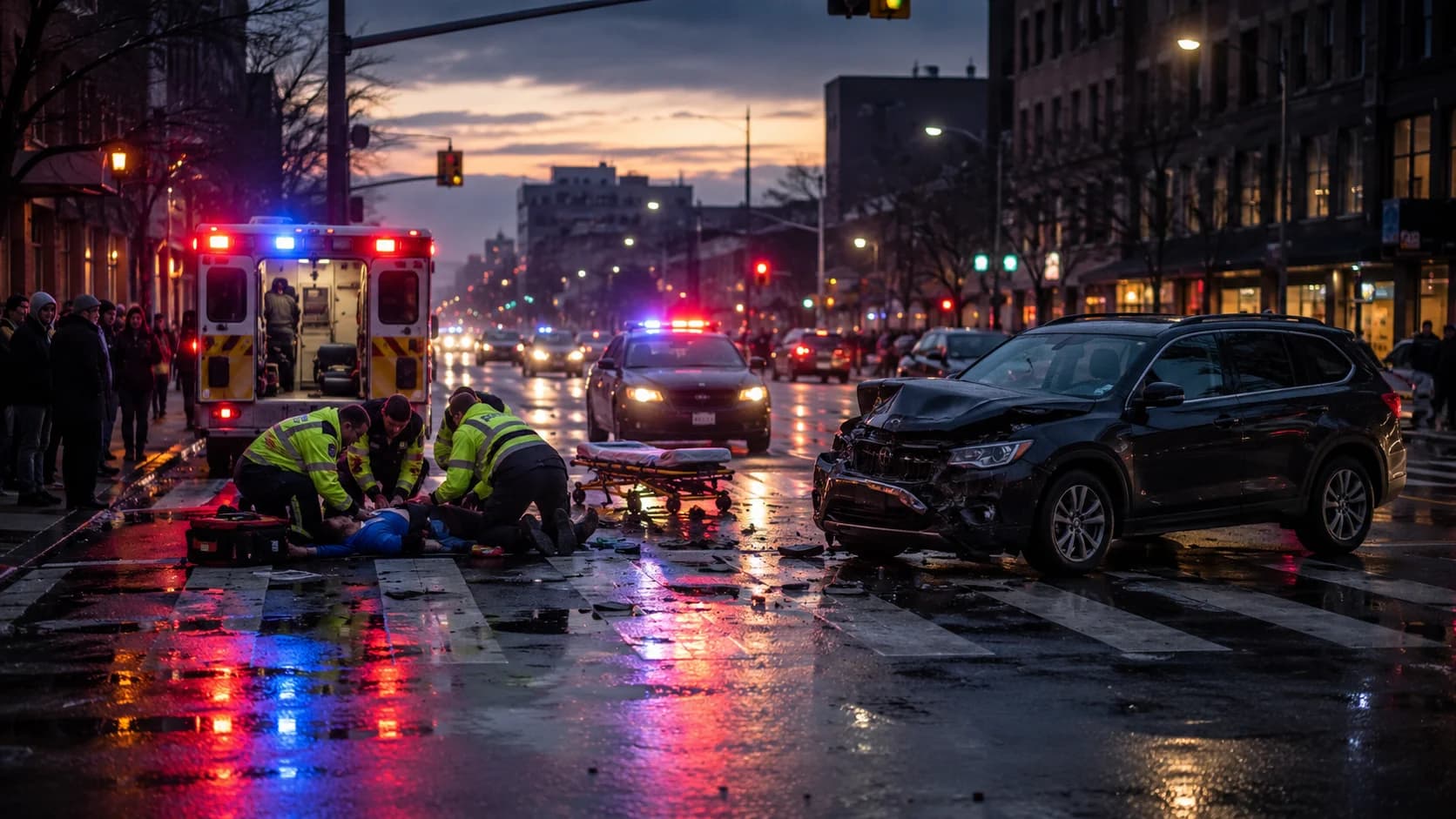
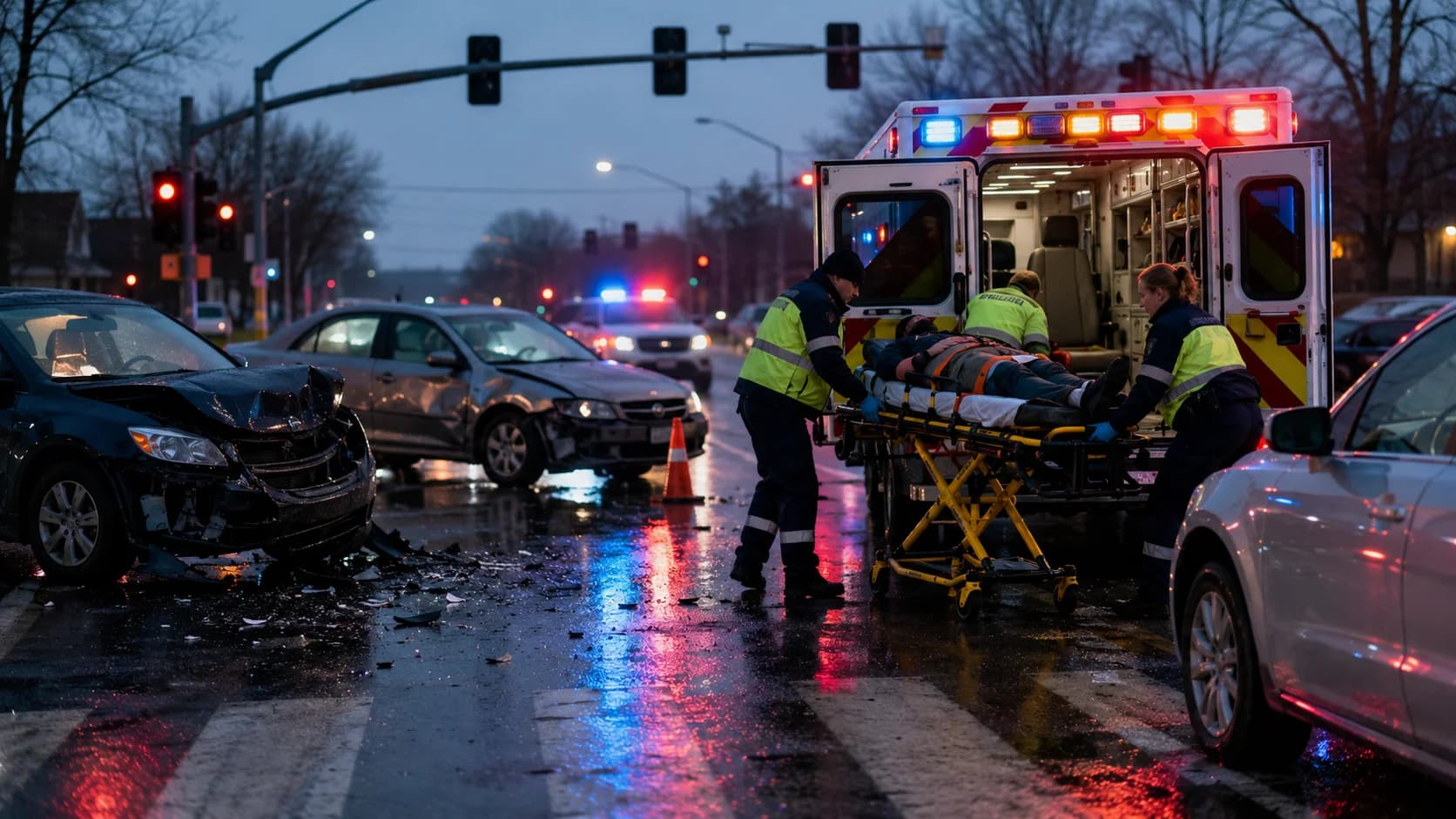
Your first step is to get medical attention for anyone who needs it. Some failure to yield accidents are quite horrifying, especially if a driver sped through an intersection and slammed into pedestrians. Call 9-1-1 to get an ambulance to the scene of the accident if anyone needs it.
As an injured victim, you also need to begin gathering evidence for your case. There is no time like immediately after the accident to begin gathering helpful evidence that will show who is at fault. Try to do the following:
- Call the police. An officer should arrive to write a police report. Get a copy before you leave.
- Take pictures of all vehicles involved in the accident. Make sure your pictures show where the vehicles hit each other or where they hit pedestrians. If possible, try to take pictures of where the vehicles ended up immediately after the accident.
- Find witnesses and ask for their names and phone numbers. You might need to take a statement from them.
- Write down your own memories of what happened. When did you first see the vehicle that failed to yield? What did you do (tap your horn, hit the brakes, etc.)?
- Exchange insurance information with all drivers involved. You will need this information so you can submit a claim.
Also remember not to discuss who is responsible for the accident. You don’t want to say something you regret later, and rest assured that anything you say could come back to be used against you. For example, some of our clients have apologized after an accident, which is a good human instinct, only to see those apologies be introduced as evidence that our client was at fault.
CONTACT A FORT WAYNE FAILURE TO YIELD DRIVING ACCIDENT ATTORNEY FOR HELP FILING A CLAIM
This is the final step to take to receive compensation from the accident. A seasoned attorney will know how to build an effective case for compensation and approach an insurance adjuster to negotiate a favorable settlement.
Don’t go through the insurance claims process alone. Many people make simple errors that would be easily avoidable if only they had competent legal advice from the start of their case. We have seen some injured victims wait too long to request compensation and lose out on receiving anything.
Contact Delventhal Law Office today, (260) 484-6655, to schedule a free case evaluation. One of our Fort Wayne failure to yield driving accident lawyers will be happy to meet with you.
The Indiana law that applies to your failure-to-yield crash case
Indiana's two-year personal-injury statute at IC 34-11-2-4[2] governs Fort Wayne failure-to-yield crash claims, and the 51% modified comparative-fault rule at IC 34-51-2-6[3] controls allocation. Indiana Title 9 sets the right-of-way framework — stop-sign duties under IC 9-21-8-32[4], yield-sign duties under IC 9-21-8-33[5], left-turn yielding under IC 9-21-8-30[6], and merge yielding under IC 9-21-8-23[7]. Failure-to-yield citations are common in Allen County intersection crashes, and the citation provides strong evidence in the parallel civil case.

How insurance carriers fight Fort Wayne failure-to-yield crash claims
Failure-to-yield carriers in Allen and surrounding counties run a coordinated right-of-way reattribution defense across four primary lines of attack at trial. First is the favored-driver-speeding argument — the at-fault driver claims the plaintiff was speeding through the intersection, attempting to forfeit the right-of-way protection under Indiana law. Second is the obstructed-view argument, blaming foliage, signage, or parked vehicles for hiding the approaching favored driver from clear view. Third is the misjudgment argument, recasting deliberate failure to yield as a reasonable misestimate of the favored driver's closing distance. Fourth is the comparative-fault attack standard to every contested intersection case in Indiana courts. We counter with EDR speed data, signal-timing records, witness statements, scene sight-line analysis, and Indiana State Police investigation files at the Indiana State Police[8] records portal.
Left-turn failure-to-yield accidents
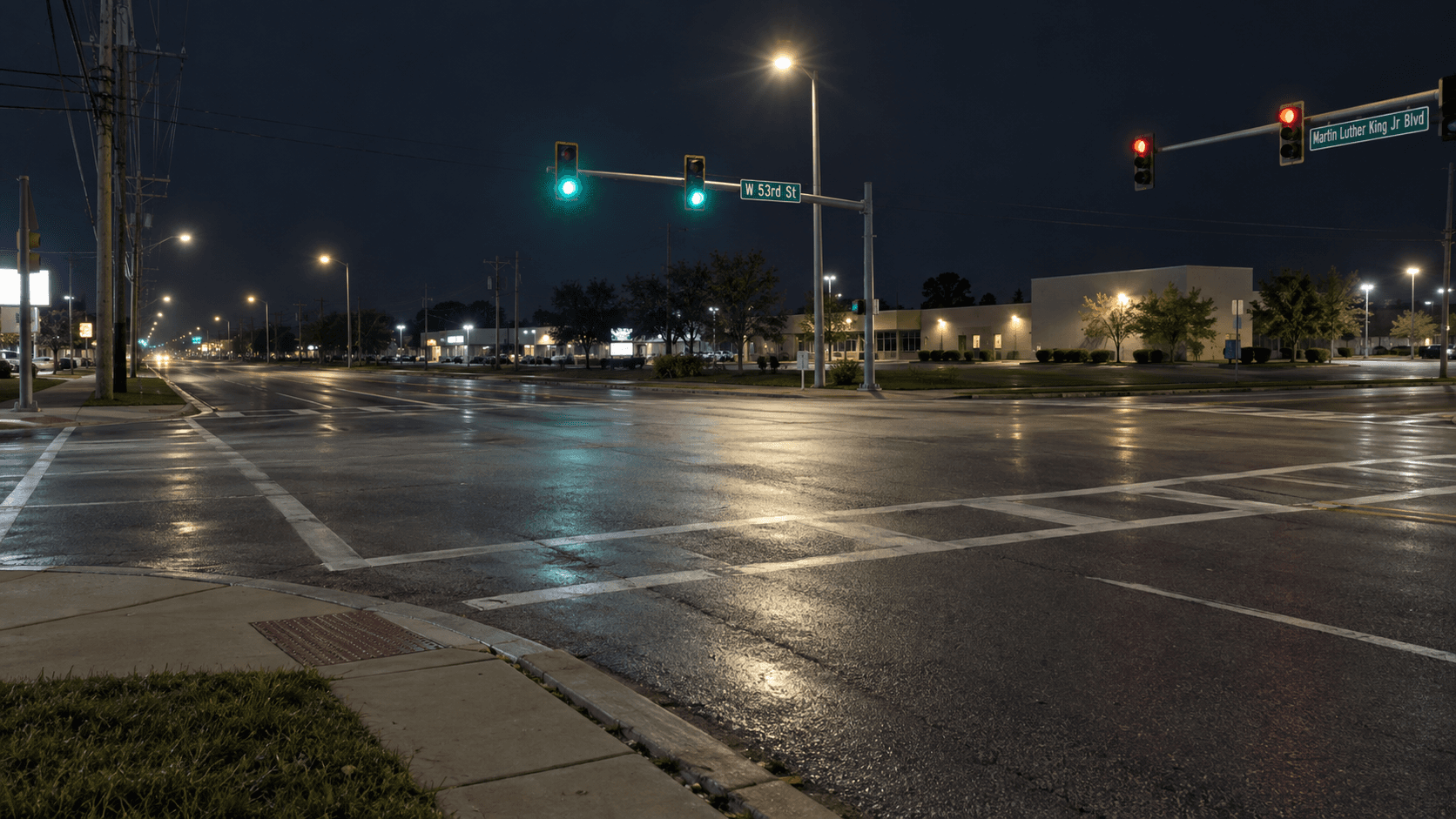
Many failure-to-yield crashes happen when a driver turns left across oncoming traffic. The turning driver may say the other vehicle was speeding, the light changed, glare blocked the view, or traffic made it impossible to judge distance. Those excuses do not automatically defeat the claim. A driver making a left turn generally has to yield to oncoming traffic that is close enough to be an immediate hazard, and the duty to yield includes the duty to look carefully before crossing the lane.
Left-turn failure-to-yield cases are built with more than the police report. We examine the exact turn path, impact angle, vehicle damage, skid or yaw marks, debris location, traffic-light phase, protected-arrow timing, oncoming speed, sight lines, and any video from nearby businesses, homes, dash cameras, or traffic systems. If the at-fault driver received a failure-to-yield citation, we use that citation together with the physical evidence to counter the insurance company's comparative-fault arguments.
These cases can produce severe T-bone and offset-frontal injuries because the oncoming vehicle has little time to avoid impact. Early investigation matters because the video and signal data that prove the left-turn violation may be overwritten quickly.
Evidence we preserve in the first 48 hours
Failure-to-yield cases turn on right-of-way proof, approach-speed documentation, and sight-line analysis at the intersection. From day one we lock down:
- Event Data Recorder downloads from both vehicles capturing approach speeds, throttle inputs, and brake applications through the final five seconds before impact.
- Traffic-camera, business-surveillance, ring-camera, and dash-cam footage from corridor drivers, secured within seventy-two hours before rolling overwrite cycles erase them.
- Scene photographs of stop signs, yield signs, signal heads, sight-line foliage, and any temporary signage in place at the time of the crash.
- Witness statements and 911-call audio from drivers and pedestrians who saw the approach, taken within days before memories blur.
- Indiana State Police or FWPD investigation report, the failure-to-yield citation, and the at-fault driver's prior traffic-violation history.

Damages categories in an Indiana failure-to-yield crash case
Failure-to-yield damages divide into economic and non-economic categories. Economic damages cover trauma surgery, orthopedic reconstruction, traumatic-brain-injury rehabilitation, ICU stays, lost wages, and lost future earning capacity. Intersection crashes from failed yields frequently produce the same severity profile as classic T-bone collisions because the impacted vehicle has minimal side-impact protection. Non-economic damages cover pain, disfigurement, and loss of enjoyment, and wrongful-death recovery under IC 34-23-1[9] applies in fatal cases. INDOT crash-data analysis at Indiana Department of Transportation[10] documents the elevated injury rates in failed-yield intersections.

What our failure-to-yield crash clients ask most
How much is a Fort Wayne failure-to-yield crash case worth?
Case value tracks injury severity, right-of-way clarity, and available coverage. A clean failure-to-yield case with a citation, EDR-confirmed approach speeds, documented serious injury, and full coverage layers regularly supports a mid-six- to seven-figure recovery. Cases involving traumatic brain injury, pelvic fractures, or fatality frequently move higher with proper case-building and reconstruction support.
Does the failure-to-yield citation prove negligence?
A failure-to-yield citation is strong evidence of negligence per se under Indiana law when the underlying Title 9 statute was designed to protect the favored driver from this exact harm. A conviction or plea is even stronger. The citation does not foreclose the comparative-fault analysis, but it shifts the burden meaningfully and shapes the carrier's settlement posture.
What if the at-fault driver says they could not see me coming?
Obstructed-view defenses fail when scene photographs, sight-line analysis, and corridor video establish that a reasonable driver in the at-fault position could and should have seen the approaching favored vehicle. The duty to yield includes the duty to look, and Indiana law does not excuse failure to perceive what should have been perceived from a stopped or yielding position.
Will my speed at the intersection reduce my recovery?
Modest speeding by the favored driver — five to ten miles over the posted limit — typically results in a small comparative-fault allocation that does not approach Indiana's 51% bar. Substantial speeding can reduce or bar recovery. EDR data establishes the actual approach speed, and a credentialed reconstructionist quantifies the comparative-fault analysis defensively.
How long do I have to file a failure-to-yield claim in Indiana?
Indiana's general two-year personal-injury statute at IC 34-11-2-4[2] runs from the crash date. Traffic-camera and surveillance footage is typically overwritten within seventy-two hours, so preservation letters within the first week are critical. Wrongful-death claims under IC 34-23-1[9] carry their own two-year clock from death. Early investigation is essential.

What happens after you hire us
From the day we open the failure-to-yield file we pull the criminal-citation record, secure corridor video under preservation letter, and dispatch a reconstructionist to both vehicles for EDR retrieval. We coordinate medical care, document sight-line and signage evidence, and pursue every available coverage layer. A demand goes out at maximum medical improvement. If the carrier falls short of documented damages, suit is filed in Allen Superior Court. Contingency-fee — no fee unless we recover.