



DELVENTHAL LAW
INJURY OR WRONGFUL DEATH OF A CHILD
Suffering injuries due to someone else’s negligence is bad enough. When it happens to your children, it’s a hundred times worse. It’s important to understand that your child has the same rights that you do to recover damages in a personal injury lawsuit. Further, you, as their parent, have the right to recover damages for your losses. Ultimately, if your child has suffered injuries due to someone else’s negligence, it is imperative that you reach out to a dedicated child injury attorney in Fort Wayne, IN for immediate help.
CHILDREN’S RIGHTS TO COMPENSATION IN INDIANA

Do not wait for a child to turn 18 before asking about an injury claim. The child’s age, the type of claim, and the defendant can affect deadlines and the procedure for bringing a case. Have an attorney check the applicable deadlines promptly, particularly if a school, government entity, or medical provider is involved.
Ask counsel who should act for the child and whether an existing guardianship affects the case. A representative’s authority to negotiate, a court’s approval of a proposed compromise, and the handling of money are separate questions.
A dollar amount alone does not answer whether a child’s disputed claim needs court review. Under Indiana Code § 29-3-9-7(b)–(c) (2026)[1], when no guardian for the minor and the minor’s property has been appointed, a parent—or another person with care and custody with whom the minor resides—may petition to compromise the minor’s disputed claim. The court must hold a hearing before approving that petition. It may appoint a guardian ad litem, attorney, or other representative for the child’s best interest. After approval, the statute identifies payment routes, including a protective order; if the specified alternatives do not apply, the court must require a guardian and direct delivery to that guardian.
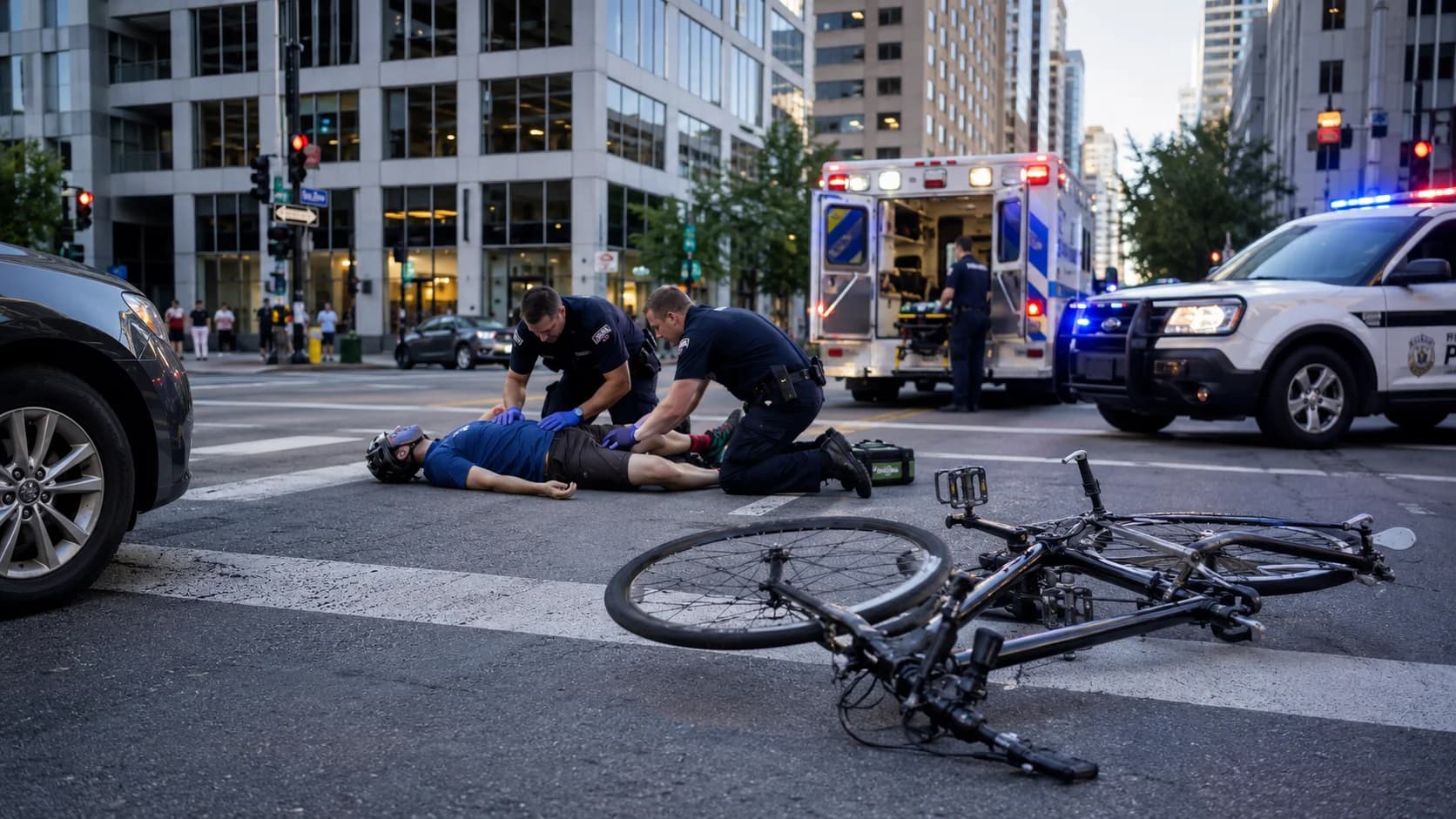
What should parents do after a child is injured in a crash?
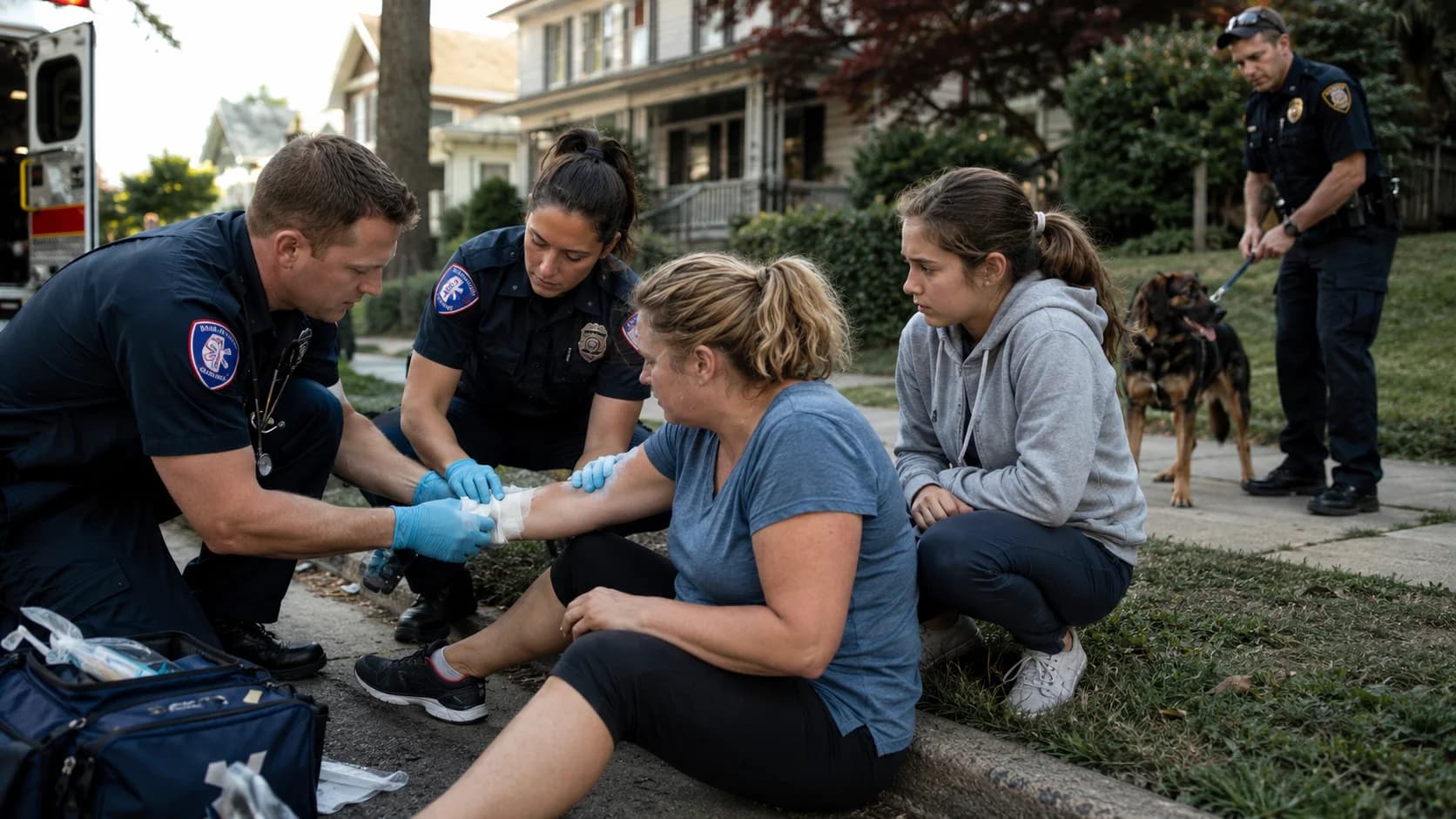
Start with the child’s medical needs and follow the treating clinician’s instructions. As practical preparation for a legal consultation, keep the discharge papers, follow-up appointments, school absence records, and dated observations of changes in daily activities together. Record observations without asking a child to guess about fault or repeatedly rehearse the event.
- Save the responding agency’s name and report number. Our Indiana crash-report guide explains how to request a copy.
- Keep original photographs, witness contact information, and any messages about the crash.
- Identify nearby cameras promptly; our crash-video guide explains why a recording may not exist and what information to preserve.
- Keep proposed releases and insurance correspondence for review before signing. Ask who would receive, hold, and control any proposed settlement funds.
COMMON CASES INVOLVING CHILDREN
Children are often injured in car accidents, playing at school, during sporting events, and due to dangerous conditions on another’s property. Sometimes, they are also injured by doctors during medical procedures. In each case, the child is entitled to much of the same compensation that an adult would be entitled to. They can recover damages for pain and suffering, permanent impairment, or disfigurement.
The question, however, is how did the injury happen? In certain cases, when an adult can be held to blame for the child’s injuries the case can be fairly easy to make. In other instances, another child injures your child. In that case, the court must decide the extent to which the at-fault child understood the consequences of his actions. Ultimately, the parents are liable for the wrongdoing of their children.
HOW PARENTS CAN RECOVER DAMAGES WHEN THEIR CHILDREN ARE INJURED

Generally speaking, when a child is injured, it’s their parents who end up paying the co-pays and taking their children to see various doctors. When the injuries are severe this can take up a lot of time and money. One parent may be required to quit a job in order to care for the child full-time. If that’s the case, then the parent can and should be compensated for their lost wages.
The parent may also be required to pay for full-time care for their child. If the child requires perpetual medical care because of their injuries, then the parents are entitled to be compensated for that.
Attractive Nuisance Lawsuits
One of the most common personal injury lawsuits involving children is known as “attractive nuisance” lawsuits. What is that? Well, an attractive nuisance, roughly defined, is any object, structure, or condition that is irresistibly attractive to children and simultaneously dangerous. These laws are on the books because children have a propensity to drawn to dangerous places that they think are fun.
For instance, swimming pools in backyards. They’re very attractive and very dangerous to children. Property owners have a responsibility to ensure that young children don’t wander off and end up in a pool. When they do, the property owner can be held responsible.
PROVING ATTRACTIVE NUISANCE LAWSUITS
In order to prove an attractive nuisance lawsuit, the plaintiff must show that:
- The property owner knows or should know about the attractive nuisance
- The attractive nuisance can potentially cause death or serious bodily injury
- The children are too young to understand the danger of the attractive nuisance
- The cost of securing or removing the attractive nuisance is not excessive
- The property owner fails to take reasonable measures to secure or remove the nuisance
When those elements are all present, the plaintiff has satisfied all the criteria for an attractive nuisance claim.
Contact a Child Injury Attorney Today

If your child has been injured by another’s negligence, you can recover damages both for your own expenses and your child’s suffering. The Delventhal Law Office can help your family aggressively pursue a claim against a negligent party. Give us a call or contact us online for a free case evaluation.
The Indiana law that applies to your child accident case
For a proposed compromise of a protected person’s claim, IC 29-3-9-7(a)[1] permits a court order on the guardian’s petition if the court is satisfied the compromise is in that person’s best interest. Subsections (b) and (c) separately address disputed claims of minors without an appointed guardian and payment after approval. These provisions should not be reduced to an automatic “over $10,000” approval rule. The Indiana judiciary’s summary of the 2026 amendments[2] identifies July 1, 2026 as their effective date.
How insurance carriers fight Fort Wayne child accident claims
Insurance carriers in child-injury claims attack on three predictable fronts. First, they argue parental supervision — that the parent's failure to supervise was the proximate cause, not the defendant's conduct. Indiana does not allow parental immunity in most negligence contexts, but the supervision argument still surfaces. Second, they push the open-and-obvious doctrine, arguing the playground hazard, pool, dog, or product danger was apparent. Third, they argue the child contributed to the injury, even though young children are presumed incapable of contributory negligence. We counter with developmental-psychology expert testimony on the age-appropriate capacity standard, scene preservation, product-recall histories from the U.S. Consumer Product Safety Commission[3], and pediatric-injury research that defeats the supervision-blame defense.

Evidence we preserve in the first 48 hours
Child-injury cases require rapid scene preservation and careful coordination with pediatric specialists who can document the developmental and long-term impact.
- Photographs of the scene, hazard, or product taken before cleanup or repair, including any age-inappropriate warning labels or missing safety features.
- Witness statements from teachers, daycare staff, coaches, or other supervising adults present at the time of injury, taken within days of the incident.
- Complete pediatric medical records — emergency department, hospital admission, surgical operative notes, and all follow-up specialty care.
- School and developmental records documenting the child's pre-injury baseline academic performance, behavior, and any specialist evaluations.
- Product recall histories and prior-incident data when a defective toy, crib, car seat, ATV, or other consumer product is involved in the injury.
Damages categories in an Indiana child accident case
Keep records of medical treatment, recommended future care, school effects, activity limitations, and changes in the child’s daily life. These are subjects for a case-specific damages review, not a promise that every expense or category will be recoverable. The proposed arrangement for holding settlement funds is a separate issue from documenting the injury.

Frequently Asked Questions
How long does my child have to file a personal-injury claim in Indiana?
Indiana tolls the two-year personal-injury statute of limitations during minority under IC 34-11-6-1[4]. The clock generally does not begin running until the child turns 18, meaning suit can be filed until the 20th birthday in most cases. Medical-malpractice claims have a compressed rule, and Tort Claims Act notice deadlines against government defendants are not fully tolled, so early evaluation matters.
Can my child be found partly at fault for the injury?
Indiana courts presume children under age seven incapable of contributory negligence as a matter of law. Children between seven and 14 are presumed incapable but the presumption is rebuttable. Children 14 and older are evaluated under the age-appropriate care standard. Comparative fault analysis takes the child's developmental capacity into account, not an adult reasonableness standard.
Does a settlement of my child's claim require court approval?
For a disputed claim where no guardian for the minor and the minor’s property has been appointed, IC 29-3-9-7(b)[1] provides a petition procedure and requires a hearing before the court approves the compromise. Ask counsel to identify the correct procedure and any local court requirements before accepting or signing settlement documents. Do not treat a small proposed payment as proof that court review is unnecessary.
Does the $25,000 payment provision eliminate settlement review?
No automatic conclusion should be drawn from that amount. IC 29-3-3-1 (2026)[5] allows qualifying debt payments or delivery of a minor’s property up to $25,000 to specified recipients without appointment of a guardian, bond, or another court order. It does not apply if the payer knows a guardian has been appointed or appointment proceedings are pending; recipients must use the property for the minor’s support, use, and benefit. That payment provision is separate from the disputed-claim petition and hearing procedure in IC 29-3-9-7[6]. Ask counsel how both provisions apply.
What is a structured settlement and is it required?
A structured settlement provides for payments over time instead of paying the entire amount immediately. Ask about the actual payment schedule, access restrictions, fees, and any benefits or tax issues before selecting an arrangement. IC 29-3-9-7(c)[1] identifies several ways a court may direct payment after approval; it does not require every child’s settlement to purchase an annuity. The order and applicable law control how the funds are held and used.
Can I sue my child's school or daycare for an injury?
School and daycare liability arises when supervisory negligence contributed to the injury. Public schools and government-operated daycares trigger Indiana Tort Claims Act notice deadlines as short as 180 days under IC 34-13-3-8[7], with a damages cap under IC 34-13-3-4[8]. Private daycares face standard negligence rules and carry general-liability insurance, with supervision-ratio and protocol records as central evidence.
What happens after you hire us
We review how the injury happened, identify records and deadlines, and discuss which investigation and expert work the case needs. If a settlement is proposed, we address the applicable petition, hearing, and fund-handling requirements before completing it. We do not assume that every child’s case needs the same experts, payment arrangement, or court filing. Contact us to discuss the circumstances and the representation terms.

Child hurt on or near a school bus? See our Fort Wayne bus accident attorney page for school bus, route, video, and notice-deadline issues.
Sources
- Indiana Code § 29-3-9-7(b)–(c) (2026) (iga.in.gov) ↩
- Indiana judiciary’s summary of the 2026 amendments (legislativeupdate.courts.in.gov) ↩
- U.S. Consumer Product Safety Commission (cpsc.gov) ↩
- IC 34-11-6-1 (iga.in.gov) ↩
- IC 29-3-3-1 (2026) (iga.in.gov) ↩
- IC 29-3-9-7 (iga.in.gov) ↩
- IC 34-13-3-8 (iga.in.gov) ↩
- IC 34-13-3-4 (iga.in.gov) ↩