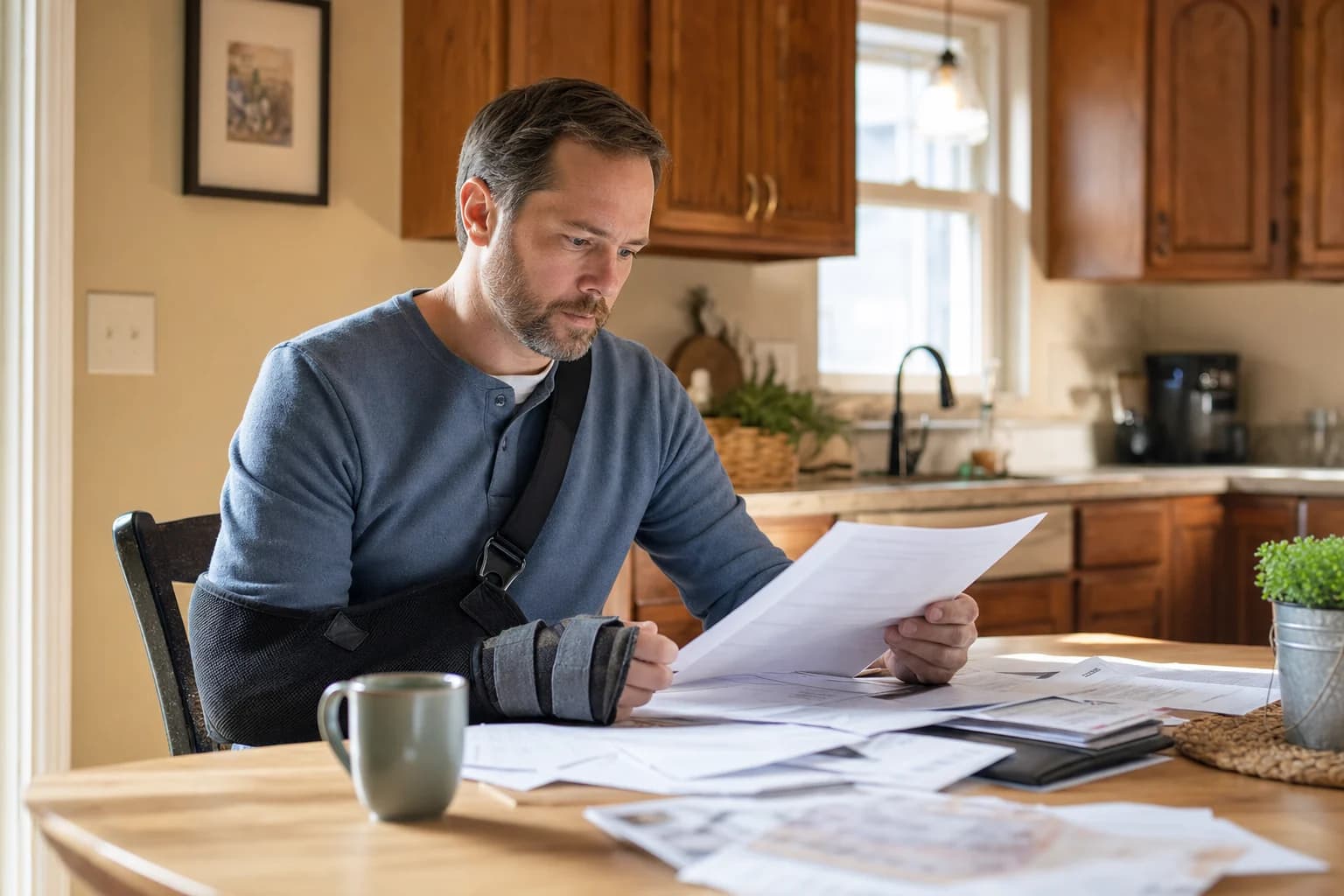
This article is about that voice. Where it comes from, why it is wrong in this specific situation, and how you can make a fair injury claim in Fort Wayne without becoming someone you are not. Spoiler: nobody is suing the lady. Her insurance company is the actual defendant. They have collected her premiums for years and contractually owe the money. You are not punishing anyone. You are collecting what was already set aside.
Where the "Sue-Happy" Guilt Actually Comes From

The hesitation is not random. It comes from a thirty-year insurance-industry campaign to make you feel that filing a claim is shameful. "Frivolous lawsuits." "Lawsuit lottery." "Tort reform." Every billboard about "runaway juries" was paid for by someone who profits when injured people stay quiet.
The numbers tell a different story. The most-cited "runaway verdict," the McDonald's hot coffee case, involved an 81-year-old woman with third-degree burns over six percent of her body, $11,000 in real medical costs, and a defendant that had previously settled over 700 similar burn cases without changing the temperature. The verdict was later reduced. The narrative survived.
Indiana is full of people who got hurt, did not file, and are still paying off the bills five years later. They are not heroes. They are the people the insurance system was designed to make money from.
You Are Not Suing the Person Who Hit You
Here is the part that almost nobody understands the first time it gets explained. In a Fort Wayne car accident claim, you are not suing the driver who hit you. Functionally and practically, you are dealing with their insurance company.
The way it works:
- You file a claim with the at-fault driver's auto liability carrier.
- That carrier (Geico, State Farm, Progressive, Liberty Mutual, whoever) assigns an adjuster.
- The adjuster investigates, evaluates damages, and either offers a settlement or denies the claim.
- If the claim resolves through settlement, the check comes from the insurance company. Not from the driver's personal bank account.
- If you have to file a lawsuit, the driver is technically named as the defendant, but the insurance company hires the defense lawyer, pays them, controls the strategy, and pays any verdict up to the policy limits.
The driver who hit you signed up for liability insurance precisely so that this situation would not destroy their life. Their premiums for the last ten years were the price of that protection. Your claim is not a personal attack. It is the contract being honored.
What an Injury Claim Actually Covers in Indiana

An Indiana personal injury claim is not a lottery ticket. It is a calculation. You are recovering specific categories of loss tied to documented harm. The categories are:
- Past medical expenses: ER bills, ambulance, imaging, physical therapy, surgery, prescriptions. Documented to the dollar.
- Future medical expenses: If your doctor projects ongoing care (PT, injections, surgery, future imaging), those costs are recoverable with expert support.
- Past lost wages: Time off work, documented by employer records and pay stubs.
- Future lost earning capacity: If your injury permanently limits what you can do for work, the present value of that loss is recoverable with vocational and economic expert testimony.
- Pain and suffering: Real but harder to put a number on. Calculated based on the severity and duration of injury, often using a multiplier of the medical specials.
- Loss of consortium: The spouse of an injured person can recover for the impact on the marital relationship.
- Property damage: Repair or replacement of your vehicle. Two-year statute of limitations under IC § 34-11-2-7[2].
What you do not recover, in Indiana, is punitive damages in most ordinary negligence cases. Punitives require a higher standard (willful or wanton misconduct) and are capped. The garden-variety crash claim is not a payday. It is reimbursement for actual losses.

The Real Cost of Staying Silent
If you decide not to file a claim, here is what happens. The bills do not disappear. They go to your health insurance first, which means deductibles and copays come out of your pocket. Hospitals send unpaid balances to collections. Your credit score drops. The wage loss is yours. The pain and the recovery limitations are yours.
Meanwhile, the at-fault driver's insurance company keeps the money it would have paid you. That is not a metaphor. The premium reserve allocated for liability claims that do not get filed becomes carrier profit. It does not go back to the driver. It does not go to charity. It stays.
This is the math the insurance industry would prefer you not run. Every Fort Wayne crash victim who decides to "be reasonable" and not file is, in effect, donating their losses to a Fortune 500 carrier. Multiply that by the thousands of Allen County crashes a year and you start to see why the carriers spend so much money on the cultural messaging that makes claimants feel ashamed.
What If the Driver Who Hit Me Is a Neighbor or Friend?
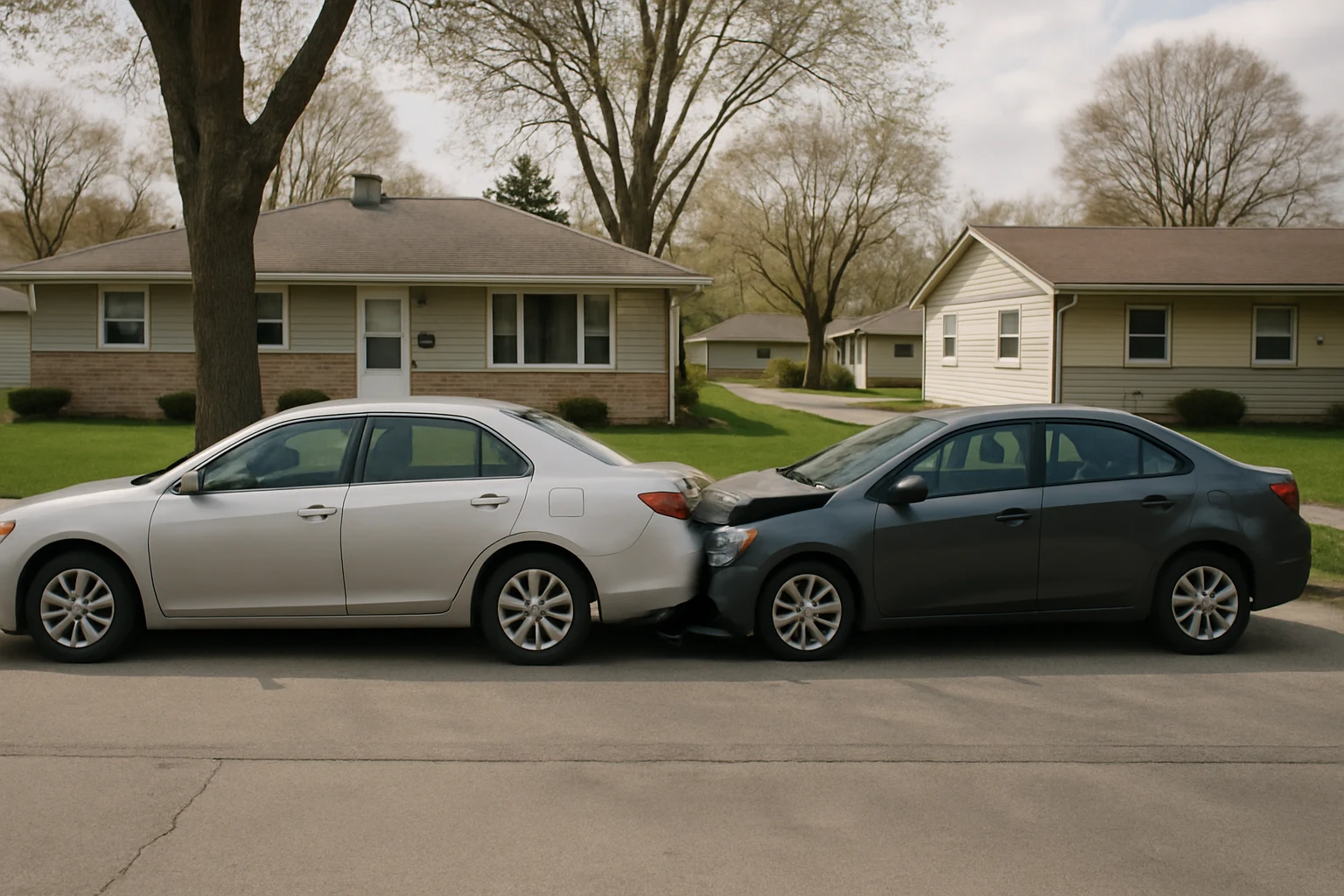
This is the situation that makes the guilt strongest. The driver is someone you know. A co-worker, a neighbor down the street, a parent from your kid's soccer team. You do not want to wreck a relationship over a fender-bender.
Two things to know. First, in most cases you never actually deal directly with the driver. Their insurance company handles the claim. The driver may not even know specifically how much money you are recovering or what is happening with the file unless you tell them.
Second, the alternative often damages the relationship more. If you absorb $40,000 in unpaid medical bills out of misplaced loyalty, the resentment that builds over five years of paying it off is real. The friend you protected by not filing may not even know what it cost you. That is a much heavier load than letting their insurance pay the legitimate claim.
A thoughtful conversation early helps. "I'm working with the insurance on the medical bills, not with you personally. It does not change anything between us." Most decent neighbors get it. The ones who do not were not the friends you thought they were.

The Two-Year Clock Does Not Care How You Feel
The Indiana statute of limitations for personal injury at IC § 34-11-2-4[1] is two years from the date of the injury. The clock runs whether or not you have decided how you feel about filing.
Common scenarios where the moral hesitation becomes a missed deadline:
- You spend the first six months hoping the injury heals on its own. It does not.
- You spend months eight through fourteen in physical therapy, putting off the lawyer call.
- Around month eighteen you realize the bills are not stopping. You finally call.
- The attorney has six months to investigate, demand, negotiate, and (if needed) file suit. Some cases work in that window. Many do not.
If a government employee or vehicle was involved (a Fort Wayne city worker, an Allen County deputy, an INDOT plow), the deadline gets much shorter. Tort Claims Act notices are due in 180 days for political subdivisions under IC § 34-13-3-8[3], or 270 days for the state under IC § 34-13-3-6[4]. Miss either notice and even a perfect case dies.
A Practical Framework for Deciding
Here is a simple decision framework that respects the moral hesitation without letting it cost you the case.
Step 1. Make a list of every documented loss: medical bills, projected future medical, wage loss, property damage, out-of-pocket expenses. Total it. If the number is small and the injury is healed, you may not need to do anything.
Step 2. Estimate the duration and severity of the impact on your daily life. Have you been unable to lift your kid for three months? Sleep through the night? Drive without pain? That is real. It is not invented.
Step 3. Get a free consultation with a Fort Wayne injury attorney. The consult is informational, not committal. The attorney can give you a realistic sense of the value of the claim and the likely process.
Step 4. Decide. With actual numbers and a realistic timeline in hand, the decision is no longer abstract guilt. It is concrete. You can choose to file or not file from a position of knowledge rather than fear.
This framework lets the moral question stay yours while keeping the legal facts on the table. You are not bullied into filing. You are not shamed out of filing. You decide.
How Delventhal Law Office Approaches the Reluctant Claimant

A good portion of the people who call Delventhal Law Office start the conversation with some version of "I really don't want to sue anyone." The conversation that follows is not a sales pitch. It is a calm walk through the actual facts.
Chad will tell you: who the real defendant is (usually an insurance company), what the documented losses are, what the realistic value range looks like, what the timeline is, and whether the claim is worth pursuing. If the case is small, he will say so. If the case should not be filed, he will say that too. Selling a case that should not be a case is not what the firm does.
The fee structure is contingency. No fee unless there is a recovery. The first consultation is free and there is no pressure to sign that day. You can think about it overnight, talk it over at home, and call back when you are ready.
The goal is not to win a fight. The goal is to make sure that the people who caused the harm (or more accurately, the insurance companies that contracted to cover that harm) bear the cost, not you. Indiana State Bar 2008. Indiana injury work since 2009. One direct line to your attorney.
FAQs About Filing a Fort Wayne Injury Claim Without Feeling Like a Villain
Am I suing the person who hit me personally?
Almost never in practical terms. The claim is filed against the at-fault driver's liability insurance company. The driver is technically named in any lawsuit, but the insurance company hires the lawyer, controls the defense, and pays any settlement or verdict up to the policy limits. Their personal assets are not at risk in a typical case.
What if my injuries seem minor compared to others?
Every injury has its own context. A back strain that prevents a construction worker from doing his job is a serious injury for him. The claim is about your specific losses, not a ranking against worse injuries. If the documented damages are small, the claim will be small. That is fine. The question is whether you are stuck paying for someone else's carelessness.
Will my insurance rates go up if I file a claim?
If you are the non-at-fault party, generally no. Carriers cannot use the not-at-fault claim against you in most situations. If you use your own underinsured motorist coverage because the at-fault driver had inadequate insurance, that is a separate question worth discussing with your carrier and counsel.
How long does an injury claim take in Fort Wayne?
It varies. A simple claim where the injury resolves in a few months can settle in six to twelve months. A serious case requiring surgery or long-term care can take eighteen months to two years (or longer if it has to be litigated). The two-year statute of limitations in IC § 34-11-2-4[1] is the outside deadline for filing suit.
What if I just want my medical bills covered?
That is a legitimate goal. A modest claim that covers documented medicals, deductibles, and some lost wages is straightforward in many cases. You do not have to maximize anything. You can ask for what you actually need.
Talk to Delventhal Law Office Without Pressure
If you have been hurt and you are still wrestling with whether to file a claim, the next step is information, not commitment. Call (260) 484-6655 or contact us online to schedule a free case evaluation.
The conversation is free, no obligation, and you talk directly to Chad. You can ask every question, including the ones that start with "I'm not sure I want to do this, but..." By the end of the call you will know what your options actually are. Then the decision is yours, on your terms.